

Ọrụ Hotline
Blọọgụ

Blọọgụ

Perspectives
Ime mgbanwe mgbanwe teknụzụ nke ụlọ ọrụ, mgbagha echiche, mgbanwe ozi, ajụjụ data, wdg, ejirila nwayọọ nwayọọ bụrụ otu n'ime ikpo okwu kachasị mkpa maka mmepe ahaziri ahazi na ụlọ ọrụ semiconductor. Ngwaahịa ndị na-azụ ahịa gụnyere MOS dị elu na obere voltaji, SCR, akwa rectifier, Schottky diode, ESD nchebe diode, TVS diode, diode ebumnuche izugbe na triode, njikwa ike ICs, ihe mmetụta Ụlọ Nzukọ, ngwa anya ngwa anya dị elu, wdg, nke a na-ahụkarị. etinyere na smart phones, laptọọpụ, robots nwere ọgụgụ isi, smart home ngwa, IoT na IoV, LED ọkụ, 3C dijitalụ ngwaahịa na ndị ọzọ. ubi. Slkor ga-ewepụta ngwaahịa dijitalụ na analọg IC ọzọ iji nyekwuo ndị ahịa ọrụ ọkachamara na nke zuru oke.
Nnyocha na Huaqiangbei "ekwentị Shanzhai" (akụkụ Ⅱ)
2026-05-18
494
— Song Shiqiang, SlkorDuring the development of Huaqiangbei, "Shanzhai phones" became a topic that could not be ignored. In 2007 alone, the shipment volume of Huaqiangbei Shanzhai phones reached 150 million units, accounting for one-sixth of the world’s total mobile phone production that year. The rise and fall of Shanzhai phones happened rapidly. It created many millionaires from the tiny "one-meter counters" in Huaqiangbei, but it also led to tragic stories, such as the bankruptcy and mental breakdown of "Prince of Shanzhai Phones," Chen Jinling.The Shanzhai phone phenomenon also had a positive side. It helped promote Huaqiangbei’s maker culture, turning Shenzhen into a "Silicon Valley of Hardware" and a "Paradise for Entrepreneurship." It also gave birth to local mobile phone brands such as Meizu, G5, Longcheer, and Transsion. In many ways, it became the foundation of the "Huaqiangbei maker spirit" and the "Shenzhen entrepreneurial spirit."However, the Shanzhai phone industry was also in conflict with the government’s push for intellectual property protection, patent awareness, and brand development at that time. As a result, it stood at the crossroads of market growth, technological innovation, government regulation, economic development, business ethics, and legal construction. Conflicts and failures became almost unavoidable, which is why official media and many economists rarely discussed Huaqiangbei’s Shanzhai phone.Authoritative media and professional institutions, including Harvard Business Review, have studied the cases of MediaTek and the white box handset market using various business analysis models. These include SWOT analysis, Porter’s Five Forces, PESTEL analysis, VRIO analysis, value chain analysis, BCG matrix analysis, Ansoff matrix analysis, and marketing mix analysis.As a long-time witness to Huaqiangbei, I, Song Shiqiang from Kinghelm and Slkor, aim to objectively and truthfully record what I saw and experienced, restoring the real history of Huaqiangbei during that era. By applying basic theories of socioeconomics, I also hope to systematically analyze the deeper logic behind the "Huaqiangbei Shanzhai phone" phenomenon and pay tribute to an era filled with opportunity and rapid economic growth.
Shanzai! MediaTek and the White Box Handset Market Case Study Solution Analysis
Following the previous article by Mr. Song of Slkor, Research on Huaqiangbei Shanzhai Phones (Part Ⅰ), this section continues the discussion on the origin of "Shanzhai," the technological evolution of Huaqiangbei Shanzhai phones, and the two major boom periods of the industry.Ⅳ. The Wealth Miracle of HuaqiangbeiHuaqiangbei Subdistrict in Futian District, Shenzhen, possessed all the favorable conditions for the concentration of wealth and the creation of a large number of millionaires and billionaires — the perfect combination of "timing, location, and people."At the beginning of China’s reform and opening-up, the world was experiencing the third major global industrial transfer, during which manufacturing of industrial products shifted from Europe, the United States, and the Four Asian Tigers to China. This was the "right timing." Shenzhen, as one of China’s first four Special Economic Zones, enjoyed independent legislative authority, highly flexible policies, and a strategic geographic position adjacent to Hong Kong — the "Pearl of the Orient" — while also being close to Southeast Asia, home to many overseas Chinese business communities. This was the "right location." Meanwhile, large numbers of migrant workers from across China poured into Shenzhen. They had received basic education, were hardworking and disciplined, and accepted relatively low wages and benefits, resulting in low labor costs. This was the "right people."Huaqiangbei was famous for its "three abundances" — people, goods, and money. At its peak, Huaqiangbei was home to over 60,000 small and medium-sized enterprises and 40,000 self-employed businesses, with approximately 500,000 daily workers and merchants. During holidays, visitor traffic exceeded 800,000 people, and shoppers often had to queue just to enter malls such as Vanguard Department Store and Women’s World.Annual transaction volume in Huaqiangbei surpassed RMB 300 billion. Transfer fees for just one meter of counter space could reach RMB 300,000, while prime retail properties in SEG Plaza sold for as much as RMB 300,000 per square meter. Although Vanguard Department Store had a business area of only 3,000 square meters, its daily revenue once reached RMB 3 million, making it one of the world’s highest-performing retail spaces in terms of sales per square meter. Over the course of 30 years, Huaqiangbei’s economic output surged from less than RMB 2 billion to RMB 300 billion, transforming the former "Shangbu Industrial Zone" into "China’s No.1 Electronics Street." The GDP of Huaqiangbei Subdistrict in Futian District eventually rivaled that of Yuehai Subdistrict in Nanshan District, one of Shenzhen’s most renowned economic hubs.
Mr. Song of Slkor Summarizes the Wealth Phenomenon of Shenzhen Huaqiangbei
Mr. Cheng Yimu from the Shenzhen Electronics Chamber of Commerce is one of the witnesses to the history of Huaqiangbei. According to him, Huaqiangbei was originally the center of Shenzhen’s electronic information industry. At that time, the Shangbu Industrial Zone, where Huaqiangbei is located, gathered many famous electronics factories and government-affiliated institutions, including Huaqiang Sanyo TV, SED Philips, Jinghua Electronics, SEG Hitachi, and Huaqiang Electronics Factory.After China joined the World Trade Organization (WTO), mainland China rapidly became the "world’s factory." The electronics and information industry experienced explosive growth, and driven by giants such as SEG and Huaqiang, Huaqiangbei quickly rose to become "China’s No.1 Electronics Street."At the same time, in areas beyond the reach of strict government regulation, the power of the gray market also created economic miracles. The Shanzhai phone supply chain quietly developed across the Pearl River Delta before eventually evolving in Huaqiangbei into a powerful industry force. Many outsiders who came to Huaqiangbei to make a living were willing to challenge old rules and embrace disruptive innovation.The rise of Huaqiangbei’s free-market ecosystem was essentially a process of optimizing resources and driving industrial innovation. Some small business owners operating from tiny "one-meter counters" gradually became known as the first "Huaqiangbei makers." The district’s unique business model and profit-sharing culture encouraged ambitious newcomers to experiment, compete, and innovate. In an environment where "anything not forbidden could be tried," Huaqiangbei created its own era of glory.Many people also grew stronger through repeated failures and fierce business competition, eventually becoming well-known entrepreneurs. This is the "Huaqiangbei culture" summarized by Mr. Song of Slkor and Kinghelm — a culture defined by innovation, risk-taking, resilience, and pragmatism.
Huaqiangbei Was Originally a Hub for the Electronics and Information Industry — Photo Provided by Cheng Yimu
Media strategist Wang Zhigang once said, "God releases the devil, but the devil creates paradise." This reflects the sociological theory of "unintended consequences," where an original intention A eventually leads to a completely different result B within a complex and changing social environment.A well-known example is Sildenafil. It was originally developed to treat high blood pressure and angina, but later became famous for treating erectile dysfunction and improving kidney health in traditional Chinese understanding. This theory can also help explain the wealth miracle created by the Huaqiangbei Shanzhai phone industry.Now, I cannot resist giving everyone another serious-but-funny lesson about the Chinese habit of "supplementing" health. Chinese people seem to love "boosting" everything. Men focus on strengthening the kidneys, women focus on nourishing the blood, and many households keep traditional medicines like Liuwei Dihuang Pills and Wuji Baifeng Pills in their drawers. Water cups are often filled with goji berries, red dates, or cassia seeds.Children need extra tutoring, programmers need extra sleep, and elderly people hurry to supermarkets every day to stock up on free eggs for the fridge. It feels as if, without some kind of "supplement," people become mentally uneasy and physically weak.
Back in the peak years of China’s mobile phone industry, aside from the "Zhonghua Kuolian" group — ZTE, Huawei, Coolpad, and Lenovo — almost every other company had a complicated and inseparable connection with the Huaqiangbei shanzhai phone.ODM companies such as Huaqin, Longcheer, Huiye, Wingtech, Yude, HEDY, Haipai, and Tinno built massive businesses during that era, and the founders behind them largely became billionaires. Mobile phone brands including Gionee, GFive, and Transsion helped figures such as Liu Lirong, Zhang Zhixue, and Zhu Zhaojiang rise to fortunes worth billions or even tens of billions of yuan.Shanghai Moshang, a company that profited from providing "shanzhai phone" solutions, was officially registered in Shanghai, yet its manufacturing base and technical ecosystem were still deeply tied to Huaqiangbei. Design firms such as Artop and Jialantu, specializing in mobile phone exterior styling and structural design, were also located in Huaqiangbei. Beyond them were countless influential figures hidden throughout different nodes of the supply chain, whose wealth stories were all closely connected to Huaqiangbei.I has always believed that among all the industries that created billionaires in Huaqiangbei, the "shanzhai mobile phone" wave operated at the highest capacity. It was this era that made Huaqiangbei famous across China and beyond, elevating it to the pinnacle of wealth creation.
In 2012, carrying the modest savings I had accumulated from working in real estate, I returned to Huaqiangbei to seek new opportunities. At that time, Huaqiangbei was bursting with energy. During holidays, the main streets were packed shoulder to shoulder with crowds. Psy’s Korean hit "Gangnam Style" echoed through the streets and alleys, while advertisements for "Being a Woman Feels Great" shapewear underwear covered the walls. After enjoying Damu Chaoshan beef hotpot, many shop owners would head to "Cool Party KTV" for karaoke, and once the mood peaked, everyone would start dancing Psy’s famous "horse-riding dance."In order to break into Huaqiangbei’s high-end business circles, I often dressed like a polished gentleman, pretending to be a wealthy and cultured successful entrepreneur. I drove around in my third-hand BMW, with expired bottles of Moutai stored in the trunk, while enthusiastically explaining theories such as the "Kondratiev Cycle" and the "Fibonacci Golden Curve" to Huaqiangbei’s businesswomen. I even added the ancient business wisdom of Fan Li — "measuring surplus and shortage, distinguishing righteousness from profit" — as a finishing touch. People began to feel that Huaqiangbei still had its share of intellectuals.At first, the Huaqiangbei businesswomen remained cautious, suspecting that I was selling training courses, insurance, direct sales products, or cosmetic surgery services. But by discussing topics such as the characteristics of the integrated circuit industry, large-scale manufacturing, supply chain structures, geopolitical influences, and Huaqiangbei’s role as both an "inventory reservoir" and a critical intersection between production and sales, I gradually summarized several principles for rapidly building wealth in Huaqiangbei. Over time, they began to trust me.One businesswoman followed my theoretical model, made a fortune through electronic component trading, and bought herself a Bentley. She later gave me a Bentley car model as a gift — to clarify, it was a miniature Bentley model car, not a female Bentley sales representative, so don’t get the wrong idea. At that moment, I quietly realized to myself: coming back to Huaqiangbei this time had absolutely been the right decision.
Huaqiangbei has hosted several waves of wealth creation, where even the "one-meter counter" shop owners’ wives caught a glimpse of its fortune trajectory. In the 1980s, it was imported electronic "junk"; in the 1990s, MP3s, MP4s, and computer assembly; today, 3C digital products and trendy electronic gadgets. Recent years have seen shortages of capacitors, resistors, MOSFETs, and memory chips; high demand for brands like Texas Instruments (TI), Silans, and STMicroelectronics; and disruptions from events such as the Thailand floods, the Japan earthquake, and the US-China tariff conflicts — all of which helped Huaqiangbei’s bosses and their wives make substantial profits.After striking their first pot of gold in Huaqiangbei, these entrepreneurs continued to grow and strengthen their businesses. Figures such as Wang Li of Haon Optics, Gao Yunfeng of Han’s Laser, Chen Zhilie of EVOC Intelligent, Cai Huabo of Jiangbolong, Song Shiqiang of Kinghelm and Slkor, Wang Laobao of Interling, and Chen Haisheng of Meilong, have all carved out distinct positions in their respective industries. They grew strong through hands-on experience in Huaqiangbei, driven by its culture of boldness, innovation, resilience, and pragmatism.
"Shanzhai Manufacturing and Maker Entrepreneurs"
Ⅴ. Huaqiangbei Mobile Phone Specialized MarketsThe commercial landscape of Huaqiangbei is primarily composed of three major sectors: daily consumer shopping areas, the "Electronics Street," and specialized markets. Department stores and shopping malls such as Maoye, Rainbow, Dreams-on, and 9square serve consumers within a half-hour living radius. The "Electronics Street" is centered around Huaqiang Electronics Market, SEG Plaza, New Asia, and Metropolis Electronics City. Specialized markets cover sectors like foreign trade clothing, watches, security products, computer malls, telecommunications, and gifts, with over 50 markets exceeding 50,000 square meters at their peak.It is said that Pony Ma initially assembled computers in Huaqiangbei before founding Tencent, and Huang Zhang of Meizu once sold MP3 players there. At the time, Huaqiangbei had several major markets for mobile phones and peripheral products: Yuanwang Digital City on Huaqiang Road, Mingtong Mobile Accessories Market on Huafa North Road, and Tongtiandi, Longsheng, and Feiyang Times Markets in the podium floors (1–3) of Huaken Building on the south side of Shennan Road, which were relatively smaller in scale. Huaqiangbei’s "shop in front, factory in back" model brought together manufacturers of small household appliances and 3C digital products from across the country, alongside nationwide and global sales channels. This convergence of supply chain and distribution networks forms a key hub and is the core competitive strength of Huaqiangbei
At that time, the first to third floors of Yuanwang Digital City in Huaqiangbei were almost entirely filled with stalls selling shanzhai mobile phones. Today, only a few counters remain tucked away in the corners of the second and third floors, but many of the old trading practices are still preserved. Typically, on the glass countertop of a one-meter-wide stall, there would be one or two laminated A4 sheets listing available phone models, specifications, and prices. Deals were negotiated directly at the counter, while bulk deliveries would be arranged at separate locations to ensure security.Yuanwang Digital City mainly sold smuggled Hong Kong-version and U.S.-version phones, as well as refurbished devices. The refurbished brands were primarily Nokia, Motorola, Samsung, and other major international brands. Meanwhile, markets such as Mingtong Mobile Market, Tongtiandi Market, Longsheng Mobile Market, and Feiyang Times Market mainly specialized in shanzhai phones.In Huaqiangbei, almost every type of refurbished phone could be found. Naturally, all device identification codes had already been altered. Matching phone motherboards and compatible software were also readily available. Once the casing and cover panels were assembled, technicians would flash the software onto the device, perform a quick functional test, and the phone was ready for sale. Add a leather case and a few accessories, and the product could immediately be pushed into the market in large quantities.
Shanzhai Mobile Phone Counters in Huaqiangbei
Behind every counter stood a gray-market supply chain. For example, since mobile phones in Hong Kong were often cheaper than those in Huaqiangbei, they were smuggled into Shenzhen through various channels. Along Shatoujiao’s Chung Ying Street — with one side belonging to Hong Kong and the other to Shenzhen — smugglers on the Hong Kong side would hide flip phones inside the inner tubes of off-road bicycles. The bicycles would then be ridden across into Shenzhen, where the phones could be delivered to Huaqiangbei and sold for profit. A 26-inch bicycle inner tube could conceal up to 25 mobile phones.Refurbished phone motherboards for brands such as Nokia were collected from developed countries and secretly transported into China through various channels. Meanwhile, the domestic supply chain already had complete support for phone casings, numeric keypads, and related accessories.Of course, some counters and merchants specialized in spare parts for feature phones and 3C digital products, while others focused on repairs and after-sales service. I remember that the after-sales repair centers for ZTE phones and Philips phones were located in SEG Science & Technology Park and the Modern Window Building respectively.
Slkor ISO9001 Quality System & ISO14001 Environmental System Certification
The business conducted through Huaqiangbei’s "one-meter counters" was supported by a massive sales network behind the scenes. There were distribution and agency channels reaching across mainland China, as well as international trading networks built over many years. One unique phenomenon was the "Huaqiangbei backpackers" — buyers from all over the world carrying backpacks as they came to Huaqiangbei for sourcing, purchasing, or bulk procurement. According to unofficial statistics, during its peak period, as many as 7,000 foreign visitors came to Huaqiangbei every day to purchase goods, inspect products, or place wholesale orders.Large quantities of shanzhai phones and other 3C digital products from Huaqiangbei were continuously exported to countries and regions such as India, Vietnam, the Philippines, Africa, and South America. This extensive sales network, in turn, drove the growth of a complete industrial chain behind Huaqiangbei’s 3C digital products, including repair services, upgrades, accessories, and related support industries. Products such as Bluetooth earphones, mobile phone leather cases, screen protectors, and refurbished laptops became increasingly comprehensive, while constant upgrades and iterations kept the market aligned with the latest trends.In the early days, the production cost of a Huaqiangbei shanzhai phone was around 700 to 800 RMB per unit, while the selling price could exceed 1,000 RMB. With larger production volumes, costs dropped further and profits became even more substantial. Around 2012, however, high-end smartphones led by Apple and Samsung emerged, and Huaqiangbei’s shanzhai phone supply chain struggled to keep pace technologically. Many companies could only barely survive.Then came Xiaomi, founded by Lei Jun, with the Redmi smartphone launching at a shockingly low price of 799 RMB. It rapidly captured most of the market previously occupied by Huaqiangbei’s shanzhai phones, dealing the industry a devastating blow and effectively sending it into the ICU. Huaqiangbei’s shanzhai phone businesses were left with only a few choices: move elsewhere, upgrade and transform themselves, or be completely swept away by the tide of the market.
Ⅵ. The Gray Ecosystem of "Huaqiangbei Shanzhai Phones"Huaqiangbei has always carried a kind of inherited "Shanzhai DNA." In its early days, the SEG Electronics Market mainly sold assembled computers and peripheral products, and a very high proportion of components were either Shanzhai (third-party) or refurbished parts. People in the industry even had a specific name for Shanzhai computers—they called them "compatible machines."It is said that the founder of the Hedy computer brand started his business by selling these compatible machines in Huaqiangbei. The founder of Hasee Computer, Wu Haijun, also reportedly began by trading hard drives in the same area. At that time, the Shanzhai computer market mainly revolved around refurbished motherboards from brands like GIGABYTE, Acer, and ASUS, along with second-hand memory modules from Samsung and Kingston, and hard drives from Seagate. These low-cost but functional combinations made the business extremely active and gradually formed a gray ecosystem centered in Huaqiangbei and spreading across the Pearl River Delta.In the early stage of Shanzhai mobile phones, peripheral industries were still relatively limited. However, with the rise of smartphones, the ecosystem quickly expanded. Early smartphones such as iPhones were fragile and had weak battery life, which directly led to the rapid growth of supporting industries like protective cases and power banks. At the same time, companies developing charging chips and related components also emerged.As smartphones became more powerful and mobile applications (apps) exploded in popularity, the peripheral product ecosystem continued to expand. A complete commercial loop formed around accessories such as charging cables, phone straps, and decorative items, and these booths became extremely profitable.In 2013, while I was running a Hong Kong-style tea restaurant near Foxconn in Longhua—trying to scale Hong Kong-style milk tea using a McDonald’s-style chain model across China—I noticed that some Foxconn employees were quietly involved in unusual activities.Their operation model was roughly like this: during night shifts, employees involved in pilot production would secretly take out prototype Apple devices. Accomplices waiting outside would collect them, quickly pass them to nearby manufacturers for molding, duplication, and parameter replication, and then return the samples before the morning shift change. Because of this, within just a few days of a new iPhone launch, Huaqiangbei could already produce Shanzhai versions of the same model, along with a complete set of matching accessories.Core components such as Shanzhai phone motherboards, due to their high value and higher risk, were traded in a much more hidden and mobile manner. Behind this chain, there was often a key "underworld big boss" who acted as an intermediary, organizing relationships, controlling resources, and stabilizing prices to protect profit margins while also ensuring the safety of participants. Each link in the chain typically maintained single-line contact to reduce exposure.These motherboards were often transported in vans such as JAC or Jinbei minibuses, which would continuously circulate around major Huaqiangbei mobile phone markets. Transactions would be finalized inside the vehicle or after the vehicle stopped nearby once a deal was agreed.A friend who ran an SMT assembly factory once told me that at the peak of the Shanzhai phone era, each motherboard he processed generated a net profit of about 15 RMB. His factory could produce around 10,000 units per day, bringing in about 150,000 RMB daily. When the cash was collected, he felt an almost overwhelming sense of achievement, like becoming the pride of his hometown. This situation lasted for several months. Later, as money accumulated too quickly, he even began to worry about whether he could "hold onto it," and eventually considered withdrawing from the industry entirely.
In the Chinese TV drama The Knockout, Gao Qiqiang says, "The bigger the storm, the more expensive the fish." The same was true for the shanzhai phone industry centered around Huaqiangbei’s supply chain ecosystem. Those who entered early and timed the market correctly became wealthy, creating countless millionaires and billionaires. Others, however, suffered devastating failures — some lost both their businesses and families, like Chen Jinling; some were framed or sabotaged by rivals and ended up in prison "working the sewing machines," like a certain mobile phone tycoon surnamed Zhang who had once come from ZTE.As more and more people flooded into the industry chasing profits, the methods became increasingly ruthless, and the reality grew harsher. There were even stories of buyers hiring gangsters armed with knives and guns to seize shipments of certain motherboard models at the Feiyang Shidai Market in order to monopolize supply. Meanwhile, the former SMT factory owner mentioned earlier now spends his time posting photos on WeChat Moments of fishing trips, sunshine, and outings with his young girlfriend.Behind Huaqiangbei’s shanzhai phone industry stood not only underground players, but also major mainstream technology companies. Around 2006, MediaTek and Spreadtrum Communications introduced turnkey solutions for shanzhai mobile phones in Huaqiangbei. At the same time, suppliers such as GalaxyCore with its CMOS image sensors, RDA Microelectronics with the RDA5800 chip integrating RF and digital processing functions, along with Telegent Systems and FocalTech, all shipped products in massive volumes through Huaqiangbei.In 2013, Maxscend developed a low-power GPS LNA solution that was first tested and validated in several shanzhai smartphones in Huaqiangbei before eventually entering Samsung’s official supply chain. In many ways, Huaqiangbei’s shanzhai ecosystem also helped nurture and accelerate the growth of China’s electronics industry.Of course, not everyone involved in the shanzhai phone business made money. The owner of Hongfu Chaoshan Restaurant on Huaqiang South Road sold his restaurant and invested everything into the declining shanzhai phone market, only to lose it all in the end. I still remember the excellent taste of their braised beef brisket hotpot with tofu skin, and the owner’s warm smile as he handed me cigarettes.Chen Jinling, once nicknamed the "Prince of Huaqiangbei Shanzhai Phones," attempted to monopolize a best-selling phone model by stockpiling huge amounts of inventory. After his cash flow collapsed, his family fell apart and his mental state deteriorated. Today, he is often seen wandering aimlessly around Huaqiangbei.Song Shiqiang from Kinghelm and Slkor will soon release Research on Huaqiangbei "Shanzhai Phones" (Part Ⅲ) — stay tuned!
Slkor Hall Sensor SL1613SH for Industrial and Consumer Electronics
Author IntroductionMr. Song is a popular science lecturer of the Chinese Institute of Electronics, a member of the Electronic Information Expert Database of the China Association for Science and Technology, a science columnist, and a well-known researcher of Huaqiangbei’s commercial ecosystem.The companies he invests in and operates include Shenzhen Slkor Semiconductor Co., Ltd. and Shenzhen Kinghelm Electronics Co., Ltd.. The brands "SLKORSLKOR" ụdịdị. Ọ so na ndị mbụ kọwara ma kwalite echiche nke "Mmụọ Huaqiangbei" na "Omenala Huaqiangbei." Dịka ọkà mmụta omenala, o haziri omume azụmaahịa nke Huaqiangbei n'ụzọ a haziri ahazi. O mere ka ihe gbasara omenala dị iche iche bụrụ ihe anọ dị mkpa: obi ike n'ịnara ihe egwu, imepụta ihe ọhụrụ, iguzogide ihe, na ime ihe n'eziokwu. O chịkọtakwara ụzọ nkwalite ụlọ ọrụ Huaqiangbei si eme ihe dị ka "iṅomi - imeziwanye - imepụta ihe ọhụrụ," ma tụọ aro na "otu mita" ọ bụla na Huaqiangbei bụ n'ezie "otu nke imepụta ihe ọhụrụ," nke na-anọchite anya obere ngosipụta nke mmụọ azụmaahịa. Site n'ịghọta uru nke obere na obere ndị ahịa dị ka "capillaries" na-arụ ọrụ nke usoro akụ na ụba, o nyere aka kpalie ike ọhụrụ nke ihe okike dum. Na mgbakwunye, o tụrụ aro echiche ndụ nke Huaqiangbei: "akụ dị mfe, mmegharị ngwa ngwa, mgbanwe dị elu, na ọrụ ndị na-akwalite ozi," ma webata ozizi nke Huaqiangbei dị ka "ebe nchekwa nke usoro ọkọnọ." Ozizi a na-akọwa otu Huaqiangbei si eji ngwa ahịa dị ka ihe nchekwa iji chịkwaa ikike mmepụta dị n'elu, mee ka ọkọnọ na ọchịchọ ya kwekọọ nke ọma, ma belata ihe egwu dị na ụlọ ọrụ mmepụta ihe. Echiche a abụrụla otu n'ime usoro ntọala maka ịmụ banyere mmepe ngwa ngwa nke ụlọ ọrụ eletrọniki nke China mgbe mgbanwe na mmeghe gasịrị. N'okpuru nduzi ya, Kinghelm Electronics etinyela aka nke ukwuu na teknụzụ antenna navigation Beidou/GPS, na-enye aka na mmepe nke sistemụ navigation na ọnọdụ nke China n'onwe ya. Slkor Semiconductor lekwasịrị anya na ngwaọrụ ike silicon carbide, na-agbasa ngwa ngwa n'ọhịa dịka ụgbọala ike ọhụrụ na fotovoltaics. Ha abụọ jikọtara aka, ụdị abụọ a na-ejere ihe karịrị ndị ahịa 30,000 ozi n'ụwa niile ma bụrụkwa ihe nnọchianya nke mmepụta ihe nwere ọgụgụ isi nke China na-aga n'ihu n'ụwa niile. Na mgbakwunye, weebụsaịtị Kinghelm na Slkor nke China na Bekee ewepụtala kọlụm "Ịjụ Ndị Ọchụnta Ego 100 Pụrụ Iche Ajụjụ Ọnụ na Ụlọ Ọrụ Mmepụta Eletrọniki," na-akwalite ụdị semiconductor na ihe mejupụtara eletrọniki nke China n'ahịa ụwa ma na-agba ụlọ ọrụ Huaqiangbei ume isonye na asọmpi mba ụwa.
Onye njikwa izugbe Maazị. A họpụtara Abụ dịka onye nkuzi na otu ndị ọkachamara nke ụlọ ọrụ eletrọniki nke China Mr. Song bụ onye nkuzi sayensị na-eme ka ọha mmadụ mara ihe gbasara ozi eletrọniki, ọ bụkwa onye edemede na-ede akwụkwọ n'ime ụlọ ọrụ ahụ. Site na nyiwe dị iche iche dị n'ịntanetị, ọ na-ebipụta akụkọ ndị na-egosi mgbanwe na mmelite akụkọ Huaqiangbei nye ndị na-ege ntị n'ụwa niile. Ọrụ nyocha ya na Huaqiangbei, gụnyere "Nnyocha na Huaqiangbei," "Mgbanwe na Mmepe nke Huaqiangbei," na "Ịjụ Akụkọ Bloomberg na Huaqiangbei," ebipụtala nke ọma site na nnukwu ikpo okwu mgbasa ozi dịka ngwa People's Daily Online, Xinhua News Agency, Associated Press, na Yahoo News. Site na mbipụta ndị a, a gbanweela Huaqiangbei site na echiche mbụ ya dị ka "ebe nkesa Shanzhai" ka ọ bụrụ njirimara ọhụrụ dị ka "isi iyi ihe ọhụrụ ngwaike zuru ụwa ọnụ." Mr. Song arụọla ọrụ dị mkpa dịka onye na-akọ akụkọ na onye na-akọwapụta aha Huaqiangbei n'ụwa niile, na-enye aka n'ime ka aha ọma ya na nnabata ya sikwuo ike n'ụwa niile.
Gaofeng: 'Inyere ndị ọzọ aka bụ inyere onwe ha aka', mgbe ọ gafere usoro ụlọ ọrụ ahụ, na-enye ụlọ ọrụ semiconductor nke China ike site na itinye ego
2022-04-02
793
Gao Feng nwere akara ugo mmụta bachelọ na semiconductor na Mahadum Tsinghua na nzere masta na microelectronics na China Institute of Microelectronics. Kemgbe ọ gụsịrị akwụkwọ afọ 30 gara aga, ọ na-arụ ọrụ na ụlọ ọrụ semiconductor. Ọ rụọla ọrụ na Microelectronics Laboratory of Chinese Academy of Sciences, Chartered Semiconductor, TSMC America, PDF Solutions, Huahong NEC, Intergreen Chip. Na 2017, esonyere m Shixi Capital maka itinye ego mgbanwe. Ndị mmekọ ego. Anyị na-etinye aka na ihe karịrị ọrụ itinye ego 40 nke na-ekpuchi usoro ụlọ ọrụ semiconductor dum, site na IP, EDA, ihe ruo na imewe, nkwakọ ngwaahịa na nnwale.
Abụ m aja, yabụ m ghọrọ mgbawa dị ka nke a
2022-04-02
868
Nkwupụta: E si na "Internet" mepụta akụkọ a. Isiokwu a na-anọchite anya naanị echiche nke onye edemede ahụ, ọ bụghị echiche nke Sacco Micro na ụlọ ọrụ ahụ. Ọ bụ naanị maka ibipụtaghachi na ịkekọrịta iji kwado nchekwa ikike ihe onwunwe ọgụgụ isi. Biko gosi ebe o si malite na onye dere ya mgbe ị na-ebipụta ya ọzọ. Ọ bụrụ na e nwere mmebi ọ bụla, biko kpọtụrụ anyị ka ihichapụ ya.

Agha IDM, "nwa nwa na nwa nwa ọgbọ atọ" ụlọ ọrụ mgbawa
2022-03-29
948
Akwụkwọ a bụ ngosipụta n'ụdị ụlọ ọrụ mgbawa ka onye ode akwụkwọ dekọtara Core Road na Guo Qihang. E kewara ya ụzọ ise, ya bụ: (1) “Nna na Ọkpara”, na-ekwu maka IDM na Foundry/Fabless. (2) "Nna nna nọ ebe a taa", na-ekwu maka IDMP. (3) "Papa na-emegbu mmadụ", na-ekwu maka IDM. (4) "Nwa nwoke na-ama jijiji" na-ekwu maka ihe atụ Foundry/Fabless. (4) "Ndị China niile chọrọ ịbụ nna, mana ụmụ nwoke bụ ọdịnihu", nke bụ echiche nkeonwe gbasara ọchịchọ ụlọ ọrụ imewe ụlọ iji mee IDM na usoro mmepụta ma ọ bụ IDM dị mfe. Papa na nwa Papa. Tupu 1987, ọtụtụ n'ime ụlọ ọrụ sekit agbakwunyere na ụwa nọ na ọnọdụ IDM, ya bụ, usoro atọ nke imewe mgbawa, mmepụta na nnwale na nkwakọ ngwaahịa ka emechara n'ime ụlọ ọrụ ahụ. Intel, Samsung, Hynix na Micron bụ ụlọ ọrụ nnọchiteanya nke IDM. Na mgbakwunye na igbo mkpa nke ha, ikike mmepụta chip nke Intel IDM giants na-enye obere ọrụ nhazi na nrụpụta chip n'èzí dịka akụkụ nke ihe onwunwe. N'oge ahụ, ọ dịghị ọrụ ọkachamara nke OEM n'ahịa. Nwa m. N'afọ 1987, na mmụba nke mmepụta ihe nke ngwaahịa na ụbara ọpụrụiche nke ngalaba ọrụ mmekọrịta mmadụ na ibe ya, ihe nlereanya Foundry-Fabless sitere na ụdị IDM. TSMC dị na Taiwan Province hiwere ụlọ ọrụ mmepụta chip OEM mbụ n'ụwa, na-eme ka ụlọ ọrụ nhazi chip dị mfe pụọ n'azụmahịa mmepụta nke na-etinye ego na nnukwu ego. Ụlọ ọrụ ndị nnọchiteanya Foundry gụnyere TSMC, Grofeld, UTC, SMIC, Hua Hong Group, wdg. Fables juputara na kpakpando, dịka Qualcomm, Broadcom, Nvidia, MediaTek, HiSilicon na ndị ọzọ. Nna ochie ka dị ndụ. E nwere ụdị ochie, nke IBM mbụ nke America, ike etiti Europe na nnukwu ndị Japan na-adịbeghị anya nakweere. IDM na-ejikọta naanị imewe, nrụpụta, nkwakọ ngwaahịa na nnwale. Ma e jiri ya tụnyere ụlọ ọrụ IDM nke e tinyere n'ime sekit dịka Intel na United States, ụlọ ọrụ Japan abụghị ụlọ ọrụ IDM n'ụzọ doro anya. Ha gafere IDM, ebe elu na ala jikọtara nke ọma. Anyị nwere ike itinye ụlọ ọrụ semiconductor nke Japan. A na-akpọ ụdị a IDMP, Lee, P na-ezo aka na Product, nke bụ ụdị nna nna. Ruo afọ 1990, azụmaahịa semiconductor nke Japan fọrọ nke nta ka ọ bụrụ ngalaba niile dị n'okpuru nnukwu otu, ọchịchọ ya maka teknụzụ semiconductor na ngwaahịa chip sitere na ngwaahịa njedebe nke otu ahụ. Nke a dị nnọọ iche na ụlọ ọrụ IDM dị ka Intel dị na United States, bụ ndị na-agba mbọ n'ụzọ zuru ezu na-ezute ihe ndị kasị ukwuu teknuzu na ngwaahịa chọrọ na ahịa. Onye ahịa mbụ bụ otu ụlọ ọrụ nne na nna ya, ọchịchọ ya dịkwa mma, mana ọ dị mfe inwe mgbanwe ndị a na-apụghị ịgbagha agbagha n'ihi mgbanwe nke otu ụlọ ọrụ nne na nna; Nke ikpeazụ bụ ahịa dum, nwere nnukwu oghere na ọtụtụ nsogbu teknụzụ, nke na-enyere aka ime ka arụmọrụ zuru oke nke ngwaahịa dịkwuo mma. IDMP nke Japan, n'oge mmalite nke mmepe semiconductor, Japan nwetara ọkwa mbụ n'ihi ụdị IDMP ya, ọkachasị ihe ndị ụlọ ọrụ Japan rụzuru n'ahịa ndị na-abịa dịka obere ngwa ụlọ, nke butere mmepe ngwa ngwa nke ụlọ ọrụ semiconductor nke Japan, na otu ndị jikọtara ọnụ na eletrọniki dịka Sony, NEC, Toshiba, Hitachi na Fujitsu. Ihe ọghọm nke IDMP pụtakwara ìhè. Nke mbụ, ngalaba semiconductor nke nnukwu ìgwè nwere ntụziaka ahịa na ntụziaka R & D, enweghị ebe asọmpi na mkpali na-adịghị ike maka mmepụta nkà na ụzụ. Nke abụọ, ngalaba semiconductor na-enwe mmetụta dị mfe site na ngalaba njedebe nke otu ahụ. Ọ bụrụ na ahịa ọdụ ụgbọ okporo ígwè dị mma, arụmọrụ nke ngalaba semiconductor ga-adị mma, na nke ọzọ. Japan ejirila ọtụtụ ngwa ala nke ụlọ ọrụ semiconductor, gụnyere TV, PC, redio, ngwa ụlọ, wdg. Mgbe ntinye na-ebufe na mobile nwere ọgụgụ isi ọnụ dị ka ekwentị mkpanaaka na mbadamba, ọnụ n'ichepụta na Japan na-ebelata ngwa ngwa, n'ihi na enweghị Japan ụlọ ọrụ n'etiti ndị kasị elu isii ekwentị mkpanaaka n'ụwa, nke na-eduga ná n'ụzọ na-eduga ná shrinking nke. Ụlọ ọrụ semiconductor Japanese. Ngalaba semiconductor, nke a na-eme ka ọ bụrụ nnukwu ìgwè, enweghịkwa mkpali ime ihe ọhụrụ, na uru nke otu ahụ adịghị mma, ya mere nkwado R & D maka ngalaba semiconductor na-ebelata nke ọma. Ejikọtara ya na usoro ọrụ ogologo ndụ ogologo oge na Japan, ndị na-eto eto na-achọ ịrụ ọrụ na nnukwu ụlọ mmepụta ihe ruo oge ndụ ha niile. O siri ike ịhụ mmụba nke azụmaahịa semiconductor ụdị Silicon Valley na United States n'èzí nnukwu otu ndị Japan. "Ọnọdụ IDMP" abụghị ihe nnọchianya mba Japan, ụlọ ọrụ semiconductor na Europe nwekwara ahụmịhe yiri nke ahụ. Siemens dị na Germany na Philips dị na Netherlands bụ ndị otu ozi eletrọnịkị jikọtara ọnụ, ngalaba nke semiconductor ha siri ike. Na 1999, Siemens Group nke Germany kewapụrụ azụmahịa semiconductor ya wee guzobe ụlọ ọrụ ọhụrụ, nke bụ INFINEON nke Germany, ụlọ ọrụ IDM, nke nọ n'ọkwa nke abụọ n'ụwa nke ibe eletrọnịkị ụgbọ ala taa. Philips Group nke Netherlands kewapụrụ azụmaahịa semiconductor ha na 2006 wee guzobe ụlọ ọrụ ọhụrụ, nke bụ NXP Company nke Netherlands, nke bụ onye mbụ n'ụwa nke chips eletrọniki ụgbọala taa. 三, Nna na-achị achị. Enwere echiche a na-ahụkarị na ụlọ ọrụ mmepụta ihe nwere ike ime IDM na ahịrị mmepụta mgbe ha nwere ọnọdụ. Ọnụ nke imepe ụlọ nrụpụta mgbawa na njedebe dị ala bụ ijeri USD 1, ma ọ bụrụ na ịchọrọ ịrụ ọrụ na ọkwa ọrụ nke UTC ma ọ bụ Grofond, ọnụ ahịa ya bụ ijeri USD 50. Onyeisi MediaTek na Taiwan Province kwuru otu mgbe, sị: "Ọ bụrụ na azụmaahịa ụlọ ọrụ IDM karịrị ijeri dollar ise, ekwere m na ha ka nwere ike ịnọgide na-enwe ngwaahịa ha, mana ọ bụrụ na ọ bụ ụlọ ọrụ mmepụta ihe dị n'etiti na-erughị ijeri dollar abụọ ma ọ bụ ijeri dollar atọ, ana m atụ egwu na ọ ga-aghọ ụlọ ọrụ imewe Fabless." A pụkwara ịghọta ahịrịokwu a dị ka, ọ bụrụ na ego kwa afọ nke ụlọ ọrụ imewe chip ruru ọkwa ijeri $5, mgbe ahụ enwere ike ịtụle ụdị IDM n'ihe gbasara ike akụ na ụba. Ego MediaTek nwetara na 2021 ruru ijeri $17.4, nke gafere oke akụ na ụba ya nke inwe ike iwu ụlọ ọrụ mmepụta nke ya maka IDM, wee ghara ime nhọrọ dị otú ahụ. Ihe fọrọ nke nta ka ọ bụrụ IDM niile ka e guzobere tupu 1990..30 Kemgbe ọtụtụ afọ, kemgbe ahụ, ọ dịghị nnukwu ụlọ ọrụ imewe agbanweela IDM., Gụnyere Qualcomm (ego ruru ijeri USD 26.8 na 2021), Broadcom (ego ruru ijeri USD 18.7 na 2021), Nvidia (ego ruru ijeri USD 16.2 na 2021) na ndị ọzọ. Dịka ụlọ ọrụ IDM e guzobere, AMD wepụrụ ngalaba mmepụta chip ya niile na 2015, ya bụ, ụlọ ọrụ Grofeld nke United States nke oge a, wee pụọ na ụdị IDM. Gịnị mere i ji kwuo na papa na-achị? Ihe abụọ kpatara ya: Nke mbụ, ịbụ onye IDM chọrọ akpa miri emi. Ngwá ọrụ mmepụta ihe ya abụghị naanị nwere nnukwu ego otu oge, kamakwa ọ chọrọ iri puku ijeri ego ọ bụla n'ime afọ 2-3 ọ bụla, nke bụ ibu nnukwu ego mmefu ego. Ọbụlagodi na United States bara ọgaranya, ọ bụ naanị Intel nwere chi ọma iji duo ụlọ ọrụ kọmputa nkeonwe, nke na-enyere ya aka itinye nnukwu ego na mmepe nke teknụzụ mgbagha, na-eme ka ọ bụrụ onye ndu na-enweghị atụ na ngalaba a, yana ịdabere na uru naanị ya na-aga n'ihu. itinye ego na ụlọ ọrụ mmepụta ihe. Maka Micron, ụlọ ọrụ IDM ọzọ dị na United States, ọ bụkwa n'ihi na ọ dị n'ebe dị ọnụ ala na United States (Idaho), nke na-eme ka o nwee ike ịlanarị obere mmiri nke semiconductors na 1990s na mmalite 2000s. Nke abụọ, ụlọ ọrụ IDM ewuola ihe mgbochi mgbidi dị elu nke ukwuu, ọtụtụ n'ime ha nọkwa n'ọnọdụ kachasị elu na ụlọ ọrụ ahụ, ma ọ bụ Intel maka CPU, Texas Instruments maka chips analog, Samsung, Hynix na Micron maka chips memory. 四、Ọmụmụ Vibrant nke ọnọdụ Foundry-Fabless ebelatala oke nhazi chips nke ukwuu. Ụfọdụ ndị injinia nwere ahụmahụ nwere ike ịmepụta otu iji rụọ ọrụ nhazi chip, wee kwụọ ụgwọ maka ụlọ ọrụ mmepụta chip iji hazie ma mepụta, na-emepụta ngwaahịa akara onwe ha. Ọnụ ọgụgụ ego nke ụlọ ọrụ Fableless na-arị elu, na ha na-asọmpi na ndị dike IDM ọdịnala. Ndị ọkachamara nke ndị na-emepụta Foundry na-eme ihe ndị ọkachamara, na-elekwasị anya n'ịbawanye ego R&D, imeziwanye ikike itinye n'ọrụ, ibelata ọnụ ahịa, na ịkpata nnukwu ego. Dịka data ọnụọgụgụ si kwuo site na 2005 ruo 2018, mmụba nke ụlọ ọrụ Foundry na Fabless karịrị nke Intel, ụlọ ọrụ IDM kachasị elu n'otu oge ahụ. Ihe na-adọrọ mmasị bụ na Grofangde, nke AMD mepụtara, aghọọla Foundry nke abụọ kachasị ukwuu n'ụwa, arụmọrụ ya adịghịkwa mma. O nwere nnukwu mfu ruo ọtụtụ afọ, nke na-enweghị atụ ma ọlị na uru kwa afọ nke TSMC kachasị ukwuu, nke gafere 30%, uru ya dịkwa njọ karịa nke SMIC na Hua Hong Group, bụ́ ụlọ ọrụ nke ise na nke isii kachasị ukwuu. Nke a, n'aka nke ya, na-egosi na azụmaahịa mmepụta chip n'okpuru ụdị AMD IDM mbụ enweghị ọkachamara na arụmọrụ ọnụ ahịa, ọ nweghịkwa asọmpi ahịa. Ọ̀ bụ imebi isi obodo ochie nke azụmaahịa imewe? Ndị nna niile na-aga n'ihu n'ụdị nwa nwoke..Ọ bụ ezie na nna m na-achị achị, mgbe ụfọdụ ọ na-enwe mmetụta ikpe ọmụma. Ebe ọ bụ na papa m kwesịrị ilekọta ihe niile ma na-ahụ maka ihe niile, mgbe ya na ndị na-eto eto na-asọ mpi, ọ naghị enwekarị ike ime otú ahụ n’akụkụ ụfọdụ. N'ọrụ nke ụlọ ọrụ semiconductor, ndị nna a ma ama na-abịaru nso na ụdị nwa.1. Dịka ọmụmaatụ, AMD na United States na-eche banyere ihe niile site n'otu akụkụ gaa na nke ọzọ, wee chọpụta na nnukwu ụlọ ọrụ mmepụta ihe emetụtala itinye ego ya na imewe. O kewaala ụlọ ọrụ mmepụta ihe ahụ, aka siri ike nke gbajiri agbaji nwekwara ike ịdị mma ọzọ.2. Dịka ọmụmaatụ, Samsung Electronics nke ụnyaahụ etolitela bọọdụ Foundry nke ọma site na 100% IDM, ma aghọọla ụlọ ọrụ nke abụọ kachasị ibu n'ụwa mgbe TSMC gasịrị, ma setịpụkwa ebumnuche nke "ime ka ụlọ ọrụ chip foundry bụrụ nke mbụ n'ụwa ka ọ na-erule 2030".3. Dịka ọmụmaatụ, Texas Instruments, Infineon na NXP Renesas nke ụnyaahụ anaghịzi agbasi mbọ ike na 100% IDM, kama ha tụbara ọchịchọ mmụba nke imepụta chip nye TSMC na ụlọ ọrụ ndị ọzọ na-emepụta ihe.4. Dịka ọmụmaatụ, Intel nke oge a chọpụtara na mmelite nke teknụzụ mmepụta chip efuola na TSMC na-eto eto, ọ na-ala azụ ịmụta AMD. Ndị China niile chọrọ ịbụ nna, mana ụmụ nwoke bụ ọdịnihu. Ugbu a, anyị nwere ike ịhụ na TSMC, Qualcomm, Nvidia, Broadcom, wdg. ahọrọla m ụdị "Foundry/Fabless" nke kacha nta, nke jupụtara n'ike na ịdị ndụ! Intel, Texas Instruments, NXP, Infineon, wdg. ahọrọla ịgbaso ụdị IDM, nke tozuru oke ma kwụsie ike! Naanị ụlọ ọrụ semiconductor Japanese n'ụwa niile na-agbaso usoro nna ochie mgbe niile, ha emeela agadi na agadi! Ọ bụghị ruo mgbe Mitsubishi Electric Semiconductor Division, Hitachi Semiconductor Division na NEC Electronics nwere ọrụ siri ike nke mere ha ji kewapụ onwe ha n'isi ụlọ ọrụ ha ma hazie ha ka ha bụrụ Renesas Electronics ka ndị na-emepụta semiconductor nke Japan banyere na ọnọdụ IDM site na ọnọdụ IDMP. Omume China dị iche. Echiche a na-ahụkarị bụ na China na-eche mkpọchi teknụzụ dị elu nke United States na ọbụna ụwa ọdịda anyanwụ dum ihu, ọ ga-echekwa nnukwu ihe egwu nke ụlọ ọrụ ndị na-emepụta chip na mba ofesi ịjụ nkwekọrịta maka ha. Ya mere, ọ dị mkpa ka ụlọ ọrụ nhazi gbanwee IDM. Ya mere, n'afọ ndị na-adịbeghị anya, Hangzhou Shilanwei, Wuxi Huarunwei, BYD Semiconductor, Gekewei, Wentai na Zhuoshengwei na-agbanwe gaa na ụdị IDM. Onye edemede ahụ kwenyere na ọ dị mkpa ka ụfọdụ ụlọ ọrụ nhazi chip dị ọcha nwere ike akụ na ụba wuo ụlọ ọrụ mmepụta ihe iji dozie ike inye ikike n'oge dị mkpirikpi. Site n'ọnọdụ dị adị, ụlọ ọrụ ndị metụtara ya na-elekwasị anya na teknụzụ ndị na-enweghị ọganihu dị ka ịme anwansị na ike, nke dị anya na-emenyụ akpịrị ịkpọ nkụ, na enweghị ike imeju afọ site na ntọala ọkachamara n'ime obere oge maka ihe abụọ. Nke mbụ, ụlọ ọrụ OEM ndị bụ isi na-arụsi ọrụ ike na mgbasawanye nke ikike mmepụta dị elu nke sentimita iri na abụọ, ha enweghịkwa ike dị ukwuu na usoro ndị a na-adịghị elu. Nke abụọ, ọnọdụ mba China, ụlọ ọrụ OEM ndị isi obodo adịghị anya n'ebe TSMC nwere nnukwu uru ma nwee ike itinye ego n'onwe ha, yabụ ha dabere nke ukwuu na ego sitere na nyiwe itinye ego ụlọ ọrụ gọọmentị mba na nke ime obodo. Dịka anyị niile maara, n'agbanyeghị ministri steeti ma ọ bụ gọọmentị ime obodo, ha na-enwekarị mmasị imepụta usoro mmepụta na ngwaahịa dị elu, buru ibu na nke dị elu, na-atụ anya ọganihu karịa "iwu ụlọ dị ala". Ya mere, ọ bụ ezie na ụlọ ọrụ ndị isi ụlọ ọrụ na-ahụ maka ihe ndị na-emepụta ihe na-aghọta uru nke usoro ndị na-abụghị nke dị elu, ọ na-esiri ike inweta ego zuru oke iji mezue sentimita asatọ ma ọ bụ ọbụna sentimita iri na abụọ na anọ 5 Ntinye ego na usoro mmepụta nanometer ndị a. Agbanyeghị, n'ikpeazụ, ọ dabere na arụmọrụ ọnụ ahịa na asọmpi ahịa nke ngwaahịa. A ga-enwe ọtụtụ ụlọ ọrụ semiconductor na China ndị mara mma na imepụta mgbawa, nrụpụta mgbawa na njikwa ụlọ nrụpụta? N'ụzọ doro anya, mba, ka emechara, enwere ọkachamara na ụlọ ọrụ ahụ, ọ bụghịkwa na ị nwere ike nweta ihe mgbaru ọsọ mara mma na ọchịchọ siri ike. Ọzọkwa, ụfọdụ nnukwu ụlọ ọrụ ngwa eletrọniki ndị na-azụ ahịa n'ime obodo, nnukwu ụlọ ọrụ ụgbọala, nnukwu ụlọ ọrụ nkwukọrịta, na nnukwu ụlọ ọrụ ike apụọla ime nhazi chip n'onwe ha. Ọ bụ ezie na e mebeghị njikọta nke imewe, mmepụta, na onye ọrụ ikpeazụ, ụdị imewe chip+ nke ndị ahịa ikpeazụ na-agbaso ụzọ ochie nke ụdị nna nna IDMP nke Japan. Echeghị m na nke a bụ ihe ngwọta ogologo oge..Echere m na n'ime afọ ole na ole sochirinụ, a ga-ekewa ụlọ ọrụ IDM na China ụzọ atọ: Nke mbụ, ọ ka bụ ụlọ ọrụ IDM, ọkachasị na nṅomi na nchekwa. Nke abụọ, a na-ewepụ mmepụta ahụ ma weghachite ya na ụlọ ọrụ imewe chip dị ọcha. Nke atọ, nnyefe ikike njikwa nye ụlọ ọrụ isi ụlọ ọrụ anaghị eme naanị na ọ na-eme ka e nweta ikike mmepụta mbụ, kamakwa ọ na-ezere ịdọpụ uche oke ike na azụmaahịa mmepụta nke na-adịghị mma na ya. Ụdị nke atọ bụ n'ezie ụzọ Sony Group of Japan na-agbaso. Sony bụ onye ndu n'ụlọ ọrụ ihe mmetụta onyonyo CMOS zuru ụwa ọnụ ma bụrụkwa ụlọ ọrụ IDM mgbe niile; Ebe ọ bụ na a na-ere ihe mmetụta onyonyo Sony CMOS nye kamera, ekwentị mkpanaaka, igwefoto vidiyo na ngalaba azụmaahịa ndị ọzọ n'ime otu ahụ, Sony bụ ụlọ ọrụ IDMP n'oge ahụ. Taa, Sony họọrọ ịrụkọ ọrụ na TSMC iji wuo usoro mmepụta dị elu nke sentimita iri na abụọ na Japan, nke a na-eji eme ihe kpọmkwem iji gboo mkpa ikike mmepụta Sony, gọọmentị Japan enyekwala nnukwu ego enyemaka dịka o kwesịrị. Nkọwapụta: Edemede a sitere na "Internet". Edemede a na-anọchite anya naanị echiche nke onye edemede ahụ, ọ bụghị echiche nke Sacco Micro na ụlọ ọrụ ahụ. Ọ bụ naanị maka ibipụtaghachi na ịkekọrịta iji kwado nchekwa ikike ihe onwunwe ọgụgụ isi. Biko gosi ebe o si bịa na onye dere ya mgbe ị na-ebipụta ya ọzọ. Ọ bụrụ na e nwere mmebi iwu ọ bụla, biko kpọtụrụ anyị ka ihichapụ ya.
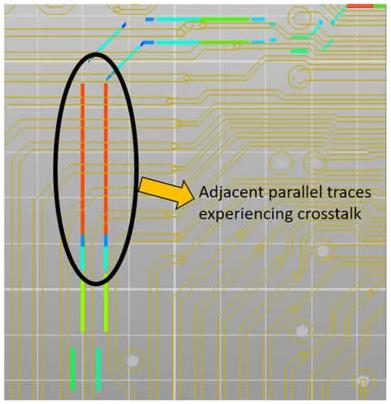
Iwu ntugharị PCB iji zere ikwu okwu
2022-03-08
878
Ahịa eletrọniki nke taa chọrọ ka e jikọta ọtụtụ ọrụ ọsọ ọsọ na bọọdụ sekit ebipụtara nke pere mpe (PCBS) n'otu bọọdụ, nke na-eduga ndị na-emepụta ihe iji tinye waya dị nso iji mee ka nkwakọ ngwaahịa na oghere dịkwuo mma. Nso nso a nwere ike ibute njikọ a na-atụghị anya ya nke ubi eletrọniki, ihe a maara dị ka Crosstalk (lee eserese 1).
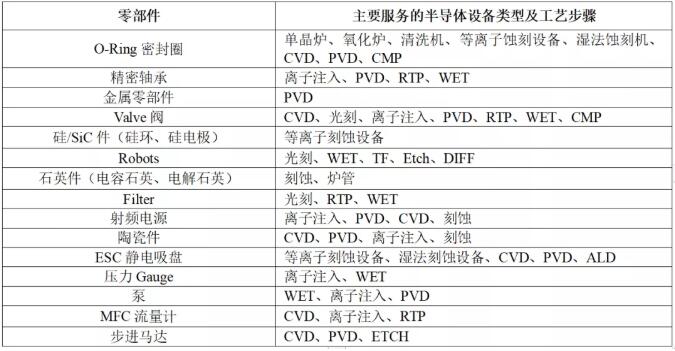
Ọnọdụ ụlọ ọrụ akụkụ semiconductor dị ugbu a yana aro maka mmepe China
2022-03-08
1076
Ụlọ ọrụ semiconductor bụ isi ụlọ ọrụ na-akwado iji wulite ike sayensị na teknụzụ atụmatụ China, akụkụ semiconductor bụkwa isi ihe dị mkpa iji chọpụta mmepe dị elu nke ụlọ ọrụ semiconductor China. Ọ bụ ezie na ụlọ ọrụ semiconductor nke China nọ n'ọkwa mmepe ngwa ngwa, ụlọ ọrụ akụkụ semiconductor nke ime obodo ka na-eche ọtụtụ nsogbu ihu, dị ka obere ọnụego mpaghara, enweghị nkwado na itinye ego ogologo oge zuru oke, ike ọhụrụ na-adịghị ike nke ụlọ ọrụ, mmekorita na-adịghị mma na nke dị n'elu na nke dị n'okpuru ala nke ụlọ ọrụ ahụ, enweghị ọzụzụ talent na usoro mkpali. Akwụkwọ a ga-achịkọta njirimara mmepe na ụlọ ọrụ dị mkpa nke ụlọ ọrụ akụkụ semiconductor zuru ụwa ọnụ, mụọ nha ahịa na ụkpụrụ mmepe n'ụlọ na mba ofesi, ma tinye aro mmepe dị mkpa maka nsogbu ndị bụ isi na-eche ụlọ ọrụ akụkụ semiconductor nke ime obodo ihu ugbu a.

EDA software ibu Synopsys Teknụzụ
2022-03-08
953
(Nasdaq: SNPS) bụ onye na-eweta ngwa ngwanrọ nhazi eletrọnịkị (EDA) maka imewe sekit agbakọtara n'ụwa niile. Iji nye ikpo okwu nhazi na nkwenye IC dị elu maka ahịa eletrọnịkị zuru ụwa ọnụ, nke raara nye mmepe nke sistemụ dị mgbagwoju anya na chip (SoC). Synopys na-enyekwa ọrụ ihe onwunwe na imewe nke na-eme ka usoro nhazi dị mfe ma na-eme ka ngwaahịa dị ngwa ngwa n'ahịa.
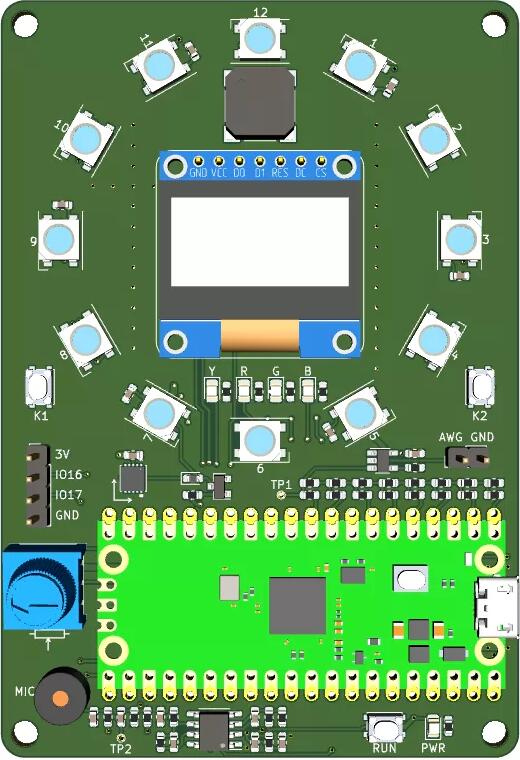
Iwebata dị mfe na Sistemụ Embedded (1) - Gịnị bụ MicroPython?
2022-03-08
1033
Dị ka Python ghọrọ asụsụ mmemme na-achị achị, MicroPython bịara na-ewu ewu na oghere sistemu agbakwunyere, ọkachasị na ESP32 ama ama na RP2040 microcontroller dabere na Pico nke Raspberry PI Foundation wepụtara.
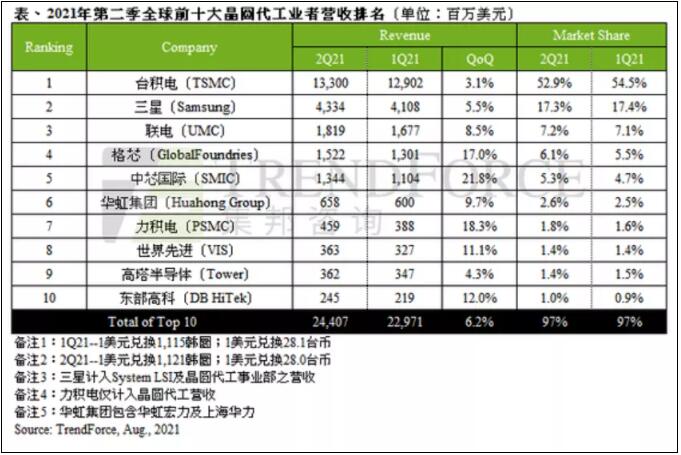
Ọnụ ahịa ego enwetara ọhụrụ nke ntọala pụtara na nkeji nke abụọ, na-arụpụta ijeri $24.407
2022-03-08
874
Dịka TrendForce si kwuo, ọchịchọ mgbe ọrịa gbasasịrị, mgbanwe mmepụta nkwukọrịta, ihe egwu dị na mpaghara na oke ụjọ nke ụkọ ogologo oge kpatara nọgidere na-agbasa na nkeji nke abụọ, nakwa site na mmụba ọnụahịa nke nkeji mbụ, mmepụta ihe owuwu ruru ijeri $24.407 na nkeji nke abụọ, mmụba nke 6.2% kemgbe nkeji nke atọ nke 2019. O tinyela ọkwa ọhụrụ maka nkeji asatọ n'usoro.
Hao Yue, onye ọkà mmụta sayensị nke Chinese Academy of Sciences: mmepe nke semiconductor obosara enweghị ike iji na-enweghị ihe ọhụrụ.
2022-03-08
930
Ka njupụta transistor IC na-eru nso na oke anụ ahụ, ọ na-esiwanye ike imeziwanye arụmọrụ IC site na imeziwanye usoro mmepụta. Banyere otu esi emepụta oge mmepụta ihe IC mgbe Moore gasịrị, ụwa na-achọ teknụzụ ọhụrụ, ụzọ ọhụrụ na ụzọ ọhụrụ. Iji kwalite ihe ọhụrụ teknụzụ ma mee ka mmepe ụlọ ọrụ mmepụta ihe nke sekit agbakọtara na China dị ngwa ngwa n'oge Moore gasịrị, China Semiconductor Industry Association na China Electronics News jikọrọ aka webata usoro akụkọ akpọrọ "Ndị ọkà mmụta na-ekwu maka teknụzụ Evolution in the Post-Moore Era", nke ga-agba ndị ọkà mmụta ajụjụ ọnụ n'ọhịa ndị metụtara ya iji kwurịta ntụziaka mmepe nke ụlọ ọrụ semiconductor n'oge Moore mgbe Moore gasịrị.
Kedu ka Citigroup si eche maka nchekwa nke eriri ngwaahịa ngwaahịa semiconductor ya (4: akụrụngwa mmepụta semiconductor)
2022-03-08
826
(Gaa n'ihu site na Nkebi nke Mbụ: Nhazi Sekit Agbakwunyere, Nkebi nke Abụọ: Mmepụta Sekit Agbakwunyere, Nkebi nke Atọ: Nkwakọ ngwaahịa bụ isi, Nnwale, na Nkwakọ ngwaahịa dị elu) 5. Ngwa mmepụta ngwaahịa semiconductor (1) Nkọwa nke Ngwa Mmepụta Semiconductor Ụlọ ọrụ nta na ọkara E nwere ọtụtụ ụdị ngwa nhazi na nrụpụta ngwaahịa semiconductor nke obere na ọkara ụlọ ọrụ na-eji na usoro ọ bụla nke usoro mmepụta semiconductor. E nwere akụrụngwa kpọmkwem maka semiconductor (nhazi tupu oge eruo) maka imepụta wafers gba ọtọ (ihe ndị e ji arụ ọrụ), akụrụngwa maka ịhazi wafers gba ọtọ ka ọ bụrụ wafers ikpeazụ (mgbe nhazi gasịrị), na akụrụngwa maka imepụta ihe mkpuchi foto (mmepụta ihe mkpuchi ihu). Ndị na-emepụta chip chọrọ ọtụtụ ngwa ọrụ dị iche iche n'usoro mmepụta ha. Ọnụ ego nke ngwa mmepụta semiconductor dị mgbagwoju anya bụ isi ihe kpatara ọnụ ahịa dị elu nke ihe ndị e ji emepụta semiconductor, gụnyere ọnụ ahịa iwu ihe ndị dị ọcha nke ukwuu.
Ngwa mmepụta semiconductor nke dị n'ihu gụnyere akụrụngwa maka usoro mmepụta chip dịka fotolithography, etching, doping ma ọ bụ ion implantation, deposition, polishing, ma ọ bụ chemical mechanical planarization. Ihe pụrụ iche bụ ngwa nchekwa anwụrụ ọkụ kemịkalụ metal-organic (MOCVD), ụdị ngwa nchekwa nke na-etinye obere akwa ụfọdụ ọla, nke a na-ejikarị emepụta semiconductor compound, gụnyere ndị dabere na GaAs na GaN.
Ihe nrụpụta semiconductor azụ azụ SME gụnyere ATP na ngwa nkwakọ ngwaahịa dị elu.
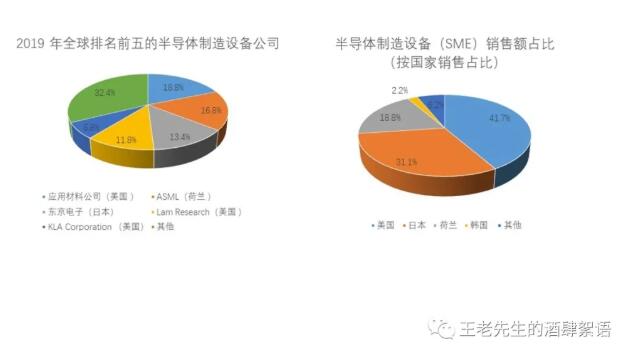
(2) Ọnọdụ dị ugbu a bụ ụlọ ọrụ dị na US (41.7% n'ihe gbasara ego ahịa), Japan (31.1%) na Netherlands (18.8%). South Korea nwere òkè 2.2%, ebe China, Germany, Taiwan, Israel, Canada, na mba ndị ọzọ dị na ndịda ọwụwa anyanwụ Eshia na Europe kesara ihe fọrọ nke nta ka ọ bụrụ 6.2% fọdụrụ. Ọtụtụ n'ime ndị na-emepụta akụrụngwa mmepụta semiconductor nke South Korea bụ nke Samsung ma ọ bụ SK Hynix nwere, ndị ahịa bụ isi nke ụlọ ọrụ akụrụngwa semiconductor nke South Korea a bụ ụlọ ọrụ semiconductor nke South Korea. Ọ bụ ezie na e nwekwara ụlọ ọrụ China nke na-emepụta ụdị ngwa mmepụta semiconductor dị iche iche, ụlọ ọrụ China enweghị òkè dị ukwuu na ụdị ngwa mmepụta semiconductor ọ bụla ma e wezụga mgbakọ azụ, ngwa nkwakọ ngwaahịa na MOCVD.
Na mkpokọta, mba Amerịka na-enweta nnukwu òkè nke mmepụta zuru ụwa ọnụ nke ọtụtụ ngwa mmepụta semiconductor n'ihu, ewezuga mmepụta akụrụngwa lithography nke dị na Netherlands na Japan. Na US ọ bụkwa akụkụ dị ukwuu nke mmepụta zuru ụwa ọnụ nke akụrụngwa nnwale azụ. N'ụzọ dị iche, mba Amerịka nwere obere òkè ahịa n'ịmepụta akụrụngwa azụmaahịa azụ semiconductor zuru ụwa ọnụ (ngwa nchikọta na nkwakọ ngwaahịa), ebe mba Chaịna nwere nnukwu òkè. Ọ bụ ezie na China na-adabere nke ukwuu na ngwa mmepụta semiconductor nke na-abụghị nke China (ma e wezụga nkwakọ ngwaahịa na MOCVD), ọ na-etinye ego dị ukwuu iji lekwasị anya n'ịmepụta ngwa ndị dị otú ahụ. Ntinye ego ndị a na-enye ụlọ ọrụ ndị na-erite uru uru dị ukwuu n'ịmepụta na imepụta ngwa mgbawa kachasị ọhụrụ ma e jiri ya tụnyere ụlọ ọrụ ndị ọzọ.
Dịka eserese dị n'okpuru na-egosi, ebe US nwere oke òkè ahịa n'imepụta ọtụtụ obere ụlọ ọrụ azụmaahịa dị iche iche, ihe dị iche bụ ngwa nyocha/stepper lithography, nke ụlọ ọrụ Dutch ASML na ụlọ ọrụ Japan bụ Nikon na Canon mepụtara kpamkpam. Maka igwe lithography, ASML (Netherlands) bụ naanị onye na-emepụta steppers/scanners EUV, nke dị oke mkpa maka mmepụta nke sekit agbakọtara nwere obosara ahịrị nke 5 nm ma ọ bụ ihe na-erughị ya. Agbanyeghị, naanị ndị na-emepụta semiconductor abụọ, TSMC na Samsung, na-eji igwe EUV emepụta ugbu a, otu ngwaọrụ na-efu ihe karịrị nde dọla 100. ASML na Nikon na-emepụta igwe lithography miri emi nke ultraviolet (DUV) nke na-egosipụta ìhè site na ihe mkpuchi foto ma na-emepụta onyonyo dị nro nke ụkpụrụ ihe mkpuchi foto dị na wafer ahụ. E wezụga Netherlands na Japan, òkè nke akụrụngwa lithography nke US na mba ndị ọzọ bụ maka obere obere chips ma ọ bụ maka ime ihe mkpuchi foto.
Ngwa mmepụta semiconductor nwere ike inwe ihe ruru akụkụ 100+, akụkụ na ihe mgbakwunye akụrụngwa mmepụta semiconductor bụkwa ụdị azụmaahịa kachasị ukwuu na ụlọ ọrụ ahụ. Dịka nnyocha ọnụọgụgụ ndị nrụpụta si kwuo, ọkara nke US Ego ahịa nke ngwaọrụ mmepụta semiconductor na-aga na ihe ndị mejupụtara ya na ihe ndị ọzọ. Ihe karịrị US 130 ụlọ ọrụ na-enye ihe dị mkpa maka akụrụngwa ụlọ ọrụ mba ofesi na-ere. Ihe pụrụ iche bụ na Cymer (USA) na-emepụta laser maka igwe lithography stepper/scanner nke ASML. ASML nwetara Cymer na 2013, mana Cymer ka bụ ngalaba ọrụ ASML nke nọọrọ onwe ya na US.
N'ihi na ahịa na-agbanwe agbanwe n'ihi na ahịa na ndị ahịa pere mpe, ọtụtụ ụlọ ọrụ akụrụngwa buru ibu na-emepụta ihe karịrị otu ụdị ngwa iji nye ndị ahịa ngwa na nhọrọ mmezi zuru oke. Ụlọ ọrụ ndị na-eji ngwa nyocha/stepper lithography dịka ASML bụ ndị e kewapụrụ na iwu a n'ihi teknụzụ pụrụ iche nke ngwa ahụ. Lam Research, Tokyo Electron (TEL) na-elekwasị anya na nkwụnye ego na ịcha ihe, ebe KLA na-elekwasị anya na metrology na nyocha.
Otu ihe dị iche na ndị isi na Japan na Netherlands bụ ngwa MOCVD, nke a na-eji emepụta semiconductors e ji ihe ndị ọzọ na-abụghị silicon mee dịka GaN na GaAs, gụnyere LEDs, laser diodes na chips photonic ndị ọzọ, ngwaọrụ power/RF na sel anyanwụ. Dịka ekwuru n'elu, ibe GaN nwere ihe gbasara nchekwa atụmatụ. Ndị Veeco (USA), Aixtron (Germany) na AMEC (China) na-emepụta ngwa MOCVD. China na-agbalị inweta òkè ahịa n'ahịa MOCVD site na ịzụta ihe. Na 2016, ụlọ ọrụ China bụ Fujian Grand Chip Investment Fund, ụlọ ọrụ e guzobere maka nkwekọrịta ahụ, gụnyere ụlọ ọrụ steeti na nke mpaghara, gbalịrị inweta Aixtron, mana President Obama gbochiri nkwekọrịta ahụ mgbe nyocha nke Kọmitii na-ahụ maka itinye ego mba ofesi na United States (CFIUS) mere, nke nwere ike ịbụ na onye zụtara ya hapụrụ onyinye iwere ya.
Ụlọ ọrụ atọ kachasị elu maka akụrụngwa e ji arụ ọrụ bụ Lam Research (US), Tokyo Electron (Japan), na Applied Materials (US). Ụlọ ọrụ ndị China, gụnyere AMEC, nwere ahụmịhe n'ịkụ ihe ma nwee ike inye akụrụngwa maka ngwa ndị dị ala, agbanyeghị, òkè ahịa ha dị naanị ihe dịka 1%.
Na US nwere obere òkè ahịa (4.9%) na obere obere ngwugwu azụmaahịa (SMEs) ma e jiri ya tụnyere ngwa mmepụta semiconductor nke dị n'ihu. Japan nwere oke kachasị na ngwa nkwakọ ngwaahịa (35.7%), China (22.9%) na Netherlands (11.1%) sochiri ya. Agbanyeghị, Kulicke na Soffa nke dị na US bụ ụlọ ọrụ kachasị elu na-ahụ maka ngwa nkwakọ ngwaahịa semiconductor. Na US na Japan na-edu ụzọ n'ime ngwa nnwale azụ-end (ATP) na òkè ahịa nke 33.5% na 48.6%, n'otu n'otu.
(3) Ngwa mmepụta Semiconductor, ihe egwu nke United States Ịdabere na ire ere mba ofesi (na-abụghị nke US): Ebe US nwere oke òkè nke ahịa akụrụngwa mmepụta semiconductor, US ndị na-emepụta ihe na-adabere nke ukwuu na ahịa mba ofesi. Dịka ndị na-emepụta semiconductor kachasị ukwuu, Taiwan, China na South Korea bụ ahịa kachasị ukwuu maka akụrụngwa mmepụta semiconductor. Ọ bụ ezie na a na-atụ anya na Taiwan ga-enwetaghachi ọnọdụ ya dịka ahịa kachasị ukwuu maka akụrụngwa mmepụta semiconductor na 2021 na 2022, n'ihi nnukwu mmefu nke chip fabs chọrọ, Applied Materials and Lam Research na-akọ na ihe dị ka 90% nke mkpokọta ego ha ga-enweta na 2020 ga-esi na ire ere ndị na-abụghị nke US. Ego Lam Research nwetara site na Chaịna mụbara site na 16% na 2018 ruo 31% na 2020. N'ihi ya, US Ndị na-emepụta akụrụngwa mmepụta semiconductor nọ n'ihe ize ndụ nke inwe mmetụta dị ukwuu site na mmachi azụmaahịa US-China ma ọ bụ mgbanwe ọchịchọ a na-atụghị anya ya na Eshia. Mmetụta a nwere ike ịgafe mbelata ego ugbu a, ebe ndị na-emepụta semiconductor na-enweta oke mkpọchi ngwaọrụ, na ịgbanwe ndị na-ebunye ngwaọrụ chọrọ nhazigharị dị oke ọnụ. Dịka ọmụmaatụ, Lam Research kwuru na akụkọ kwa afọ ya nke afọ 2020, "Ozugbo onye na-emepụta semiconductor kwere nkwa ịzụta ngwa mmepụta semiconductor nke onye asọmpi, onye nrụpụta na-aga n'ihu na-azụta ngwa nke onye asọmpi ahụ, na-eme ka ọ siere anyị ike ire anyị nye onye ahịa ahụ n'ọdịnihu." akụrụngwa.” Na mgbakwunye, ire ngwa mmepụta semiconductor bụ naanị maka mahadum na ụlọ ọrụ mmepụta semiconductor ndị nwere ihe ndị e ji emepụta ihe. Ụlọ ọrụ mmepụta akụrụngwa Semiconductor enweghị ike ịbawanye ndị ahịa ha n'èzí ụdị ndị a n'ihi na akụrụngwa dị otú ahụ pụrụ iche na ụlọ ọrụ semiconductor.
Enyemaka China maka mmepụta ngwa mmepụta semiconductor na-agbagọ ahịa: Na mgbakwunye, China na-eme atụmatụ inye nnukwu ego enyemaka iji kwado mmepụta ngwa mmepụta semiconductor na mba ahụ. Nkebi nke abụọ nke China National Integrated Circuit Industry Investment Fund lekwasịrị anya na igwe etching, ngwa deposit, nnwale na ngwa nhicha wafer, yana ego sitere na $28.9 ruo $47 ijeri. Ego enyemaka ndị a na-eme ka ụlọ ọrụ ndị China na-azụ ahịa, ọ bụ ezie na ọtụtụ n'ime ha yiri ka ha enweghị uru. Dịka ọmụmaatụ, dịka Òtù Maka Mmekọrịta Akụ na ụba na Mmepe (OECD) si kwuo, "mgbasa ego gọọmentị enweela mmetụta doro anya na arụmọrụ ego nke ndị na-emepụta semiconductor nke China," ebe mmụba nke akụ ụlọ ọrụ ejikọtaghị mmụba na uru. Enyemaka ndị a na-enye ụlọ ọrụ China ego ha ga-eji tinye ego na nyocha na mmepe n'imepụta semiconductor ọgbọ na-abịa, na-enye ha nnukwu uru karịa ụlọ ọrụ ndị na-abụghị ndị China na-anaghị enweta enyemaka dị otú ahụ. N'adịghị ka ọ dị n'oge gara aga, ndị na-emepụta akụrụngwa mmepụta semiconductor taa anaghị achọ itinye ego na R&D maka nha wafer ọgbọ na-abịa, ebe ọ bụ na nnukwu mmefu R&D na isi obodo iji mepụta akụrụngwa mmepụta semiconductor na ejighị n'aka mgbe na ebe a ga-emepụta chip kachasị elu.
Kedu ka Citigroup si ele nchekwa nke yinye ọkọnọ semiconductor ya (II: Nrụpụta Circuit InteGRATED)
2022-03-08
1031
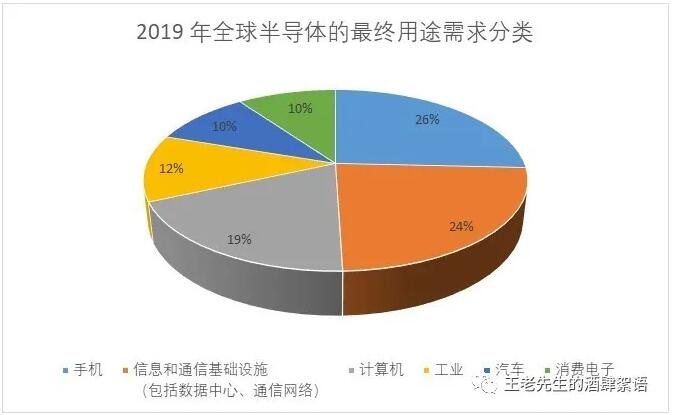
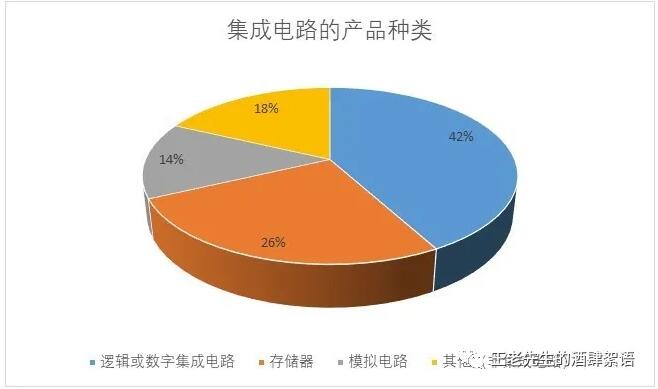
(Soro akụkụ nke mbụ n'elu: Nhazi sekit agbakwunyere (Gbasara Mmepụta sekit agbakwunyere (1) Atụmatụ bụ isi nke Citigroup nke Ụlọ Ọrụ Mmepụta sekit agbakwunyere Ngwaahịa semiconductor na-achịkwa ihe fọrọ nke nta ka ọ bụrụ akụkụ niile nke akụ na ụba, gụnyere ike, nlekọta ahụike, ọrụ ugbo, ngwa eletrọniki ndị ahịa, mmepụta ihe, na njem. Ọchịchọ ojiji zuru ụwa ọnụ maka semiconductors na 2019 bụ: ekwentị mkpanaaka (26%), akụrụngwa ozi na nkwukọrịta (gụnyere ebe data, netwọk nkwukọrịta) (24%); Kọmputa (19%), ụlọ ọrụ (12%), ụgbọala (10%) na ngwa eletrọniki ndị ahịa (10%). Ihe dị ka 9% nke ngwa dị iche iche ndị a na-akwado nchekwa mba na ihe dị mkpa ozugbo.

Kedu ka Citigroup si ele nchekwa nke yinye ọkọnọ semiconductor ya
2022-03-08
779
(Nkebi nke mbụ na-esote: Nhazi sekit agbakwunyere; ATP (Nhazi, Nnwale, na Nkwakọ ngwaahịa) na nkwakọ ngwaahịa dị elu (1) Maka ATP semiconductor azụ teknụzụ dị ala, United States na-adabere nke ukwuu na akụrụngwa mba ofesi nke dị na Eshia. (2) Ka chips na-aghọ ihe mgbagwoju anya karị, ụzọ nkwakọ ngwaahịa dị elu na-anọchite anya ebe enwere ike maka ọganihu teknụzụ dị ukwuu. Agbanyeghị, US abụghịkwa ebe dị ọnụ ala iji mepụta ụlọ ọrụ nkwakọ ngwaahịa dị elu siri ike n'ihi na ọ nweghị usoro ihe dị mkpa; (3) N'ikwekọ na nke a,
Kedu ka Citigroup si eche maka nchekwa nke eriri ngwaahịa ngwaahịa semiconductor ya (otu: ụlọ ọrụ nrụpụta sekit agbakwunyere)
2022-03-08
925
Ihe ize ndụ, dozie oghere ma chepụta atụmatụ nke inye ike siri ike n'agbụ.
Kedu mgbe semiconductor China nwere ike iru ọkwa ụwa? Azịza Chen Datong bụ ...
2022-03-08
923
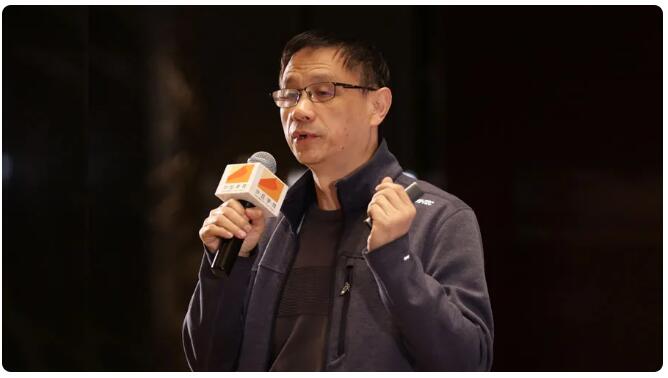
"Afọ ole ka semiconductor nke China nwere ike ijide ọkwa ụwa? Azịza m nyere afọ abụọ gara aga bụ na ngwugwu ahụ ejidela ọkwa ụwa. Nhazi ahụ na-ewe afọ 5 ruo 10. Ncheta ahụ na-ewe afọ 10-15. Ngwaọrụ/ihe ndị a na-eji eme ihe na-ewe afọ 10-20, oke njedebe ga-adịkwa nwayọ. "Foto: Chen Datong, onye mmekọ Puhua Capital, obere oge gara aga, Chen Datong bịara Sand Dune Academy ịkọrọ ndị ọchụnta ego semiconductor ya na echiche itinye ego n'ime afọ iri atọ gara aga. Isiokwu a na-ekerịta ọdịnaya nke iwepụ mmetụta uche: Ị nwere ike ịkpata ego iji tinye ego na ụlọ ọrụ semiconductor nke China? Agara m ogbako kwa afọ nke Qingke na 2009. Na nzukọ kwa afọ, ụfọdụ ndị kwuru na ụlọ ọrụ niile dị na China nwere ike ịkpata ego, ewezuga semiconductor. Emere m semiconductor ruo ndụ m niile, a kpaliri m n'oge ahụ.
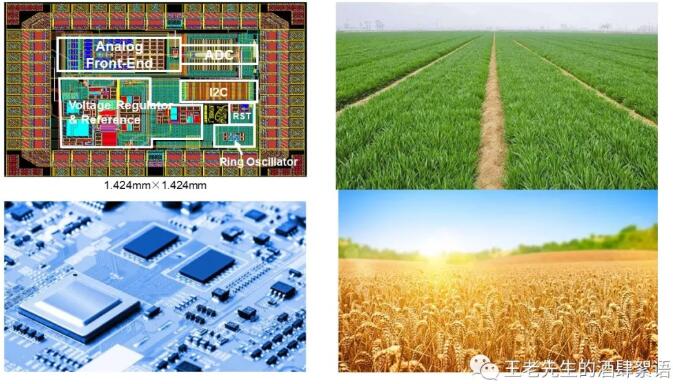
Sekit jikọtara ọnụ bụ ntọala nke ụlọ ọrụ ozi, nri nke ụlọ ọrụ mmepụta ihe, na ntọala nke nchekwa
2022-03-08
893
"Sekit jikọtara ọnụ ma ọ bụ ibe bụ nri ụlọ ọrụ"
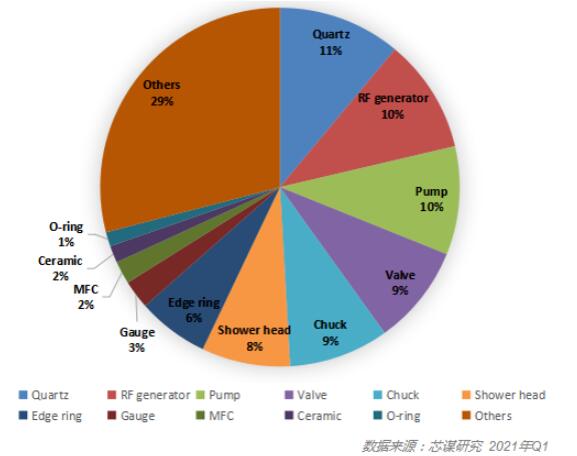
Otu n'ime isi iyi nke olu nke kaadị semiconductor China - akụkụ ngwaọrụ
2022-03-08
898
Ịchụso nchekwa na gburugburu ebe obibi zuru oke nke usoro ọkọnọ nke ụlọ ọrụ ozi eletrọnịkị nke China bụ usoro siri ike nke nta nke nta. Ọkwa mbụ bụ mmepe onwe onye na mmepụta nke chips, wee nweta ọchịchọ maka akụrụngwa dị n'ime ụlọ. Mana eziokwu na-egosi na ọbụna akụrụngwa ahụ nwere ike imezu. United States na-amachibido ụlọ ọrụ mmepụta wafer nke China iwu, ụfọdụ ndị na-emepụta akụrụngwa China ga-edo onwe ha n'okpuru United States. Isi ihe kpatara ya ka na-adabere na United States na ihe ndị dị mkpa. Ma e jiri ya tụnyere akụrụngwa ahụ, akụkụ ahụ abụghị nnukwu n'ihe gbasara akụrụngwa, mana ha bụ ihe a na-ahụkarị.
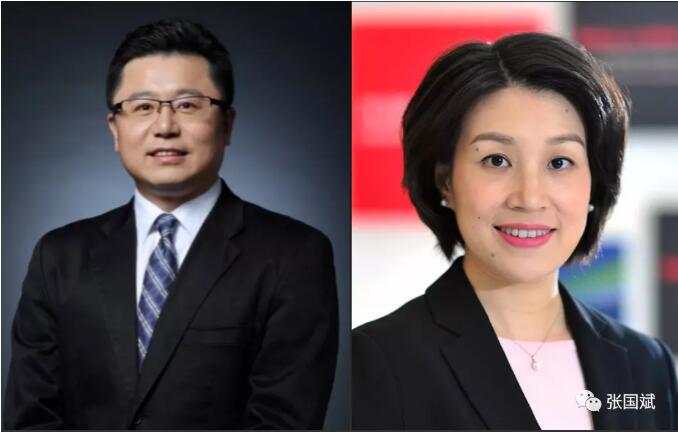
Naanị! Ndị isi Huiting: Nwada Hu Yuhua na-eje ozi dị ka onye isi oche nke Sayensị na Nkà na ụzụ Huiding!
2022-03-08
762
Na Febụwarị 23, mgbe nnukwu ụlọ ọrụ mmepụta ihe Texas Instrument (TI) kwupụtara nhọpụta Jiang Han dịka osote onyeisi oche nke Texas Instrument Company na Onyeisiala China, onye bụbu osote onyeisi oche nke Texas Instrument na Oriakụ Hu Yuhua (Sandy Hu) ghọrọ ụlọ ọrụ mmepụta ihe. Lekwasị anya, n'ihi na 2020 bụ afọ ebe ego TI na-enweta bụ ihe ndekọ ego, Oriakụ Hu Yuhua họọrọ ịlaghachi azụ wee kwuo na ya ga-ama onwe ya aka ọzọ. Kedu ka o si agba onwe ya aka?
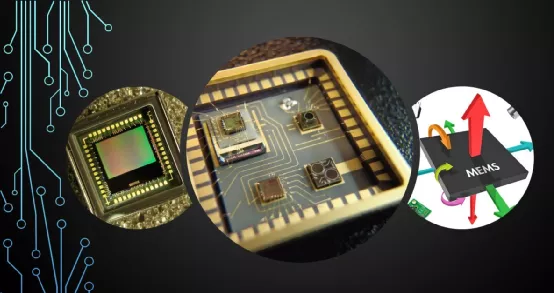
40 ụlọ ihe mmetụta mgbawa na-emepụta akụkọ nyocha nyocha
2022-03-08
932
N'ihe gbasara ngwa eletrọniki na eletriki, a na-eji ihe mmetụta ahụ enweta ihe mgbaàmà anụ ahụ mbụ nke ụwa mpụga, gụnyere ụda, onyonyo, okpomọkụ, iru mmiri, nrụgide, na akara ọkụ, ma gbanwee ihe mgbaàmà anụ ahụ ndị a ka ọ bụrụ ihe mgbaàmà eletriki, ụdị voltaji/ugbu a na-ahụkarị. Ihe mmetụta anụ ahụ na kemịkalụ ọdịnala na-enweta naanị ihe mgbaàmà mpụga ma ha enweghị ike ịgbakọ na nhazi. Site na mmelite nke teknụzụ mmepụta, nha na ọnụ ahịa achọrọ, ihe mmetụta MEMS dabere na usoro Microelectronics System (MEMS) na-aghọwanye ewu ewu. N'itinye ihe mmetụta sara mbara, ekwentị kwesịrị ịlebara anya pụrụ iche. Ma ihe mmetụta onyonyo CMOS (CIS) ma ọ bụ onye nrụpụta mgbawa mmetụ aka/mkpisi aka enwetala nnukwu ohere mmepe site na ya.
MCU localization - ezi omume nke ụwa bụ vicissitudes
2022-03-08
873
Ụlọ ọrụ semiconductor nke China adịla ọkụ nke ukwuu. N'otu aka, ọ bụ n'ihi nkwado amụma, n'aka nke ọzọkwa, ọ bụkwa mmụba ebumpụta ụwa nke ọchịchọ ahịa ọkọnọ na ọchịchọ, nke emeela ka mmepe nke semiconductor dị n'ime ụlọ dị iche iche dịkwuo ngwa ngwa. N'oge na-adịbeghị anya, Prọfesọ Wei Shaojun, onye nduzi nke Institute of Microelectronics nke Mahadum Tsinghua na osote onye isi oche nke China Semiconductor Industry Association, kwuru okwu na Global CEO Double Summit "Ụzọ ziri ezi bụ mgbanwe nke ndụ, na mkpebi siri ike n'okpuru nnukwu mgbanwe", na-egosi na mmepe nke semiconductors kwesịrị ịlaghachi na echiche nke lekwasịrị anya na ngwaahịa, ma lelee ngalaba ise dị mkpa nke ụlọ ọrụ semiconductor: imewe, mmepụta, nkwakọ ngwaahịa na nnwale, mgbakọ na ihe. Anyị aghaghị ịkwanyere iwu nke mmepe ụlọ ọrụ mmepụta ihe ùgwù, ịhazi akụrụngwa, na imepe ihe n'usoro. mmepe ụdị.
Site n'echiche nke ngwaahịa MCU nke a na-ejikarị eme ihe, e nwere ọtụtụ ndị otu mmepe na sistemụ nkwado na China site na ngwaahịa ndị ahịa gburugburu ekwentị mkpanaaka, obere ngwa ụlọ ruo na njikwa moto ụlọ ọrụ mmepụta ihe, eletrọnịkị ụgbọala, nkwukọrịta ikuku, Intanet nke Ihe, na ọbụna ọgụgụ isi arụrụ arụ. N'otu oge ahụ, China nwekwara otu ndị ahịa na ọnọdụ ngwa kachasị ukwuu. Dabere na ihe ndị a dị n'elu, uru mmepe nke obere kọmputa dị na China doro anya karịa, e mekwara ọtụtụ ụlọ ọrụ kpakpando dị na mpaghara ahụ!
Ọ bụ ezie na ahịa ndị China na-agbasawanye mgbe niile, a ka nwere nnukwu ọdịiche dị n'etiti MCU ụlọ n'ụdị ngwaahịa, oke ahịa na ọganihu nkà na ụzụ ma e jiri ya tụnyere ụdị esenidụt.
Na 2020, a na-atụ anya na ahịa nke ndị na-emepụta MCU n'ime obodo ga-eru ijeri yuan 14.8, nke ga-abụ 55% nke ahịa MCU nke China dum. Ugbu a, ndị na-emepụta MCU n'ime ụlọ na-asọmpikarị na ngwa ndị dị ala dịka ngwa eletrọniki ndị ahịa, kaadị smart na mmiri, ọkụ eletrik na mita gas, mana n'ebe ndị nwere nnukwu ike ahịa na uru dị elu, dịka njikwa ụlọ ọrụ mmepụta ihe, ngwa eletrọniki ụgbọala na ahịa Intanet nke Ihe, MCU ndị mba ọzọ ka na-achịkwa ha. Monopoly nke ndị nrụpụta!
Ọkwa arụmọrụ MCU nke Eshia-Pacific Y2019 dị ka ndị a: Site n'echiche nke òkè ahịa MCU zuru ụwa ọnụ na 2020, MCUs 32-bit ga-aza 62%, 16-bit 23%, na 4/8-bit 15%; site n'echiche nke ahịa ngwa MCU dị n'ime ụlọ, a ka na-eji MCUs 8-bit dị ka òkè ahịa. Onyenweanyị, mana site na mmelite na-aga n'ihu nke ngwaahịa njedebe, yana ọchịchọ siri ike maka ike kọmputa na obere oriri ike n'oge Ịntanetị nke Ihe, yana nkezi ọnụ ahịa ire ere nke abụọ na-ebelata oghere ahụ, MCU 32-bit ga-eweta uto dị egwu!
Ihe ndị a bụ ozi bụ isi na maapụ nkesa ọnụọgụgụ nke ndị nrụpụta MCU iri atọ n'ime ụlọ nke e chịkọtara site na Albọm Injinịa Elektrọnik na Ọgọst 2020. Ụlọ ọrụ ndị edepụtara: 12, gụnyere 2 edepụtara na Board nke Atọ Ọhụrụ na ndị enyemaka atọ nke ụlọ ọrụ ndị edepụtara Isi ụlọ ọrụ: 10 na Shanghai, 7 na Shenzhen, 3 na Beijing, 3 na Zhuhai, 2 na Suzhou, 1 nke ọ bụla na Qingdao, Nanjing, Hangzhou, Chongqing na Anhui Wuhu. Site n'echiche nke usoro kernel, usoro Arm ka bụ isi ihe, na-aza ihe karịrị 55%. Agbanyeghị, site na mmụba nke nkwado amụma na ọganihu ahịa, oke nke RISC-V egosikwala mmụba nke ukwuu.
Anyị anakọtala ma hazie ntụnyere nke ụfọdụ ndị na-emepụta MCU n'ụlọ. Site na nke a, anyị nwekwara ike ịhụ nhazi ogologo oge nke onye nrụpụta ọ bụla n'ime ụlọ ọrụ dị iche iche dịka ngwa eletrọniki ndị ahịa, Intanetị nke Ihe, akụrụngwa ọhụrụ na ngwa eletrọniki ụgbọala dabere na teknụzụ nke ha na uru ahịa.
Malite n'ọnwa Eprel afọ 2013, Zhaoyi Innovation wepụtara MCU 32-bit mbụ nke dabere na isi Arm Cortex-M3 na China. Mgbe ihe fọrọ nke nta ka ọ bụrụ afọ asaa nke mmepe na-aga n'ihu, Zhaoyi nwere ahịrị ngwaahịa 24 zuru oke na ngwaahịa MCU nke Arm core, yana ihe karịrị ụdị nhọrọ 300, nke nwere arụmọrụ dị elu, ndakọrịta n'etiti usoro, na ntụkwasị obi ụlọ ọrụ. arụmọrụ na mfe nke mmepe. Dịka data gọọmentị si kwuo, ruo na Mee 2017, mbupu Zhaoyi nke 32-bit MCU agafeela nkeji nde 100, ma ruo na June 2020, ọnụọgụ a agafeela nkeji nde 400.
N'ọnwa Ọgọstụ afọ 2019, Zhaoyi weputara MCU mbụ zuru ụwa ọnụ nke dabere na usoro RISC-V isi: GD32V. Ngwa ahịa ọhụrụ mbụ ahụ na-enye ụdị 14, gụnyere ụdị ngwugwu 4 gụnyere QFN36, LQFP48, LQFP64 na LQFP100. Ma nọgide na-enwe nkwekọ zuru oke na ngwaahịa ndị dị ugbu a na mmepe ngwanrọ na nkwakọ ngwaahịa pin. Arụmọrụ nke usoro MCU GD32V n'oge kachasị elu nwere ike iru 153 DMIPS, ule CoreMark nwetakwara arụmọrụ dị mma nke isi 360. Ma e jiri ya tụnyere GD32F103 na isi GD32 Cortex-M3, arụmọrụ ya ka mma site na 15%, a na-ebelatakwa oriri ike ike site na 50%. , a na-ebelata oriri ike nke njikere site na 25%.
N'ọdịnihu, ngwaahịa ahịa na-esote nke GD32 MCU ga-etolite na mpaghara atọ: njikọ ikuku, oriri ike dị ala na ngwaahịa ụgbọ ala.
无线连接 Y2020 ● IOT WiFi ● BT+BLES.x+WiFi多模 ● Sub 1GHz多模 ● UWB 超低功耗 Y2021 ● 电池供电设夿 ●可穿戴设备 汽车级产品 Y2022 ● 汽车级产品认证Ngwaahịa nke Chipsea dị ugbu a bụ maka mpaghara anọ: 1) Nleta ahụike na ngwaahịa ahụike; 2) Ngwaahịa mmekọrịta mmadụ na kọmputa; 3) Nha ihe mgbaàmà eletriki, njikwa ike na ngwaahịa njikwa; 4) Ngwaahịa sensọ ụlọ nwere ọgụgụ isi. Chipsea malitere na ADC, etinyela aka nke ukwuu n'ọhịa ADC ruo afọ 17, ma chịkọtala afọ 12 na ngalaba MCU. Ihe ọhụrụ ya n'ọdịnihu ga-elekwasị anya na ikpo okwu abụọ nke ADC+MCU, na-enye ọtụtụ oriri ike dị ala, obere nha, ezigbo nkenke na oke nkenke maka Intanetị nke Ihe. Ngwaahịa agbụ akara arụmọrụ dị elu!
Smart Microelectronics Kemgbe e guzobere ya na Machị 2011, Smart Microelectronics emechaala imewe na nkwalite nke ọtụtụ narị ngwaahịa MCU nke ọma. Ugbu a, Smart Microelectronics nwere ngwaahịa MCU nke dabere na isi ARM Cortex-M0 na Cortex-M3, gụnyere: Usoro MM32F maka ahịa arụmọrụ dị elu, usoro MM32L maka oriri ike dị oke ala na ngwa nchekwa, usoro MM32W nwere ọtụtụ ọrụ njikọ ikuku, usoro MM32SPIN maka draịva na njikwa moto, na usoro MM32P ụdị OTP, wdg. Ọchịchọ ahịa maka ọnọdụ ngwa bara ụba n'ọtụtụ ubi na n'ọtụtụ ọkwa.
Na mgbakwunye na ilebara ahịa ngwa eletrọniki ọdịnala anya, Smart Microelectronics na-agakwa n'ihu na-eme ka itinye ego ya na ahịa njikwa moto sie ike. I nwere ike ileba anya na Smart Micro Marketing Director: Maazị. Huang Zhikai, onye kesara na nzukọ ọmụmụ teknụzụ ụgbọ ala Shenzhen nke iri na ise na 2020: http://news .ifeng.com/c/7ysBnANAD39, azịza zuru ezu nye okwu ndị dị mkpa dịka ngwọta njikwa ụgbọ ala na oriri ike ụgbọ ala.
E guzobere mgbawa Hangshun chip na Shenzhen n'afọ 2014. Ngwanrọ na ngwaike ya dakọtara nke ọma na MCU ndị ebubatara. Dịka otu n'ime uru ya dị mkpa, Hangshun na-enye ngwaahịa MCU dị ọnụ ala nke nwere ike ịbanye n'ahịa ngwa ngwa. HK32F030M ewepụtara n'oge na-adịbeghị anya, MCU 32-bit, nwere ọnụ ahịa na-erughị otu yuan maka ndị ọrụ ikpeazụ, ma mechaa nweta otu n'ime ihe ndị kacha sie ike maka kọmputa 32-bit iji dochie MCU 8-bit/16-bit etiti ruo elu! HK32F030M abụghị naanị ọnụ ahịa dị ala, kamakwa o nwere ugboro 48M isi, oge nhicha 100,000, wdg. Enwere ike iji ya mee ihe n'ọtụtụ ebe na oximeters, moto, ọkụ fan n'uko ụlọ, ndị na-achịkwa friji ikuku na ngwaahịa ndị ọzọ!
N'ọdịnihu, chips Hangshun agaghị agba mbọ n'ihe gbasara MCUs izugbe, kamakwa ha ga-elekwasị anya n'ebe ahịa dị iche iche dị ka akụrụngwa ọhụrụ nke mba ahụ na nnukwu data 5G maka Intanetị nke Ihe, wdg, ma na-ewepụta ngwaahịa ọhụrụ n'usoro SOC dị elu ma raara onwe ya nye.
E guzobere ụlọ ọrụ semiconductor BYD Semiconductor Co., Ltd., nke a maara na mbụ dị ka Shenzhen BYD Microelectronics Co., Ltd., na 2004. Ugbu a, isi ọrụ BYD Semiconductor na-ekpuchi nyocha na mmepe, mmepụta na ire nke semiconductor ike, ICs njikwa ọgụgụ isi, sensọ ọgụgụ isi na semiconductor optoelectronic. BYD Semiconductor kwenyere na MCU chips, dịka isi ihe dị mkpa na kọmputa na nhazi n'ime sistemụ eletrọniki ụgbọala, bụ isi ihe na-eme ka ụgbọala dị omimi site na ọkụ eletrik ruo na ọgụgụ isi. Site na mmiri ozuzo ya na ụlọ ọrụ ụgbọ ala, BYD Semiconductor banyere na ngalaba MCU na 2007. Malite na MCUs nke ọkwa ụlọ ọrụ mmepụta ihe, ọ gbasoro ụzọ abụọ nke arụmọrụ na ntụkwasị obi, ma ugbu a ọ nwere ibe MCU nke ọkwa ụlọ ọrụ mmepụta ihe, ibe MCU nke ọkwa ụlọ ọrụ mmepụta ihe atọ n'ime otu, na ibe MCU nke ọkwa ụgbọala. Chip MCU nke 8-bit nke ọkwa iwu, chip MCU nke 32-bit nke ọkwa ụgbọ ala na njikwa batrị chip MCU na ngwaahịa ndị ọzọ. Ruo ugbu a, MCUs nke BYD Semiconductor nwere ọkwa ụgbọ ala karịrị nde ise, mbupu nke MCU karịrị ijeri abụọ, na-enweta nnukwu ọganihu n'ahịa maka MCUs nke obodo.
China bụ mba kachasị na-emepụta ma na-ere ụgbọala n'ụwa, ọ bụkwa mba kachasị na-ere ụgbọala n'ụwa niile, ọ bụkwa mba kachasị na-ere ụgbọala n'ụwa niile nke a na-akpọ MCU. Ugbu a, ihe dị ka 100 MCUs ka eji eme ihe n'ime otu ụgbọala nkịtị. Dịka atụmatụ a si dị, ọnụọgụgụ ahịa MCU nke ụgbọala mba m dị ihe dị ka ijeri abụọ, nha ahịa ahụ dịkwa elu ruo ọtụtụ ijeri yuan. Mmụba nke mgbanwe ọhụrụ anọ nke ụgbọala (ọkụ eletrik, ọgụgụ isi, netwọk, na ịkekọrịta) ga-eme ka ọchịchọ maka MCU dịkwuo elu.
Na mgbakwunye na ike zuru oke nke nhazi ọnụahịa, arụmọrụ ngwaahịa, ọrụ teknụzụ, na nzaghachi nhazi na ụdị mba ofesi, onye nchịkọta akụkọ kwenyere na semiconductor dị n'ime obodo kwesịrị ịnọgide na-eme ka owuwu na ọdịnaya nke gburugburu ebe obibi sikwuo ike. Dịka ọmụmaatụ, ST na-enye usoro zuru oke nke ngwaọrụ mmepe ngwaike na ngwanrọ maka usoro ngwaahịa ọ bụla, ma na-ewulite usoro mmepe na-enweghị nsogbu site na ikpo okwu mmepe otu nkwụsị site na nhazi, mmepe, mmemme ruo na nsochi, lee foto dị n'okpuru.
N'otu oge ahụ, ST zụlitekwara ọnụ ọgụgụ buru ibu nke ndị ọrụ nwere ike site na nkwado akụrụngwa dị iche iche dị ka Mmemme Mahadum China, nyiwe dị n'ịntanetị dị ka ebe nrụọrụ weebụ gọọmentị / micro official, na ọzụzụ n'ịntanetị.
Na mgbakwunye, ST na-emekwa ka ndị mmekọ nwee ike imepụta ihe site na mmemme onye mmekọ, na-eme ka ọ dịrị ndị ahịa mfe ịnweta akụrụngwa mmepe ndị ọzọ. Chuangxin Workshop bụ otu n'ime ndị mmekọ gburugburu ebe obibi, na-enye nchekwa firmware na ngwaahịa na ọrụ ọkụ dị nchebe maka onye ọ bụla. Ndị mmekọ nke atọ anaghị enye naanị akụrụngwa ngwaike dịka bọọdụ mmepe ngwaike, ndị na-arụzi ihe, na ndị na-ere ọkụ, kamakwa ha na-enye ọrụ firmware mmemme (nzochi firmware, ọkụ nchekwa firmware, ọkụ igwe ojii firmware, wdg.) mmeri-mmeri.
"Ụzọ ziri ezi n'ụwa bụ mgbanwe ndụ" sitere na "Iwu Asaa - Ndị Agha Nnwere Onwe Ndị Mmadụ Occupies Nanjing" nke Mao Zedong dere na 1949. Obi dị ya mma mgbe ọ nụrụ ozi ọma na Ndị Agha Nnwere Onwe nke Ndị Mmadụ weghaara Nanjing n'abalị iri abụọ na atọ nke ọnwa Eprel na Shuangqing Villa dị na Xiangshan, Peiping, wee dee uri a.
Ihe odide mbụ ahụ bụ: Ifufe na mmiri ozuzo na Zhongshan ghọrọ odo odo, ọtụtụ nde ndị dike gafere osimiri ahụ.
Agu na dragọn ahụ dị mma karịa oge gara aga, na ụwa na-atụgharị ihu na-emesapụ aka.
Ọ dị mma ka a ga-eji nke fọdụrụ nwere obi ike chụpụ ndị ohi dara ogbenye, ka a ghara ịkpọkwa ya onye isi mmụta.
Ọ bụrụ na ihu igwe na-ahụ n'anya, elu-igwe adịkwa ochie, na ụzọ ziri ezi n'ụwa bụ vicissitudes.
Ihe na-etolite mgbe niile, na-emelite ma na-agbanwe agbanwe, nke a bụ iwu a na-apụghị izere ezere! China nọ n'ahịa ndị ahịa kachasị ukwuu n'ụwa, nwere uru nke ngwa ahịa eke, ma nwee ndị ọkachamara n'ihe gbasara ụlọ ọrụ mmepụta ihe dị mma. Dabere na nke a, ụlọ ọrụ MCU dị n'ime obodo ka chọrọ ụzọ dị ogologo ịga. E kwesịghị ime ya ngwa ngwa, o kwesịghịkwa ichebara akụkụ echiche n'echeghị echiche. Ịgafe ma na-eme ihe dị mkpirikpi, ị ga-agbaso "ụzọ ziri ezi", ị ga-enwetakwa ihe kwesịrị ekwesị!
Rịba ama: E si n'ịntanetị mepụta akụkọ a iji kwado nchekwa ikike ihe onwunwe ọgụgụ isi. Biko gosi ebe o si bịa na onye dere ya. Ọ bụrụ na e nwere mmebi iwu ọ bụla, biko kpọtụrụ anyị ka ihichapụ ya.





 粤公网安备44030002007346号