

Paslaugų linija
Tinklaraščiai

Tinklaraščiai


Huaqiangbei „Shanzhai Phones“ tyrimas (Ⅱ dalis)
2026-05-18
492
— Song Shiqiang, SlkorDuring the development of Huaqiangbei, "Shanzhai phones" became a topic that could not be ignored. In 2007 alone, the shipment volume of Huaqiangbei Shanzhai phones reached 150 million units, accounting for one-sixth of the world’s total mobile phone production that year. The rise and fall of Shanzhai phones happened rapidly. It created many millionaires from the tiny "one-meter counters" in Huaqiangbei, but it also led to tragic stories, such as the bankruptcy and mental breakdown of "Prince of Shanzhai Phones," Chen Jinling.The Shanzhai phone phenomenon also had a positive side. It helped promote Huaqiangbei’s maker culture, turning Shenzhen into a "Silicon Valley of Hardware" and a "Paradise for Entrepreneurship." It also gave birth to local mobile phone brands such as Meizu, G5, Longcheer, and Transsion. In many ways, it became the foundation of the "Huaqiangbei maker spirit" and the "Shenzhen entrepreneurial spirit."However, the Shanzhai phone industry was also in conflict with the government’s push for intellectual property protection, patent awareness, and brand development at that time. As a result, it stood at the crossroads of market growth, technological innovation, government regulation, economic development, business ethics, and legal construction. Conflicts and failures became almost unavoidable, which is why official media and many economists rarely discussed Huaqiangbei’s Shanzhai phone.Authoritative media and professional institutions, including Harvard Business Review, have studied the cases of MediaTek and the white box handset market using various business analysis models. These include SWOT analysis, Porter’s Five Forces, PESTEL analysis, VRIO analysis, value chain analysis, BCG matrix analysis, Ansoff matrix analysis, and marketing mix analysis.As a long-time witness to Huaqiangbei, I, Song Shiqiang from Kinghelm and Slkor, aim to objectively and truthfully record what I saw and experienced, restoring the real history of Huaqiangbei during that era. By applying basic theories of socioeconomics, I also hope to systematically analyze the deeper logic behind the "Huaqiangbei Shanzhai phone" phenomenon and pay tribute to an era filled with opportunity and rapid economic growth.
Shanzai! MediaTek and the White Box Handset Market Case Study Solution Analysis
Following the previous article by Mr. Song of Slkor, Research on Huaqiangbei Shanzhai Phones (Part Ⅰ), this section continues the discussion on the origin of "Shanzhai," the technological evolution of Huaqiangbei Shanzhai phones, and the two major boom periods of the industry.Ⅳ. The Wealth Miracle of HuaqiangbeiHuaqiangbei Subdistrict in Futian District, Shenzhen, possessed all the favorable conditions for the concentration of wealth and the creation of a large number of millionaires and billionaires — the perfect combination of "timing, location, and people."At the beginning of China’s reform and opening-up, the world was experiencing the third major global industrial transfer, during which manufacturing of industrial products shifted from Europe, the United States, and the Four Asian Tigers to China. This was the "right timing." Shenzhen, as one of China’s first four Special Economic Zones, enjoyed independent legislative authority, highly flexible policies, and a strategic geographic position adjacent to Hong Kong — the "Pearl of the Orient" — while also being close to Southeast Asia, home to many overseas Chinese business communities. This was the "right location." Meanwhile, large numbers of migrant workers from across China poured into Shenzhen. They had received basic education, were hardworking and disciplined, and accepted relatively low wages and benefits, resulting in low labor costs. This was the "right people."Huaqiangbei was famous for its "three abundances" — people, goods, and money. At its peak, Huaqiangbei was home to over 60,000 small and medium-sized enterprises and 40,000 self-employed businesses, with approximately 500,000 daily workers and merchants. During holidays, visitor traffic exceeded 800,000 people, and shoppers often had to queue just to enter malls such as Vanguard Department Store and Women’s World.Annual transaction volume in Huaqiangbei surpassed RMB 300 billion. Transfer fees for just one meter of counter space could reach RMB 300,000, while prime retail properties in SEG Plaza sold for as much as RMB 300,000 per square meter. Although Vanguard Department Store had a business area of only 3,000 square meters, its daily revenue once reached RMB 3 million, making it one of the world’s highest-performing retail spaces in terms of sales per square meter. Over the course of 30 years, Huaqiangbei’s economic output surged from less than RMB 2 billion to RMB 300 billion, transforming the former "Shangbu Industrial Zone" into "China’s No.1 Electronics Street." The GDP of Huaqiangbei Subdistrict in Futian District eventually rivaled that of Yuehai Subdistrict in Nanshan District, one of Shenzhen’s most renowned economic hubs.
Mr. Song of Slkor Summarizes the Wealth Phenomenon of Shenzhen Huaqiangbei
Mr. Cheng Yimu from the Shenzhen Electronics Chamber of Commerce is one of the witnesses to the history of Huaqiangbei. According to him, Huaqiangbei was originally the center of Shenzhen’s electronic information industry. At that time, the Shangbu Industrial Zone, where Huaqiangbei is located, gathered many famous electronics factories and government-affiliated institutions, including Huaqiang Sanyo TV, SED Philips, Jinghua Electronics, SEG Hitachi, and Huaqiang Electronics Factory.After China joined the World Trade Organization (WTO), mainland China rapidly became the "world’s factory." The electronics and information industry experienced explosive growth, and driven by giants such as SEG and Huaqiang, Huaqiangbei quickly rose to become "China’s No.1 Electronics Street."At the same time, in areas beyond the reach of strict government regulation, the power of the gray market also created economic miracles. The Shanzhai phone supply chain quietly developed across the Pearl River Delta before eventually evolving in Huaqiangbei into a powerful industry force. Many outsiders who came to Huaqiangbei to make a living were willing to challenge old rules and embrace disruptive innovation.The rise of Huaqiangbei’s free-market ecosystem was essentially a process of optimizing resources and driving industrial innovation. Some small business owners operating from tiny "one-meter counters" gradually became known as the first "Huaqiangbei makers." The district’s unique business model and profit-sharing culture encouraged ambitious newcomers to experiment, compete, and innovate. In an environment where "anything not forbidden could be tried," Huaqiangbei created its own era of glory.Many people also grew stronger through repeated failures and fierce business competition, eventually becoming well-known entrepreneurs. This is the "Huaqiangbei culture" summarized by Mr. Song of Slkor and Kinghelm — a culture defined by innovation, risk-taking, resilience, and pragmatism.
Huaqiangbei Was Originally a Hub for the Electronics and Information Industry — Photo Provided by Cheng Yimu
Media strategist Wang Zhigang once said, "God releases the devil, but the devil creates paradise." This reflects the sociological theory of "unintended consequences," where an original intention A eventually leads to a completely different result B within a complex and changing social environment.A well-known example is Sildenafil. It was originally developed to treat high blood pressure and angina, but later became famous for treating erectile dysfunction and improving kidney health in traditional Chinese understanding. This theory can also help explain the wealth miracle created by the Huaqiangbei Shanzhai phone industry.Now, I cannot resist giving everyone another serious-but-funny lesson about the Chinese habit of "supplementing" health. Chinese people seem to love "boosting" everything. Men focus on strengthening the kidneys, women focus on nourishing the blood, and many households keep traditional medicines like Liuwei Dihuang Pills and Wuji Baifeng Pills in their drawers. Water cups are often filled with goji berries, red dates, or cassia seeds.Children need extra tutoring, programmers need extra sleep, and elderly people hurry to supermarkets every day to stock up on free eggs for the fridge. It feels as if, without some kind of "supplement," people become mentally uneasy and physically weak.
Back in the peak years of China’s mobile phone industry, aside from the "Zhonghua Kuolian" group — ZTE, Huawei, Coolpad, and Lenovo — almost every other company had a complicated and inseparable connection with the Huaqiangbei shanzhai phone.ODM companies such as Huaqin, Longcheer, Huiye, Wingtech, Yude, HEDY, Haipai, and Tinno built massive businesses during that era, and the founders behind them largely became billionaires. Mobile phone brands including Gionee, GFive, and Transsion helped figures such as Liu Lirong, Zhang Zhixue, and Zhu Zhaojiang rise to fortunes worth billions or even tens of billions of yuan.Shanghai Moshang, a company that profited from providing "shanzhai phone" solutions, was officially registered in Shanghai, yet its manufacturing base and technical ecosystem were still deeply tied to Huaqiangbei. Design firms such as Artop and Jialantu, specializing in mobile phone exterior styling and structural design, were also located in Huaqiangbei. Beyond them were countless influential figures hidden throughout different nodes of the supply chain, whose wealth stories were all closely connected to Huaqiangbei.I has always believed that among all the industries that created billionaires in Huaqiangbei, the "shanzhai mobile phone" wave operated at the highest capacity. It was this era that made Huaqiangbei famous across China and beyond, elevating it to the pinnacle of wealth creation.
In 2012, carrying the modest savings I had accumulated from working in real estate, I returned to Huaqiangbei to seek new opportunities. At that time, Huaqiangbei was bursting with energy. During holidays, the main streets were packed shoulder to shoulder with crowds. Psy’s Korean hit "Gangnam Style" echoed through the streets and alleys, while advertisements for "Being a Woman Feels Great" shapewear underwear covered the walls. After enjoying Damu Chaoshan beef hotpot, many shop owners would head to "Cool Party KTV" for karaoke, and once the mood peaked, everyone would start dancing Psy’s famous "horse-riding dance."In order to break into Huaqiangbei’s high-end business circles, I often dressed like a polished gentleman, pretending to be a wealthy and cultured successful entrepreneur. I drove around in my third-hand BMW, with expired bottles of Moutai stored in the trunk, while enthusiastically explaining theories such as the "Kondratiev Cycle" and the "Fibonacci Golden Curve" to Huaqiangbei’s businesswomen. I even added the ancient business wisdom of Fan Li — "measuring surplus and shortage, distinguishing righteousness from profit" — as a finishing touch. People began to feel that Huaqiangbei still had its share of intellectuals.At first, the Huaqiangbei businesswomen remained cautious, suspecting that I was selling training courses, insurance, direct sales products, or cosmetic surgery services. But by discussing topics such as the characteristics of the integrated circuit industry, large-scale manufacturing, supply chain structures, geopolitical influences, and Huaqiangbei’s role as both an "inventory reservoir" and a critical intersection between production and sales, I gradually summarized several principles for rapidly building wealth in Huaqiangbei. Over time, they began to trust me.One businesswoman followed my theoretical model, made a fortune through electronic component trading, and bought herself a Bentley. She later gave me a Bentley car model as a gift — to clarify, it was a miniature Bentley model car, not a female Bentley sales representative, so don’t get the wrong idea. At that moment, I quietly realized to myself: coming back to Huaqiangbei this time had absolutely been the right decision.
Huaqiangbei has hosted several waves of wealth creation, where even the "one-meter counter" shop owners’ wives caught a glimpse of its fortune trajectory. In the 1980s, it was imported electronic "junk"; in the 1990s, MP3s, MP4s, and computer assembly; today, 3C digital products and trendy electronic gadgets. Recent years have seen shortages of capacitors, resistors, MOSFETs, and memory chips; high demand for brands like Texas Instruments (TI), Silans, and STMicroelectronics; and disruptions from events such as the Thailand floods, the Japan earthquake, and the US-China tariff conflicts — all of which helped Huaqiangbei’s bosses and their wives make substantial profits.After striking their first pot of gold in Huaqiangbei, these entrepreneurs continued to grow and strengthen their businesses. Figures such as Wang Li of Haon Optics, Gao Yunfeng of Han’s Laser, Chen Zhilie of EVOC Intelligent, Cai Huabo of Jiangbolong, Song Shiqiang of Kinghelm and Slkor, Wang Laobao of Interling, and Chen Haisheng of Meilong, have all carved out distinct positions in their respective industries. They grew strong through hands-on experience in Huaqiangbei, driven by its culture of boldness, innovation, resilience, and pragmatism.
"Shanzhai Manufacturing and Maker Entrepreneurs"
Ⅴ. Huaqiangbei Mobile Phone Specialized MarketsThe commercial landscape of Huaqiangbei is primarily composed of three major sectors: daily consumer shopping areas, the "Electronics Street," and specialized markets. Department stores and shopping malls such as Maoye, Rainbow, Dreams-on, and 9square serve consumers within a half-hour living radius. The "Electronics Street" is centered around Huaqiang Electronics Market, SEG Plaza, New Asia, and Metropolis Electronics City. Specialized markets cover sectors like foreign trade clothing, watches, security products, computer malls, telecommunications, and gifts, with over 50 markets exceeding 50,000 square meters at their peak.It is said that Pony Ma initially assembled computers in Huaqiangbei before founding Tencent, and Huang Zhang of Meizu once sold MP3 players there. At the time, Huaqiangbei had several major markets for mobile phones and peripheral products: Yuanwang Digital City on Huaqiang Road, Mingtong Mobile Accessories Market on Huafa North Road, and Tongtiandi, Longsheng, and Feiyang Times Markets in the podium floors (1–3) of Huaken Building on the south side of Shennan Road, which were relatively smaller in scale. Huaqiangbei’s "shop in front, factory in back" model brought together manufacturers of small household appliances and 3C digital products from across the country, alongside nationwide and global sales channels. This convergence of supply chain and distribution networks forms a key hub and is the core competitive strength of Huaqiangbei
At that time, the first to third floors of Yuanwang Digital City in Huaqiangbei were almost entirely filled with stalls selling shanzhai mobile phones. Today, only a few counters remain tucked away in the corners of the second and third floors, but many of the old trading practices are still preserved. Typically, on the glass countertop of a one-meter-wide stall, there would be one or two laminated A4 sheets listing available phone models, specifications, and prices. Deals were negotiated directly at the counter, while bulk deliveries would be arranged at separate locations to ensure security.Yuanwang Digital City mainly sold smuggled Hong Kong-version and U.S.-version phones, as well as refurbished devices. The refurbished brands were primarily Nokia, Motorola, Samsung, and other major international brands. Meanwhile, markets such as Mingtong Mobile Market, Tongtiandi Market, Longsheng Mobile Market, and Feiyang Times Market mainly specialized in shanzhai phones.In Huaqiangbei, almost every type of refurbished phone could be found. Naturally, all device identification codes had already been altered. Matching phone motherboards and compatible software were also readily available. Once the casing and cover panels were assembled, technicians would flash the software onto the device, perform a quick functional test, and the phone was ready for sale. Add a leather case and a few accessories, and the product could immediately be pushed into the market in large quantities.
Shanzhai Mobile Phone Counters in Huaqiangbei
Behind every counter stood a gray-market supply chain. For example, since mobile phones in Hong Kong were often cheaper than those in Huaqiangbei, they were smuggled into Shenzhen through various channels. Along Shatoujiao’s Chung Ying Street — with one side belonging to Hong Kong and the other to Shenzhen — smugglers on the Hong Kong side would hide flip phones inside the inner tubes of off-road bicycles. The bicycles would then be ridden across into Shenzhen, where the phones could be delivered to Huaqiangbei and sold for profit. A 26-inch bicycle inner tube could conceal up to 25 mobile phones.Refurbished phone motherboards for brands such as Nokia were collected from developed countries and secretly transported into China through various channels. Meanwhile, the domestic supply chain already had complete support for phone casings, numeric keypads, and related accessories.Of course, some counters and merchants specialized in spare parts for feature phones and 3C digital products, while others focused on repairs and after-sales service. I remember that the after-sales repair centers for ZTE phones and Philips phones were located in SEG Science & Technology Park and the Modern Window Building respectively.
Slkor ISO9001 Quality System & ISO14001 Environmental System Certification
The business conducted through Huaqiangbei’s "one-meter counters" was supported by a massive sales network behind the scenes. There were distribution and agency channels reaching across mainland China, as well as international trading networks built over many years. One unique phenomenon was the "Huaqiangbei backpackers" — buyers from all over the world carrying backpacks as they came to Huaqiangbei for sourcing, purchasing, or bulk procurement. According to unofficial statistics, during its peak period, as many as 7,000 foreign visitors came to Huaqiangbei every day to purchase goods, inspect products, or place wholesale orders.Large quantities of shanzhai phones and other 3C digital products from Huaqiangbei were continuously exported to countries and regions such as India, Vietnam, the Philippines, Africa, and South America. This extensive sales network, in turn, drove the growth of a complete industrial chain behind Huaqiangbei’s 3C digital products, including repair services, upgrades, accessories, and related support industries. Products such as Bluetooth earphones, mobile phone leather cases, screen protectors, and refurbished laptops became increasingly comprehensive, while constant upgrades and iterations kept the market aligned with the latest trends.In the early days, the production cost of a Huaqiangbei shanzhai phone was around 700 to 800 RMB per unit, while the selling price could exceed 1,000 RMB. With larger production volumes, costs dropped further and profits became even more substantial. Around 2012, however, high-end smartphones led by Apple and Samsung emerged, and Huaqiangbei’s shanzhai phone supply chain struggled to keep pace technologically. Many companies could only barely survive.Then came Xiaomi, founded by Lei Jun, with the Redmi smartphone launching at a shockingly low price of 799 RMB. It rapidly captured most of the market previously occupied by Huaqiangbei’s shanzhai phones, dealing the industry a devastating blow and effectively sending it into the ICU. Huaqiangbei’s shanzhai phone businesses were left with only a few choices: move elsewhere, upgrade and transform themselves, or be completely swept away by the tide of the market.
Ⅵ. The Gray Ecosystem of "Huaqiangbei Shanzhai Phones"Huaqiangbei has always carried a kind of inherited "Shanzhai DNA." In its early days, the SEG Electronics Market mainly sold assembled computers and peripheral products, and a very high proportion of components were either Shanzhai (third-party) or refurbished parts. People in the industry even had a specific name for Shanzhai computers—they called them "compatible machines."It is said that the founder of the Hedy computer brand started his business by selling these compatible machines in Huaqiangbei. The founder of Hasee Computer, Wu Haijun, also reportedly began by trading hard drives in the same area. At that time, the Shanzhai computer market mainly revolved around refurbished motherboards from brands like GIGABYTE, Acer, and ASUS, along with second-hand memory modules from Samsung and Kingston, and hard drives from Seagate. These low-cost but functional combinations made the business extremely active and gradually formed a gray ecosystem centered in Huaqiangbei and spreading across the Pearl River Delta.In the early stage of Shanzhai mobile phones, peripheral industries were still relatively limited. However, with the rise of smartphones, the ecosystem quickly expanded. Early smartphones such as iPhones were fragile and had weak battery life, which directly led to the rapid growth of supporting industries like protective cases and power banks. At the same time, companies developing charging chips and related components also emerged.As smartphones became more powerful and mobile applications (apps) exploded in popularity, the peripheral product ecosystem continued to expand. A complete commercial loop formed around accessories such as charging cables, phone straps, and decorative items, and these booths became extremely profitable.In 2013, while I was running a Hong Kong-style tea restaurant near Foxconn in Longhua—trying to scale Hong Kong-style milk tea using a McDonald’s-style chain model across China—I noticed that some Foxconn employees were quietly involved in unusual activities.Their operation model was roughly like this: during night shifts, employees involved in pilot production would secretly take out prototype Apple devices. Accomplices waiting outside would collect them, quickly pass them to nearby manufacturers for molding, duplication, and parameter replication, and then return the samples before the morning shift change. Because of this, within just a few days of a new iPhone launch, Huaqiangbei could already produce Shanzhai versions of the same model, along with a complete set of matching accessories.Core components such as Shanzhai phone motherboards, due to their high value and higher risk, were traded in a much more hidden and mobile manner. Behind this chain, there was often a key "underworld big boss" who acted as an intermediary, organizing relationships, controlling resources, and stabilizing prices to protect profit margins while also ensuring the safety of participants. Each link in the chain typically maintained single-line contact to reduce exposure.These motherboards were often transported in vans such as JAC or Jinbei minibuses, which would continuously circulate around major Huaqiangbei mobile phone markets. Transactions would be finalized inside the vehicle or after the vehicle stopped nearby once a deal was agreed.A friend who ran an SMT assembly factory once told me that at the peak of the Shanzhai phone era, each motherboard he processed generated a net profit of about 15 RMB. His factory could produce around 10,000 units per day, bringing in about 150,000 RMB daily. When the cash was collected, he felt an almost overwhelming sense of achievement, like becoming the pride of his hometown. This situation lasted for several months. Later, as money accumulated too quickly, he even began to worry about whether he could "hold onto it," and eventually considered withdrawing from the industry entirely.
In the Chinese TV drama The Knockout, Gao Qiqiang says, "The bigger the storm, the more expensive the fish." The same was true for the shanzhai phone industry centered around Huaqiangbei’s supply chain ecosystem. Those who entered early and timed the market correctly became wealthy, creating countless millionaires and billionaires. Others, however, suffered devastating failures — some lost both their businesses and families, like Chen Jinling; some were framed or sabotaged by rivals and ended up in prison "working the sewing machines," like a certain mobile phone tycoon surnamed Zhang who had once come from ZTE.As more and more people flooded into the industry chasing profits, the methods became increasingly ruthless, and the reality grew harsher. There were even stories of buyers hiring gangsters armed with knives and guns to seize shipments of certain motherboard models at the Feiyang Shidai Market in order to monopolize supply. Meanwhile, the former SMT factory owner mentioned earlier now spends his time posting photos on WeChat Moments of fishing trips, sunshine, and outings with his young girlfriend.Behind Huaqiangbei’s shanzhai phone industry stood not only underground players, but also major mainstream technology companies. Around 2006, MediaTek and Spreadtrum Communications introduced turnkey solutions for shanzhai mobile phones in Huaqiangbei. At the same time, suppliers such as GalaxyCore with its CMOS image sensors, RDA Microelectronics with the RDA5800 chip integrating RF and digital processing functions, along with Telegent Systems and FocalTech, all shipped products in massive volumes through Huaqiangbei.In 2013, Maxscend developed a low-power GPS LNA solution that was first tested and validated in several shanzhai smartphones in Huaqiangbei before eventually entering Samsung’s official supply chain. In many ways, Huaqiangbei’s shanzhai ecosystem also helped nurture and accelerate the growth of China’s electronics industry.Of course, not everyone involved in the shanzhai phone business made money. The owner of Hongfu Chaoshan Restaurant on Huaqiang South Road sold his restaurant and invested everything into the declining shanzhai phone market, only to lose it all in the end. I still remember the excellent taste of their braised beef brisket hotpot with tofu skin, and the owner’s warm smile as he handed me cigarettes.Chen Jinling, once nicknamed the "Prince of Huaqiangbei Shanzhai Phones," attempted to monopolize a best-selling phone model by stockpiling huge amounts of inventory. After his cash flow collapsed, his family fell apart and his mental state deteriorated. Today, he is often seen wandering aimlessly around Huaqiangbei.Song Shiqiang from Kinghelm and Slkor will soon release Research on Huaqiangbei "Shanzhai Phones" (Part Ⅲ) — stay tuned!
Slkor Hall Sensor SL1613SH for Industrial and Consumer Electronics
Author IntroductionMr. Song is a popular science lecturer of the Chinese Institute of Electronics, a member of the Electronic Information Expert Database of the China Association for Science and Technology, a science columnist, and a well-known researcher of Huaqiangbei’s commercial ecosystem.The companies he invests in and operates include Shenzhen Slkor Semiconductor Co., Ltd. and Shenzhen Kinghelm Electronics Co., Ltd.. The brands "SLKORSLKORJis buvo vienas pirmųjų, sistemingai apibrėžusių ir propagavusių „Huaqiangbei dvasios“ ir „Huaqiangbei kultūros“ sąvokas. Kaip kultūros mokslininkas, jis suorganizavo spontaniškas Huaqiangbei verslumo praktikas į struktūrizuotą teorinį pagrindą. Jis išgrynino kultūros esmę į keturias pagrindines vertybes: drąsą rizikuoti, inovacijas, atsparumą ir pragmatizmą. Jis taip pat apibendrino Huaqiangbei pramonės atnaujinimo kelią kaip „imitaciją – tobulinimą – inovacijas“ ir pasiūlė, kad kiekvienas „vieno metro prekystalis“ Huaqiangbei iš esmės yra „inovacijų vienetas“, atspindintis verslumo dvasios mikro išraišką. Pripažindamas mažų ir labai mažų prekybininkų, kaip aktyvių ekonomikos sistemos „kapiliarų“, vertę, jis padėjo skatinti visos ekosistemos inovacijų gyvybingumą. Be to, jis pasiūlė „Huaqiangbei“ išlikimo logiką: „lengvas turtas, greita iteracija, didelis konversijos lygis ir informacija pagrįstos operacijos“ ir kūrybiškai pristatė „Huaqiangbei“ kaip „tiekimo grandinės rezervuaro“ teoriją. Ši teorija paaiškina, kaip Huaqiangbei naudoja atsargas kaip buferį, kad reguliuotų gamybos pajėgumus, efektyviai suderintų pasiūlą ir paklausą bei sumažintų sisteminę pramonės riziką. Ši idėja tapo vienu iš pamatinių pagrindų tiriant sparčią Kinijos elektronikos pramonės plėtrą po reformos ir atsivėrimo. Jam vadovaujant, „Kinghelm Electronics“ giliai įsitraukė į „Beidou“ / GPS navigacijos antenų technologiją, prisidėdama prie Kinijos nepriklausomų navigacijos ir padėties nustatymo sistemų kūrimo. „Slkor Semiconductor“ daugiausia dėmesio skiria silicio karbido galios įtaisams, sparčiai plečiantis tokiose srityse kaip naujos energijos transporto priemonės ir fotovoltinė įranga. Kartu šie du prekių ženklai aptarnauja daugiau nei 30 000 klientų visame pasaulyje ir tapo Kinijos intelektualios gamybos, žengiančios į pasaulinę rinką, simboliais. Be to, oficialiose „Kinghelm“ ir „Slkor“ svetainėse kinų ir anglų kalbomis buvo pradėta skiltis „Interviu su 100 išskirtinių elektronikos gamybos pramonės verslininkų“, kurioje pasaulinėje rinkoje reklamuojami Kinijos puslaidininkių ir elektroninių komponentų prekių ženklai ir skatinamos „Huaqiangbei“ kilmės įmonės dalyvauti tarptautinėje konkurencijoje.
Generalinis direktorius p. Song paskirtas Kinijos elektronikos instituto ekspertų grupės lektoriumi. Song yra mokslo populiarinimo lektorė elektroninės informacijos srityje ir šios srities apžvalgininkė. Įvairiose internetinėse platformose jis publikuoja straipsnius, kuriuose pasaulinei auditorijai pristato Huaqiangbei transformacijos ir atnaujinimo istoriją. Jo tyrimai apie Huaqiangbei, įskaitant „Huaqiangbei tyrimai“, „Huaqiangbei transformacija ir plėtra“ ir „Bloomberg pranešimo apie Huaqiangbei paneigimas“, buvo plačiai perpublikuoti tokių didžiųjų žiniasklaidos platformų kaip „People's Daily Online“ programėlė, „Xinhua“ naujienų agentūra, „Associated Press“ ir „Yahoo News“. Šių leidinių dėka „Huaqiangbei“ sėkmingai pakeitė savo ankstesnį stereotipą – „Šanchajaus platinimo centro“ – į naują tapatybę – „pasaulinio techninės įrangos inovacijų šaltinio“. Ponas. Song atliko aktyvų vaidmenį kaip Huaqiangbei įvaizdžio pasakotoja ir tarptautinio komunikatorė, prisidėdama prie jo pasaulinės reputacijos ir pripažinimo gerinimo.
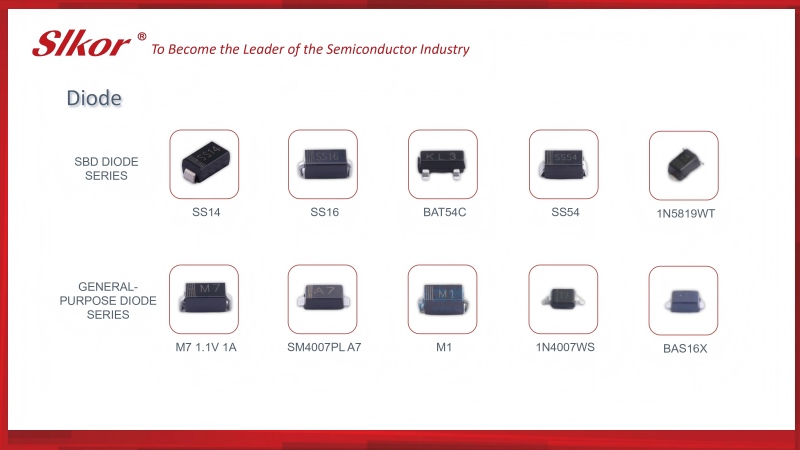
Ar žinote šiuos dvidešimt diodų tipų?
2025-11-19
1285
Šiame straipsnyje pristatomi dvidešimt skirtingų tipų diodai, įskaitant Zenerio diodus, Schottky diodus, ESD, TVS ir perjungimo diodus ir kt.
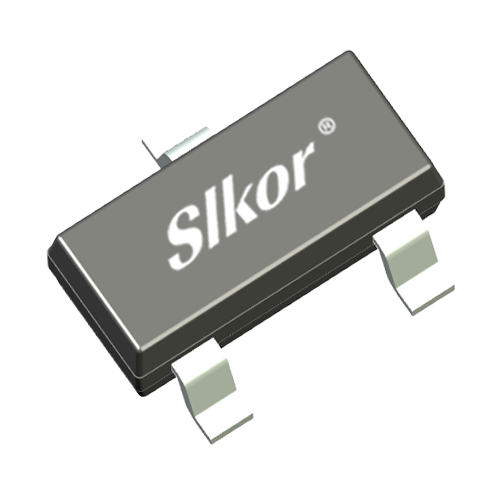
Įvadas į MOSFET SOT-23 paketą
2025-11-14
1359
SOT-23 yra labai dažnas ir plačiai naudojamas paviršinio montavimo puslaidininkių korpusas, ypač tinkantis mažos galios tranzistoriams (įskaitant MOSFET, BJT), diodams ir integrinėms grandinėms.
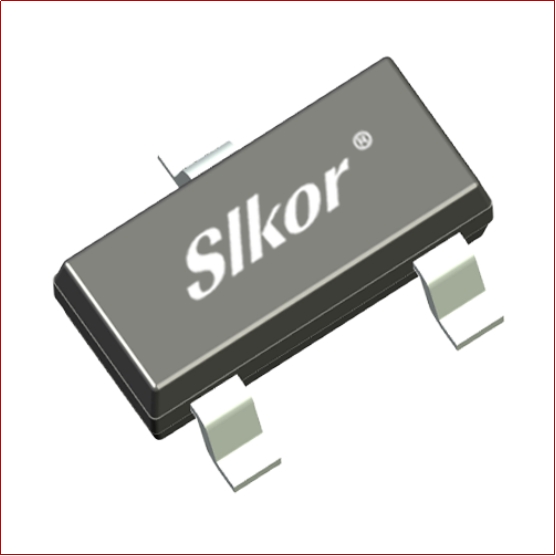
Nematomos jėgos, apčiuopiama elektra: kaip veikia Holo jutikliai?
2025-11-10
1080
Ar kada susimąstėte, kodėl nešiojamojo kompiuterio ekranas išsijungia uždarius dangtelį? Arba kodėl išmaniojo telefono ekranas sukasi jį apvertus? Arba kaip elektromobilio variklis gali taip tiksliai valdyti savo greitį? Visi šie reiškiniai priklauso nuo nežinomo herojaus – Holo jutiklio – darbo.
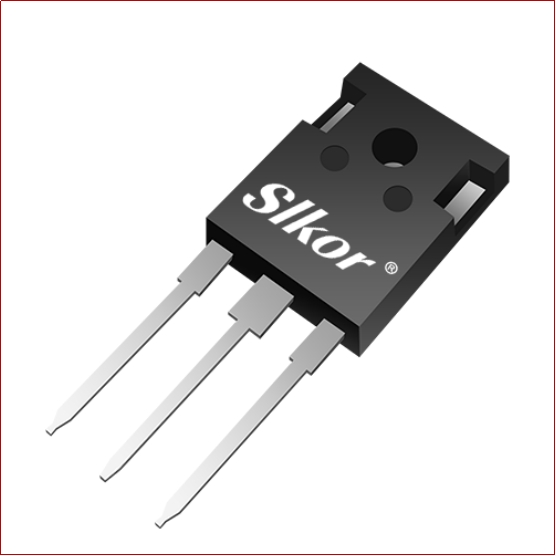
Kuo skiriasi MOSFET ir bipolinis tranzistorius?
2025-11-04
1090
Pasinerdami į elektronikos pasaulį, dažnai susidursite su dviejų tipų komponentais: MOSFETais (metalo-oksido-puslaidininkiniais lauko tranzistoriais) ir įprastais tranzistoriais. Šie komponentai yra būtini elektros srovės tekėjimui valdyti, tačiau jie veikia skirtingais būdais ir atlieka skirtingas funkcijas. Panagrinėkime pagrindinius jų skirtumus.
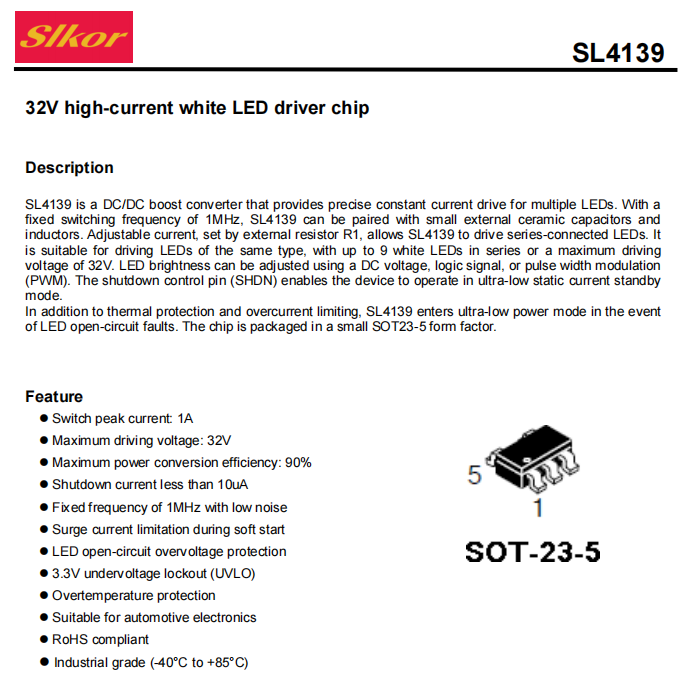
Išsami nuolatinės srovės perjungimo reguliatoriaus ramybės srovės analizė: apibrėžimas, charakteristikos ir taikymas
2025-08-14
1216
Straipsnio apžvalgaŠiame straipsnyje Slkor nagrinėja nuolatinės srovės perjungimo reguliatorių ramybės srovę (IQ)

Kas yra operacinis stiprintuvas?
2025-07-22
2081
Operacinis stiprintuvas (sutrumpintai operacinis stiprintuvas) yra tiesiogiai sujungtas, diferencinio režimo įėjimo, paprastai vienpusis išėjimo didelio stiprinimo įtampos stiprintuvas. Jis gali generuoti išėjimo potencialą (žemės atžvilgiu), kuris yra šimtus tūkstančių kartų didesnis už potencialų skirtumą įėjime. Jis gavo savo pavadinimą, nes iš pradžių daugiausia buvo naudojamas analoginėse skaičiavimo grandinėse, tokiose kaip sudėties ir atimties operacijos.
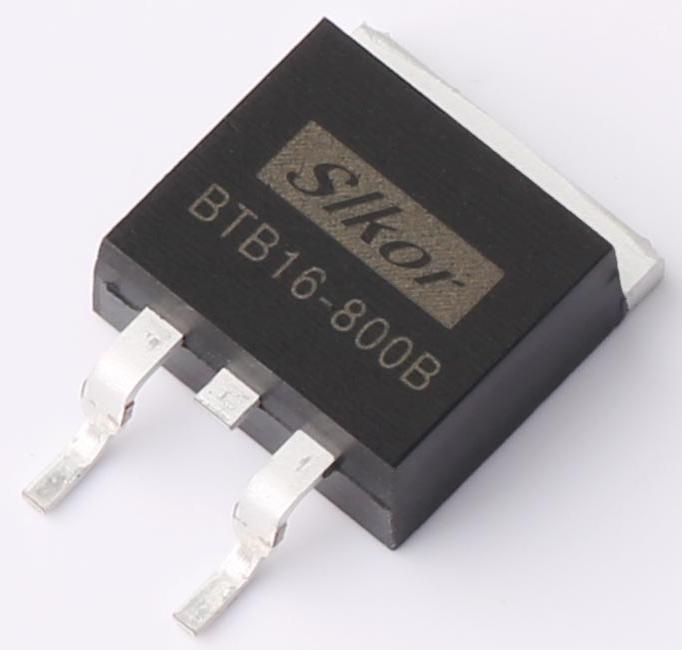
Tiristorių pagrindiniai principai
2025-07-21
2223
Tiristoriaus laidumo sąlygos: pirma, tarp tiristoriaus anodo ir katodo turi būti prijungta tiesioginė įtampa; antra, tiesioginė įtampa taip pat turi būti prijungta prie užtūros.
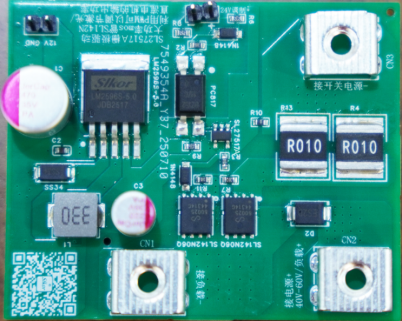
Duomenų keitiklių pagrindinis veikimo principas ir naudojimo būdas
2025-07-21
2205
Duomenų keitiklis yra prietaisas, įrenginys ir elektroninis komponentas. Jo pagrindinė funkcija yra konvertuoti kitų tipų elektros energijos signalus į kito tipo signalus ir gali konvertuoti vieno tipo elektros energijos koeficiento signalą į kitą. Duomenų konvertavimą galima suskirstyti į dvi pagrindines kategorijas: elektros energijos signalo konvertavimą ir elektros energijos koeficiento signalo konvertavimą. Toliau pateikiamas išsamus AMEYA360 elektroninių komponentų pirkimo tinklo pristatymas: pagrindinis duomenų keitiklių veikimo principas ir naudojimo būdas.
Koks yra Holo jutiklio veikimo principas ir kam jis skirtas?
2025-07-21
1972
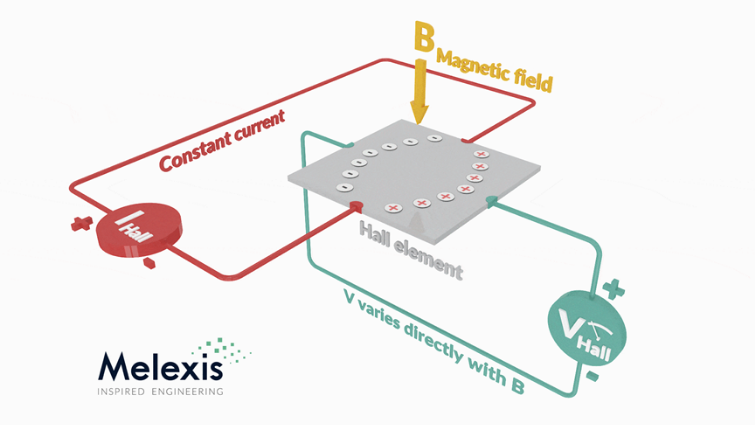
Holo efektą sukelia įkrautų dalelių (pvz., elektronų) atitinkamų elektrinių ir magnetinių laukų sąveika. Norėdami aiškiau ir intuityviau suprasti, galite peržiūrėti toliau pateiktą Holo efekto principo animacinę diagramą.
Elektrostatinės iškrovos (ESD) diodai: nematomi grandinės apsaugos sergėtojai
2025-07-18
1728
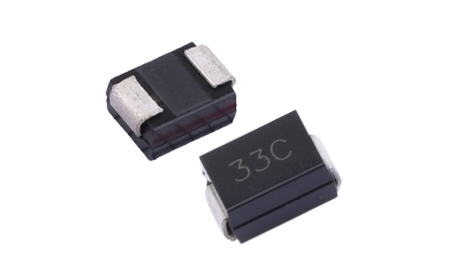
Elektrostatinė iškrova (ESD) – tai reiškinys, kai ant objekto paviršiaus susikaupęs krūvis greitai išsiskiria, pavyzdžiui, „elektros smūgio“ jausmas, kai žmogus paliečia elektroninį prietaisą. Akimirksniu išsiskirianti įtampa gali siekti tūkstančius voltų ar daugiau ir negrįžtamai pažeisti puslaidininkinius lustus. Pavyzdžiui, kai statiniu krūviu įkrautas pirštas paliečia telefono sąsają, ESD srovė gali pažeisti lusto viduje esantį užtūros oksidą per grandinę, todėl įrenginys gali sugesti.
TVS funkcija ir jos apsaugos grandinės veikimo principas bei taikymas
2025-06-19
1943
Šiame straipsnyje nagrinėjamas TVS diodų veikimo principas ir jų platus pritaikymas tokiose srityse kaip apsauga nuo viršįtampių, apsauga nuo ESD ir apsauga nuo žaibo viršįtampių, atskleidžiant jų, kaip pagrindinių grandinės apsaugos komponentų, reikšmingą vertę.
Lustų ėsdinimo mašinų įvaldymas: pagrindinės įžvalgos išmanesnei elektronikos gamybai
2025-05-16
2016
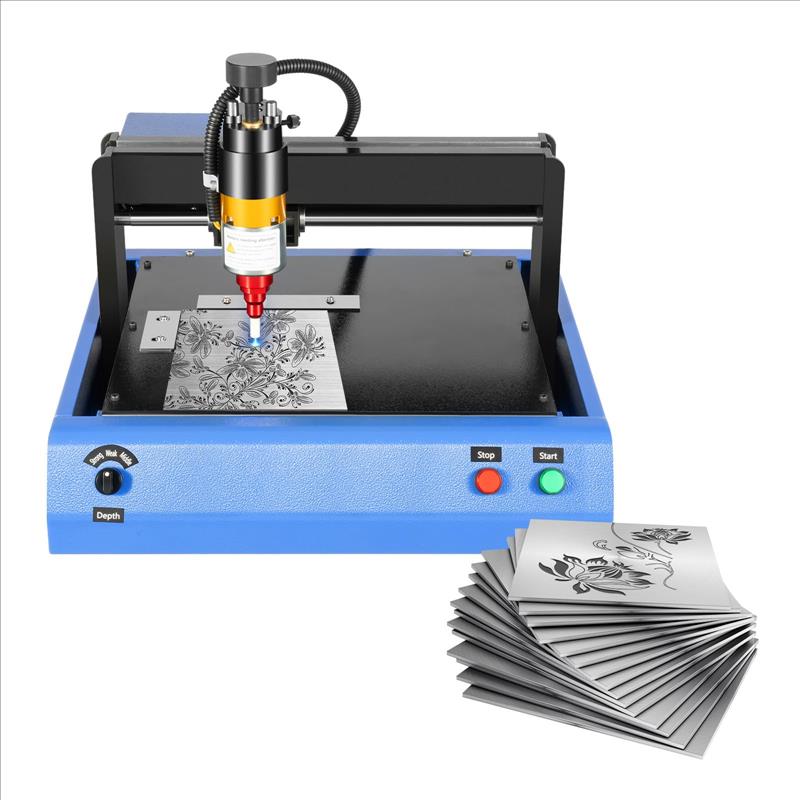
Lustų ėsdinimo mašina yra specializuotas įrankis, naudojamas puslaidininkių gamyboje, skirtas selektyviai pašalinti medžiagą iš silicio plokštelių. Šis procesas, žinomas kaip ėsdinimas, sukuria sudėtingus grandinės modelius, būtinus šiuolaikinei elektronikai. Lustų ėsdinimo mašinos tikslumas užtikrina, kad komponentai atitiktų tikslias projektavimo specifikacijas, todėl ji yra būtina gaminant tokius įrenginius kaip išmanieji telefonai ir kompiuteriai. Skirtingai nuo tradicinių mechaninių metodų, pažangios mašinos naudoja plazmą arba chemines reakcijas, kad būtų pasiektas nanoskalės tikslumas. Pavyzdžiui, tokios įmonės kaip „Applied Materials“ ir „Lam Research“ dominuoja šioje srityje, siūlydamos sistemas, kurios integruoja automatizavimą, kad būtų pasiektas didesnis našumas. Sužinokite daugiau apie puslaidininkių procesus Puslaidininkių pramonės asociacijoje.
Po dvidešimties metų: Arduino yra daug daugiau nei tik Arduino
2025-05-15
1833
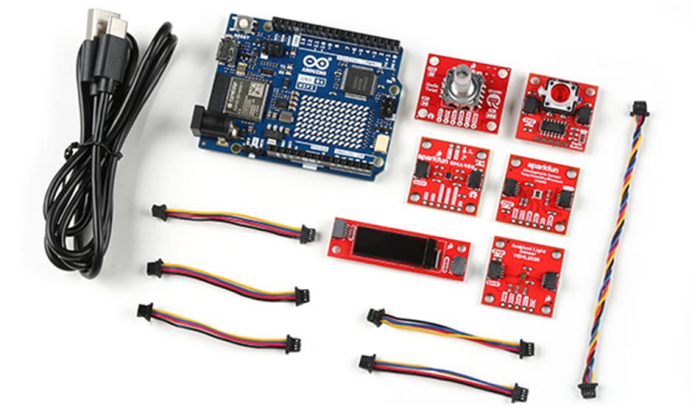
Šiame straipsnyje nagrinėjama „Arduino“ evoliucija nuo atvirojo kodo aparatinės įrangos platformos iki išplėstos ekosistemos, pabrėžiant jos didelį poveikį kelioms sritims.
Lustų dizaino įmonių viduje: inovacijos, skatinančios naujos kartos plataus vartojimo elektroniką
2025-05-13
1776
Lustų projektavimo įmonė specializuojasi integrinių grandynų (IC) brėžinių, naudojamų įrenginiuose – nuo išmaniųjų telefonų iki dirbtinio intelekto sistemų, – kūrime. Šios įmonės, pasitelkdamos tokias priemones kaip elektroninio projektavimo automatizavimas (EDA), konceptualius dizainus paverčia gaminamais maketais. Skirtingai nuo puslaidininkių liejyklų, lustų projektavimo įmonės daugiausia dėmesio skiria inovacijoms, todėl plataus vartojimo elektronikos prekių ženklai gali perduoti sudėtingus mokslinius tyrimus ir plėtrą išorės tiekėjams. Pirkimų komandoms partnerystė su tokiomis įmonėmis užtikrina prieigą prie pažangiausių technologijų be didelių išankstinių investicijų į projektavimo infrastruktūrą.

Nuo projektavimo iki gamybos: kaip plokštelių liejyklos skatina plataus vartojimo elektronikos inovacijas
2025-05-13
1760
Plokščių liejykla yra specializuota įmonė, gaminanti silicio plokšteles – pagrindinį puslaidininkių komponentą. Šios įmonės atlieka labai svarbų vaidmenį gaminant integrinius grandynus (IC), naudojamus tokiuose įrenginiuose kaip išmanieji telefonai, nešiojamieji kompiuteriai ir daiktų interneto įtaisai. Skirtingai nuo integruotų įrenginių gamintojų (IDM), plokštelių liejyklos daugiausia dėmesio skiria gamybai, o tai leidžia plataus vartojimo elektronikos įmonėms ekonomiškai efektyviai keisti dydžius. Procesas apima fotolitografiją, ėsdinimą ir legiravimą, siekiant sukurti sudėtingas grandines ant silicio substratų. Pirkimų komandoms šio tiekimo grandinės etapo supratimas užtikrina geresnes derybas su tiekėjais ir kokybės kontrolę.
OSAT plataus vartojimo elektronikoje: strateginis vadovas tiekimo ir inžinerijos komandoms
2025-05-12
2053
Puslaidininkių surinkimo ir bandymų įmonė, arba puslaidininkių surinkimo ir bandymų įmonė, atlieka itin svarbų vaidmenį elektronikos gamybos ekosistemoje. Šios įmonės specializuojasi paskutiniuose puslaidininkių gamybos etapuose, įskaitant integrinių grandynų (IC) pakavimą ir griežtą jų funkcionalumo bandymą. Plataus vartojimo elektronikos pirkimų ir inžinerijos komandoms puslaidininkių surinkimo ir bandymų įmonės galimybių supratimas užtikrina efektyvų tiekimo grandinės valdymą ir produkto patikimumą.
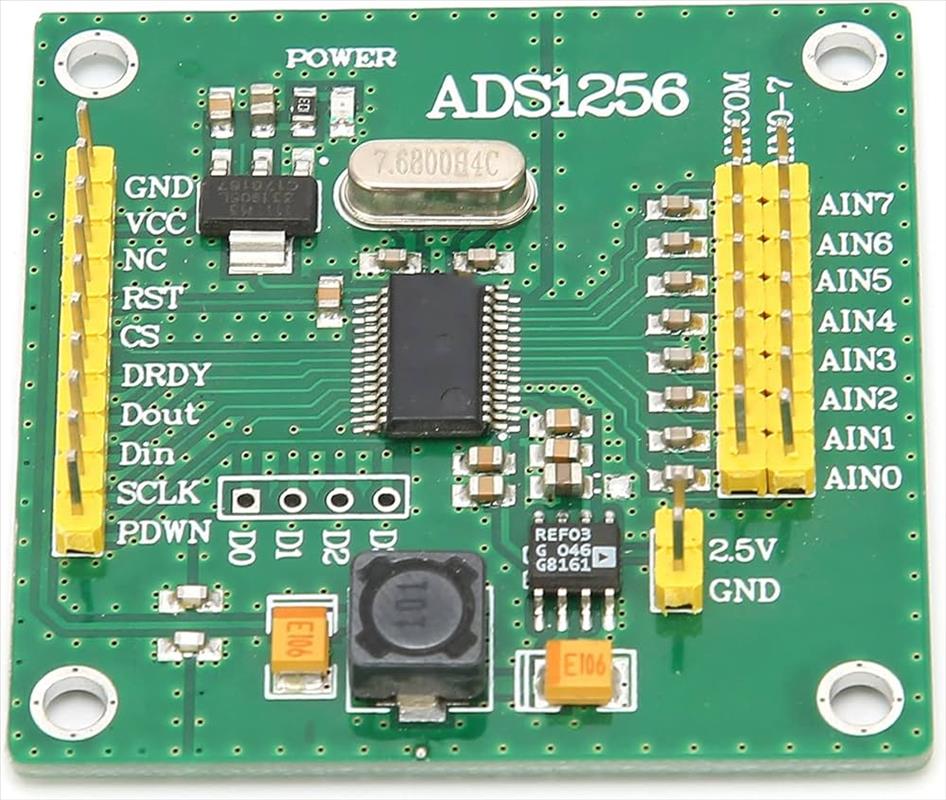
Analoginių-skaitmeninių keitiklių (ADC) paaiškinimas: pagrindinės specifikacijos, taikymas ir pasirinkimo vadovas
2025-05-10
1862
Analoginių-skaitmeninių keitiklių (ADK) supratimas yra būtinas norint optimizuoti gaminių našumą plataus vartojimo elektronikoje. Teikdamos pirmenybę tokiems parametrams kaip skiriamoji geba ir energijos vartojimo efektyvumas, pirkimų ir inžinerijos komandos gali pasirinkti ADK, kurie atitinka techninius ir biudžeto reikalavimus. Norėdami gauti daugiau informacijos, peržiūrėkite IEEE, elektronikos inžinerijos standartų lyderės, išteklius.
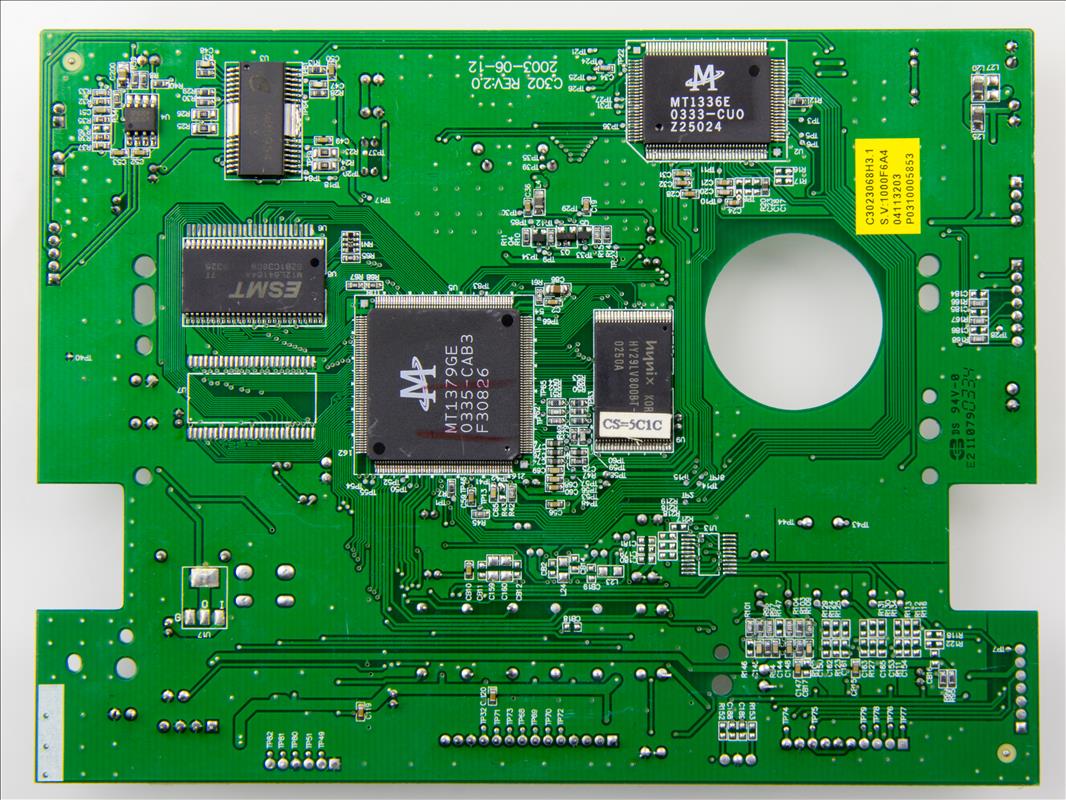
PCB pagrindai: išsamus vadovas elektronikos pirkimų ir inžinerijos komandoms
2025-05-10
2213
Sužinokite viską apie spausdintines plokštes (PCB), įskaitant jų istoriją, charakteristikas, parametrus, vaidmenis, pritaikymą ir pirmaujančius gamintojus. Svarbi literatūra plataus vartojimo elektronikos pirkimų ir inžinerijos komandoms.
Srovės jutimo stiprintuvų ir diferencinių stiprintuvų skirtumų ir charakteristikų analizė
2025-05-08
1944
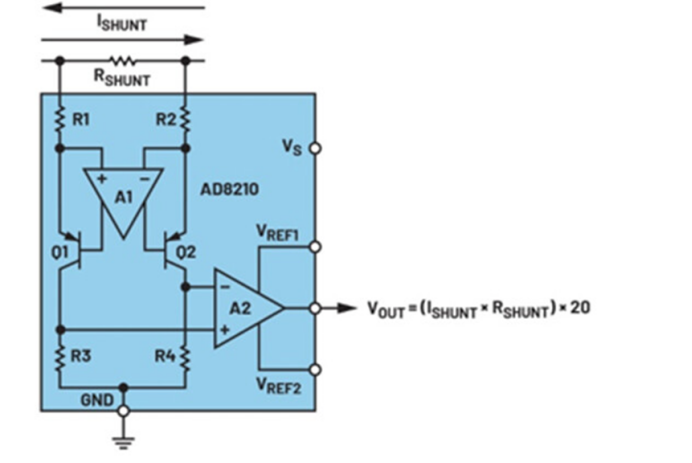
Šiame straipsnyje lyginame srovės jutimo stiprintuvus ir diferencinius stiprintuvus, analizuodami jų architektūras, veikimo charakteristikas ir taikymo skirtumus. Išryškinami srovės jutimo stiprintuvų pranašumai pralaidumo, bendrojo režimo slopinimo santykio (CMRR) ir aukšto dažnio taikymo srityse.





 粤公网安备44030002007346号