

Mohala oa Tšebeletso
Blogs

Blogs

Lipatlisiso ka Huaqiangbei "Shanzhai Phones" (Karolo Ⅱ)
2026-05-18
491
— Song Shiqiang, SlkorDuring the development of Huaqiangbei, "Shanzhai phones" became a topic that could not be ignored. In 2007 alone, the shipment volume of Huaqiangbei Shanzhai phones reached 150 million units, accounting for one-sixth of the world’s total mobile phone production that year. The rise and fall of Shanzhai phones happened rapidly. It created many millionaires from the tiny "one-meter counters" in Huaqiangbei, but it also led to tragic stories, such as the bankruptcy and mental breakdown of "Prince of Shanzhai Phones," Chen Jinling.The Shanzhai phone phenomenon also had a positive side. It helped promote Huaqiangbei’s maker culture, turning Shenzhen into a "Silicon Valley of Hardware" and a "Paradise for Entrepreneurship." It also gave birth to local mobile phone brands such as Meizu, G5, Longcheer, and Transsion. In many ways, it became the foundation of the "Huaqiangbei maker spirit" and the "Shenzhen entrepreneurial spirit."However, the Shanzhai phone industry was also in conflict with the government’s push for intellectual property protection, patent awareness, and brand development at that time. As a result, it stood at the crossroads of market growth, technological innovation, government regulation, economic development, business ethics, and legal construction. Conflicts and failures became almost unavoidable, which is why official media and many economists rarely discussed Huaqiangbei’s Shanzhai phone.Authoritative media and professional institutions, including Harvard Business Review, have studied the cases of MediaTek and the white box handset market using various business analysis models. These include SWOT analysis, Porter’s Five Forces, PESTEL analysis, VRIO analysis, value chain analysis, BCG matrix analysis, Ansoff matrix analysis, and marketing mix analysis.As a long-time witness to Huaqiangbei, I, Song Shiqiang from Kinghelm and Slkor, aim to objectively and truthfully record what I saw and experienced, restoring the real history of Huaqiangbei during that era. By applying basic theories of socioeconomics, I also hope to systematically analyze the deeper logic behind the "Huaqiangbei Shanzhai phone" phenomenon and pay tribute to an era filled with opportunity and rapid economic growth.
Shanzai! MediaTek and the White Box Handset Market Case Study Solution Analysis
Following the previous article by Mr. Song of Slkor, Research on Huaqiangbei Shanzhai Phones (Part Ⅰ), this section continues the discussion on the origin of "Shanzhai," the technological evolution of Huaqiangbei Shanzhai phones, and the two major boom periods of the industry.Ⅳ. The Wealth Miracle of HuaqiangbeiHuaqiangbei Subdistrict in Futian District, Shenzhen, possessed all the favorable conditions for the concentration of wealth and the creation of a large number of millionaires and billionaires — the perfect combination of "timing, location, and people."At the beginning of China’s reform and opening-up, the world was experiencing the third major global industrial transfer, during which manufacturing of industrial products shifted from Europe, the United States, and the Four Asian Tigers to China. This was the "right timing." Shenzhen, as one of China’s first four Special Economic Zones, enjoyed independent legislative authority, highly flexible policies, and a strategic geographic position adjacent to Hong Kong — the "Pearl of the Orient" — while also being close to Southeast Asia, home to many overseas Chinese business communities. This was the "right location." Meanwhile, large numbers of migrant workers from across China poured into Shenzhen. They had received basic education, were hardworking and disciplined, and accepted relatively low wages and benefits, resulting in low labor costs. This was the "right people."Huaqiangbei was famous for its "three abundances" — people, goods, and money. At its peak, Huaqiangbei was home to over 60,000 small and medium-sized enterprises and 40,000 self-employed businesses, with approximately 500,000 daily workers and merchants. During holidays, visitor traffic exceeded 800,000 people, and shoppers often had to queue just to enter malls such as Vanguard Department Store and Women’s World.Annual transaction volume in Huaqiangbei surpassed RMB 300 billion. Transfer fees for just one meter of counter space could reach RMB 300,000, while prime retail properties in SEG Plaza sold for as much as RMB 300,000 per square meter. Although Vanguard Department Store had a business area of only 3,000 square meters, its daily revenue once reached RMB 3 million, making it one of the world’s highest-performing retail spaces in terms of sales per square meter. Over the course of 30 years, Huaqiangbei’s economic output surged from less than RMB 2 billion to RMB 300 billion, transforming the former "Shangbu Industrial Zone" into "China’s No.1 Electronics Street." The GDP of Huaqiangbei Subdistrict in Futian District eventually rivaled that of Yuehai Subdistrict in Nanshan District, one of Shenzhen’s most renowned economic hubs.
Mr. Song of Slkor Summarizes the Wealth Phenomenon of Shenzhen Huaqiangbei
Mr. Cheng Yimu from the Shenzhen Electronics Chamber of Commerce is one of the witnesses to the history of Huaqiangbei. According to him, Huaqiangbei was originally the center of Shenzhen’s electronic information industry. At that time, the Shangbu Industrial Zone, where Huaqiangbei is located, gathered many famous electronics factories and government-affiliated institutions, including Huaqiang Sanyo TV, SED Philips, Jinghua Electronics, SEG Hitachi, and Huaqiang Electronics Factory.After China joined the World Trade Organization (WTO), mainland China rapidly became the "world’s factory." The electronics and information industry experienced explosive growth, and driven by giants such as SEG and Huaqiang, Huaqiangbei quickly rose to become "China’s No.1 Electronics Street."At the same time, in areas beyond the reach of strict government regulation, the power of the gray market also created economic miracles. The Shanzhai phone supply chain quietly developed across the Pearl River Delta before eventually evolving in Huaqiangbei into a powerful industry force. Many outsiders who came to Huaqiangbei to make a living were willing to challenge old rules and embrace disruptive innovation.The rise of Huaqiangbei’s free-market ecosystem was essentially a process of optimizing resources and driving industrial innovation. Some small business owners operating from tiny "one-meter counters" gradually became known as the first "Huaqiangbei makers." The district’s unique business model and profit-sharing culture encouraged ambitious newcomers to experiment, compete, and innovate. In an environment where "anything not forbidden could be tried," Huaqiangbei created its own era of glory.Many people also grew stronger through repeated failures and fierce business competition, eventually becoming well-known entrepreneurs. This is the "Huaqiangbei culture" summarized by Mr. Song of Slkor and Kinghelm — a culture defined by innovation, risk-taking, resilience, and pragmatism.
Huaqiangbei Was Originally a Hub for the Electronics and Information Industry — Photo Provided by Cheng Yimu
Media strategist Wang Zhigang once said, "God releases the devil, but the devil creates paradise." This reflects the sociological theory of "unintended consequences," where an original intention A eventually leads to a completely different result B within a complex and changing social environment.A well-known example is Sildenafil. It was originally developed to treat high blood pressure and angina, but later became famous for treating erectile dysfunction and improving kidney health in traditional Chinese understanding. This theory can also help explain the wealth miracle created by the Huaqiangbei Shanzhai phone industry.Now, I cannot resist giving everyone another serious-but-funny lesson about the Chinese habit of "supplementing" health. Chinese people seem to love "boosting" everything. Men focus on strengthening the kidneys, women focus on nourishing the blood, and many households keep traditional medicines like Liuwei Dihuang Pills and Wuji Baifeng Pills in their drawers. Water cups are often filled with goji berries, red dates, or cassia seeds.Children need extra tutoring, programmers need extra sleep, and elderly people hurry to supermarkets every day to stock up on free eggs for the fridge. It feels as if, without some kind of "supplement," people become mentally uneasy and physically weak.
Back in the peak years of China’s mobile phone industry, aside from the "Zhonghua Kuolian" group — ZTE, Huawei, Coolpad, and Lenovo — almost every other company had a complicated and inseparable connection with the Huaqiangbei shanzhai phone.ODM companies such as Huaqin, Longcheer, Huiye, Wingtech, Yude, HEDY, Haipai, and Tinno built massive businesses during that era, and the founders behind them largely became billionaires. Mobile phone brands including Gionee, GFive, and Transsion helped figures such as Liu Lirong, Zhang Zhixue, and Zhu Zhaojiang rise to fortunes worth billions or even tens of billions of yuan.Shanghai Moshang, a company that profited from providing "shanzhai phone" solutions, was officially registered in Shanghai, yet its manufacturing base and technical ecosystem were still deeply tied to Huaqiangbei. Design firms such as Artop and Jialantu, specializing in mobile phone exterior styling and structural design, were also located in Huaqiangbei. Beyond them were countless influential figures hidden throughout different nodes of the supply chain, whose wealth stories were all closely connected to Huaqiangbei.I has always believed that among all the industries that created billionaires in Huaqiangbei, the "shanzhai mobile phone" wave operated at the highest capacity. It was this era that made Huaqiangbei famous across China and beyond, elevating it to the pinnacle of wealth creation.
In 2012, carrying the modest savings I had accumulated from working in real estate, I returned to Huaqiangbei to seek new opportunities. At that time, Huaqiangbei was bursting with energy. During holidays, the main streets were packed shoulder to shoulder with crowds. Psy’s Korean hit "Gangnam Style" echoed through the streets and alleys, while advertisements for "Being a Woman Feels Great" shapewear underwear covered the walls. After enjoying Damu Chaoshan beef hotpot, many shop owners would head to "Cool Party KTV" for karaoke, and once the mood peaked, everyone would start dancing Psy’s famous "horse-riding dance."In order to break into Huaqiangbei’s high-end business circles, I often dressed like a polished gentleman, pretending to be a wealthy and cultured successful entrepreneur. I drove around in my third-hand BMW, with expired bottles of Moutai stored in the trunk, while enthusiastically explaining theories such as the "Kondratiev Cycle" and the "Fibonacci Golden Curve" to Huaqiangbei’s businesswomen. I even added the ancient business wisdom of Fan Li — "measuring surplus and shortage, distinguishing righteousness from profit" — as a finishing touch. People began to feel that Huaqiangbei still had its share of intellectuals.At first, the Huaqiangbei businesswomen remained cautious, suspecting that I was selling training courses, insurance, direct sales products, or cosmetic surgery services. But by discussing topics such as the characteristics of the integrated circuit industry, large-scale manufacturing, supply chain structures, geopolitical influences, and Huaqiangbei’s role as both an "inventory reservoir" and a critical intersection between production and sales, I gradually summarized several principles for rapidly building wealth in Huaqiangbei. Over time, they began to trust me.One businesswoman followed my theoretical model, made a fortune through electronic component trading, and bought herself a Bentley. She later gave me a Bentley car model as a gift — to clarify, it was a miniature Bentley model car, not a female Bentley sales representative, so don’t get the wrong idea. At that moment, I quietly realized to myself: coming back to Huaqiangbei this time had absolutely been the right decision.
Huaqiangbei has hosted several waves of wealth creation, where even the "one-meter counter" shop owners’ wives caught a glimpse of its fortune trajectory. In the 1980s, it was imported electronic "junk"; in the 1990s, MP3s, MP4s, and computer assembly; today, 3C digital products and trendy electronic gadgets. Recent years have seen shortages of capacitors, resistors, MOSFETs, and memory chips; high demand for brands like Texas Instruments (TI), Silans, and STMicroelectronics; and disruptions from events such as the Thailand floods, the Japan earthquake, and the US-China tariff conflicts — all of which helped Huaqiangbei’s bosses and their wives make substantial profits.After striking their first pot of gold in Huaqiangbei, these entrepreneurs continued to grow and strengthen their businesses. Figures such as Wang Li of Haon Optics, Gao Yunfeng of Han’s Laser, Chen Zhilie of EVOC Intelligent, Cai Huabo of Jiangbolong, Song Shiqiang of Kinghelm and Slkor, Wang Laobao of Interling, and Chen Haisheng of Meilong, have all carved out distinct positions in their respective industries. They grew strong through hands-on experience in Huaqiangbei, driven by its culture of boldness, innovation, resilience, and pragmatism.
"Shanzhai Manufacturing and Maker Entrepreneurs"
Ⅴ. Huaqiangbei Mobile Phone Specialized MarketsThe commercial landscape of Huaqiangbei is primarily composed of three major sectors: daily consumer shopping areas, the "Electronics Street," and specialized markets. Department stores and shopping malls such as Maoye, Rainbow, Dreams-on, and 9square serve consumers within a half-hour living radius. The "Electronics Street" is centered around Huaqiang Electronics Market, SEG Plaza, New Asia, and Metropolis Electronics City. Specialized markets cover sectors like foreign trade clothing, watches, security products, computer malls, telecommunications, and gifts, with over 50 markets exceeding 50,000 square meters at their peak.It is said that Pony Ma initially assembled computers in Huaqiangbei before founding Tencent, and Huang Zhang of Meizu once sold MP3 players there. At the time, Huaqiangbei had several major markets for mobile phones and peripheral products: Yuanwang Digital City on Huaqiang Road, Mingtong Mobile Accessories Market on Huafa North Road, and Tongtiandi, Longsheng, and Feiyang Times Markets in the podium floors (1–3) of Huaken Building on the south side of Shennan Road, which were relatively smaller in scale. Huaqiangbei’s "shop in front, factory in back" model brought together manufacturers of small household appliances and 3C digital products from across the country, alongside nationwide and global sales channels. This convergence of supply chain and distribution networks forms a key hub and is the core competitive strength of Huaqiangbei
At that time, the first to third floors of Yuanwang Digital City in Huaqiangbei were almost entirely filled with stalls selling shanzhai mobile phones. Today, only a few counters remain tucked away in the corners of the second and third floors, but many of the old trading practices are still preserved. Typically, on the glass countertop of a one-meter-wide stall, there would be one or two laminated A4 sheets listing available phone models, specifications, and prices. Deals were negotiated directly at the counter, while bulk deliveries would be arranged at separate locations to ensure security.Yuanwang Digital City mainly sold smuggled Hong Kong-version and U.S.-version phones, as well as refurbished devices. The refurbished brands were primarily Nokia, Motorola, Samsung, and other major international brands. Meanwhile, markets such as Mingtong Mobile Market, Tongtiandi Market, Longsheng Mobile Market, and Feiyang Times Market mainly specialized in shanzhai phones.In Huaqiangbei, almost every type of refurbished phone could be found. Naturally, all device identification codes had already been altered. Matching phone motherboards and compatible software were also readily available. Once the casing and cover panels were assembled, technicians would flash the software onto the device, perform a quick functional test, and the phone was ready for sale. Add a leather case and a few accessories, and the product could immediately be pushed into the market in large quantities.
Shanzhai Mobile Phone Counters in Huaqiangbei
Behind every counter stood a gray-market supply chain. For example, since mobile phones in Hong Kong were often cheaper than those in Huaqiangbei, they were smuggled into Shenzhen through various channels. Along Shatoujiao’s Chung Ying Street — with one side belonging to Hong Kong and the other to Shenzhen — smugglers on the Hong Kong side would hide flip phones inside the inner tubes of off-road bicycles. The bicycles would then be ridden across into Shenzhen, where the phones could be delivered to Huaqiangbei and sold for profit. A 26-inch bicycle inner tube could conceal up to 25 mobile phones.Refurbished phone motherboards for brands such as Nokia were collected from developed countries and secretly transported into China through various channels. Meanwhile, the domestic supply chain already had complete support for phone casings, numeric keypads, and related accessories.Of course, some counters and merchants specialized in spare parts for feature phones and 3C digital products, while others focused on repairs and after-sales service. I remember that the after-sales repair centers for ZTE phones and Philips phones were located in SEG Science & Technology Park and the Modern Window Building respectively.
Slkor ISO9001 Quality System & ISO14001 Environmental System Certification
The business conducted through Huaqiangbei’s "one-meter counters" was supported by a massive sales network behind the scenes. There were distribution and agency channels reaching across mainland China, as well as international trading networks built over many years. One unique phenomenon was the "Huaqiangbei backpackers" — buyers from all over the world carrying backpacks as they came to Huaqiangbei for sourcing, purchasing, or bulk procurement. According to unofficial statistics, during its peak period, as many as 7,000 foreign visitors came to Huaqiangbei every day to purchase goods, inspect products, or place wholesale orders.Large quantities of shanzhai phones and other 3C digital products from Huaqiangbei were continuously exported to countries and regions such as India, Vietnam, the Philippines, Africa, and South America. This extensive sales network, in turn, drove the growth of a complete industrial chain behind Huaqiangbei’s 3C digital products, including repair services, upgrades, accessories, and related support industries. Products such as Bluetooth earphones, mobile phone leather cases, screen protectors, and refurbished laptops became increasingly comprehensive, while constant upgrades and iterations kept the market aligned with the latest trends.In the early days, the production cost of a Huaqiangbei shanzhai phone was around 700 to 800 RMB per unit, while the selling price could exceed 1,000 RMB. With larger production volumes, costs dropped further and profits became even more substantial. Around 2012, however, high-end smartphones led by Apple and Samsung emerged, and Huaqiangbei’s shanzhai phone supply chain struggled to keep pace technologically. Many companies could only barely survive.Then came Xiaomi, founded by Lei Jun, with the Redmi smartphone launching at a shockingly low price of 799 RMB. It rapidly captured most of the market previously occupied by Huaqiangbei’s shanzhai phones, dealing the industry a devastating blow and effectively sending it into the ICU. Huaqiangbei’s shanzhai phone businesses were left with only a few choices: move elsewhere, upgrade and transform themselves, or be completely swept away by the tide of the market.
Ⅵ. The Gray Ecosystem of "Huaqiangbei Shanzhai Phones"Huaqiangbei has always carried a kind of inherited "Shanzhai DNA." In its early days, the SEG Electronics Market mainly sold assembled computers and peripheral products, and a very high proportion of components were either Shanzhai (third-party) or refurbished parts. People in the industry even had a specific name for Shanzhai computers—they called them "compatible machines."It is said that the founder of the Hedy computer brand started his business by selling these compatible machines in Huaqiangbei. The founder of Hasee Computer, Wu Haijun, also reportedly began by trading hard drives in the same area. At that time, the Shanzhai computer market mainly revolved around refurbished motherboards from brands like GIGABYTE, Acer, and ASUS, along with second-hand memory modules from Samsung and Kingston, and hard drives from Seagate. These low-cost but functional combinations made the business extremely active and gradually formed a gray ecosystem centered in Huaqiangbei and spreading across the Pearl River Delta.In the early stage of Shanzhai mobile phones, peripheral industries were still relatively limited. However, with the rise of smartphones, the ecosystem quickly expanded. Early smartphones such as iPhones were fragile and had weak battery life, which directly led to the rapid growth of supporting industries like protective cases and power banks. At the same time, companies developing charging chips and related components also emerged.As smartphones became more powerful and mobile applications (apps) exploded in popularity, the peripheral product ecosystem continued to expand. A complete commercial loop formed around accessories such as charging cables, phone straps, and decorative items, and these booths became extremely profitable.In 2013, while I was running a Hong Kong-style tea restaurant near Foxconn in Longhua—trying to scale Hong Kong-style milk tea using a McDonald’s-style chain model across China—I noticed that some Foxconn employees were quietly involved in unusual activities.Their operation model was roughly like this: during night shifts, employees involved in pilot production would secretly take out prototype Apple devices. Accomplices waiting outside would collect them, quickly pass them to nearby manufacturers for molding, duplication, and parameter replication, and then return the samples before the morning shift change. Because of this, within just a few days of a new iPhone launch, Huaqiangbei could already produce Shanzhai versions of the same model, along with a complete set of matching accessories.Core components such as Shanzhai phone motherboards, due to their high value and higher risk, were traded in a much more hidden and mobile manner. Behind this chain, there was often a key "underworld big boss" who acted as an intermediary, organizing relationships, controlling resources, and stabilizing prices to protect profit margins while also ensuring the safety of participants. Each link in the chain typically maintained single-line contact to reduce exposure.These motherboards were often transported in vans such as JAC or Jinbei minibuses, which would continuously circulate around major Huaqiangbei mobile phone markets. Transactions would be finalized inside the vehicle or after the vehicle stopped nearby once a deal was agreed.A friend who ran an SMT assembly factory once told me that at the peak of the Shanzhai phone era, each motherboard he processed generated a net profit of about 15 RMB. His factory could produce around 10,000 units per day, bringing in about 150,000 RMB daily. When the cash was collected, he felt an almost overwhelming sense of achievement, like becoming the pride of his hometown. This situation lasted for several months. Later, as money accumulated too quickly, he even began to worry about whether he could "hold onto it," and eventually considered withdrawing from the industry entirely.
In the Chinese TV drama The Knockout, Gao Qiqiang says, "The bigger the storm, the more expensive the fish." The same was true for the shanzhai phone industry centered around Huaqiangbei’s supply chain ecosystem. Those who entered early and timed the market correctly became wealthy, creating countless millionaires and billionaires. Others, however, suffered devastating failures — some lost both their businesses and families, like Chen Jinling; some were framed or sabotaged by rivals and ended up in prison "working the sewing machines," like a certain mobile phone tycoon surnamed Zhang who had once come from ZTE.As more and more people flooded into the industry chasing profits, the methods became increasingly ruthless, and the reality grew harsher. There were even stories of buyers hiring gangsters armed with knives and guns to seize shipments of certain motherboard models at the Feiyang Shidai Market in order to monopolize supply. Meanwhile, the former SMT factory owner mentioned earlier now spends his time posting photos on WeChat Moments of fishing trips, sunshine, and outings with his young girlfriend.Behind Huaqiangbei’s shanzhai phone industry stood not only underground players, but also major mainstream technology companies. Around 2006, MediaTek and Spreadtrum Communications introduced turnkey solutions for shanzhai mobile phones in Huaqiangbei. At the same time, suppliers such as GalaxyCore with its CMOS image sensors, RDA Microelectronics with the RDA5800 chip integrating RF and digital processing functions, along with Telegent Systems and FocalTech, all shipped products in massive volumes through Huaqiangbei.In 2013, Maxscend developed a low-power GPS LNA solution that was first tested and validated in several shanzhai smartphones in Huaqiangbei before eventually entering Samsung’s official supply chain. In many ways, Huaqiangbei’s shanzhai ecosystem also helped nurture and accelerate the growth of China’s electronics industry.Of course, not everyone involved in the shanzhai phone business made money. The owner of Hongfu Chaoshan Restaurant on Huaqiang South Road sold his restaurant and invested everything into the declining shanzhai phone market, only to lose it all in the end. I still remember the excellent taste of their braised beef brisket hotpot with tofu skin, and the owner’s warm smile as he handed me cigarettes.Chen Jinling, once nicknamed the "Prince of Huaqiangbei Shanzhai Phones," attempted to monopolize a best-selling phone model by stockpiling huge amounts of inventory. After his cash flow collapsed, his family fell apart and his mental state deteriorated. Today, he is often seen wandering aimlessly around Huaqiangbei.Song Shiqiang from Kinghelm and Slkor will soon release Research on Huaqiangbei "Shanzhai Phones" (Part Ⅲ) — stay tuned!
Slkor Hall Sensor SL1613SH for Industrial and Consumer Electronics
Author IntroductionMr. Song is a popular science lecturer of the Chinese Institute of Electronics, a member of the Electronic Information Expert Database of the China Association for Science and Technology, a science columnist, and a well-known researcher of Huaqiangbei’s commercial ecosystem.The companies he invests in and operates include Shenzhen Slkor Semiconductor Co., Ltd. and Shenzhen Kinghelm Electronics Co., Ltd.. The brands "SLKORSLKOR"matshwao. E ne e le e mong wa ba pele ba ho hlalosa le ho kgothaletsa mehopolo ya "Moya wa Huaqiangbei" le "Setso sa Huaqiangbei." Jwalo ka setsebi sa setso, o ile a hlophisa mekgwa ya bohwebi e iketsahallang ya Huaqiangbei hore e be moralo o hlophisitsweng wa thuto. O ntlafalitse moelelo oa setso ka litekanyetso tse 'ne tsa bohlokoa: sebete sa ho nka likotsi, boqapi, ho mamella le ho sebetsa ka nepo. O boetse a akaretsa tsela ea ntlafatso ea indasteri ea Huaqiangbei e le "ho etsisa - ntlafatso - boqapi," 'me a etsa tlhahiso ea hore "khaontara e' ngoe le e 'ngoe ea mithara" ho Huaqiangbei ha e le hantle ke "yuniti ea boqapi," e emelang polelo e nyane ea moea oa bo-rakhoebo. Ka ho lemoha bohlokoa ba barekisi ba banyenyane le ba banyenyane e le "li-capillaries" tse mafolofolo tsa tsamaiso ea moruo, o thusitse ho hlasimolla matla a boqapi ba tikoloho eohle. Ho phaella moo, o ile a hlahisa mohopolo oa ho pholoha oa Huaqiangbei: "matlotlo a bobebe, phetoho e potlakileng, phetoho e phahameng, le ts'ebetso e tsamaisoang ke tlhahisoleseling," mme ka boqapi a hlahisa khopolo-taba ea Huaqiangbei e le "pokello ea ketane ea phepelo." Khopolo-taba ena e hlalosa kamoo Huaqiangbei e sebelisang thepa e bolokiloeng e le tšireletso ho laola bokgoni ba tlhahiso bo nyolohang, ho bapisa phepelo le tlhoko ka katleho, le ho fokotsa likotsi tsa indasteri tse akaretsang. Khopolo ena e fetohile e 'ngoe ea meralo ea motheo ea ho ithuta nts'etsopele e potlakileng ea indasteri ea lisebelisoa tsa elektroniki ea Chaena kamora phetoho le ho buloa. Tlas'a boetapele ba hae, Kinghelm Electronics o 'nile a ameha ka botebo theknolojing ea antenna ea ho tsamaisa ea Beidou/GPS, a kenya letsoho nts'etsopele ea litsamaiso tse ikemetseng tsa ho tsamaisa le ho beha maemo tsa Chaena. Slkor Semiconductor e shebane le disebediswa tsa motlakase tsa silicon carbide, tse atolohang ka potlako masimong a kang dikoloi tse ntjha tsa eneji le di-photovoltaics. Hammoho, mabitso ana a mabeli a sebeletsa bareki ba fetang 30,000 lefatšeng ka bophara 'me a fetohile matšoao a emelang tlhahiso e bohlale ea Chaena e eang lefatšeng ka bophara. Ho phaella moo, liwebsaete tsa semmuso tsa Sechaena le Senyesemane tsa Kinghelm le Slkor li qalile kholomo e reng "Ho Buisana le Bo-rakhoebo ba 100 ba Ikhethang Indastering ea Tlhahiso ea Elektroniki," ho khothaletsa mabitso a semiconductor le likarolo tsa elektroniki tsa Sechaena 'marakeng oa lefats'e le ho khothaletsa likhoebo tse tsoang Huaqiangbei ho nka karolo tlholisanong ea machaba.
Motsamaisi Kakaretso Mong. Song o kgethilwe ho ba Morupeli sehlopheng sa Litsebi sa Setsi sa Chinese sa Elektroniki Monghadi. Song ke morupeli oa ho tsebahatsa saense lefapheng la tlhahisoleseling ea elektroniki hape ke mongoli oa likoranta indastering ena. Ka li-platform tse fapaneng tsa inthanete, o phatlalatsa lingoloa tse hlahisang pale ea phetoho le ntlafatso ea Huaqiangbei ho bamameli ba lefats'e ka bophara. Lipatlisiso tsa hae li sebetsa ho Huaqiangbei, ho kenyeletsoa "Patlisiso ka Huaqiangbei," "Phetoho le Nts'etsopele ea Huaqiangbei," le "Ho Hanyetsa Tlaleho ea Bloomberg ka Huaqiangbei," li phatlalalitsoe haholo ke li-platform tse kholo tsa mecha ea litaba tse kang sesebelisoa sa People's Daily Online, Xinhua News Agency, Associated Press, le Yahoo News. Ka lingoliloeng tsena, Huaqiangbei e fetotsoe ka katleho ho tloha khopolo-taba ea eona ea pele e le "setsi sa kabo sa Shanzhai" ho ea boitsebisong bo bocha e le "mohloli oa boqapi ba lisebelisoa tsa lefats'e." Monghali. Song o bapetse karolo e mafolofolo e le mopheti le mofetisi oa machaba oa setšoantšo sa Huaqiangbei, a kenya letsoho ntlafatsong ea botumo ba hae ba lefats'e le kananelo.
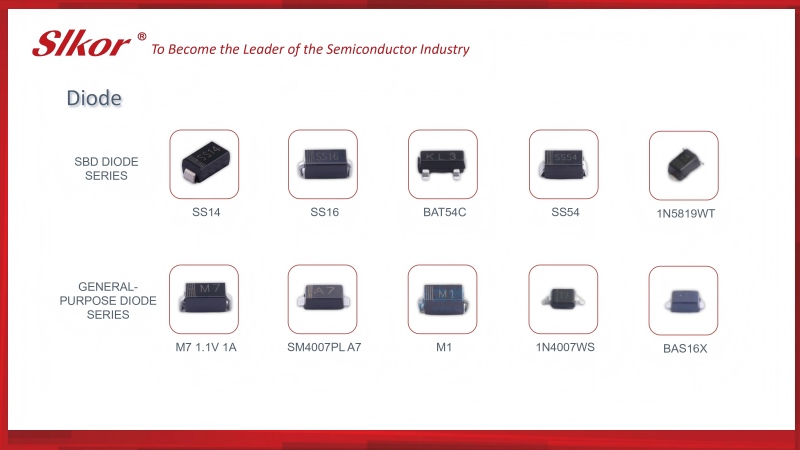
Na U Tseba Mefuta ee ea Mashome a Mabeli a Diode?
2025-11-19
1282
Sengoliloeng sena se hlahisa mefuta e mashome a mabeli e fapaneng ea diode, ho kenyelletsa le diode tsa Zener, Schottky diode, ESD, TVS le Switching diode, jj.
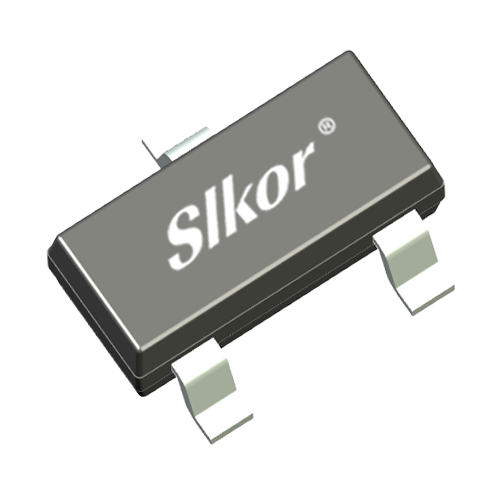
Kenyelletso ea MOSFET SOT-23 Package
2025-11-14
1358
SOT-23 ke sephutheloana sa semiconductor se tloaelehileng haholo ebile se sebelisoa ka bongata, se loketseng li-transistors tse nang le matla a tlase (ho kenyeletsoa li-MOSFET, BJTs), diode le li-circuits tse kopaneng.
Matla a sa Bonahaleng, Motlakase o Bonahalang: Li-sensors tsa Holo li sebetsa Joang?
2025-11-10
1077
Na u kile ua ipotsa hore na ke hobane'ng ha skrine ea laptop ea hau e tima ha u koala sekoahelo? Kapa ke hobane'ng ha skrine ea smartphone ea hau e potoloha ha u e phethola? Kapa ke joang enjene ea koloi ea motlakase e ka laolang lebelo la eona ka nepo hakaale? Liketsahalo tsena kaofela li itšetlehile ka mosebetsi oa mohale ea sa kang a opeloa—sensa sa Holo.
Phapano ke Efe Pakeng tsa MOSFET le Bipolar Transistor?
2025-11-04
1085
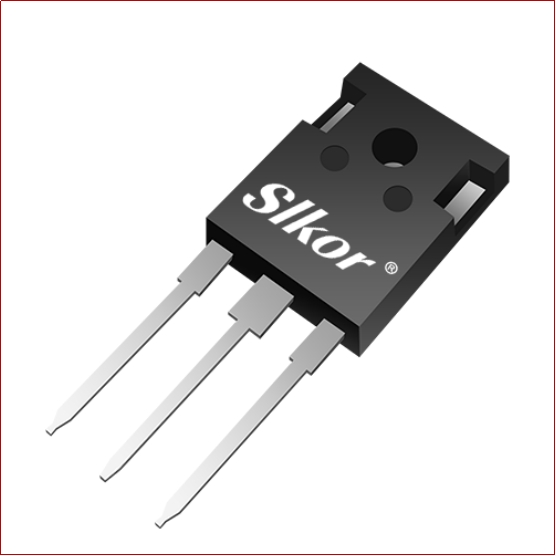
Ha u ikakhela lefatšeng la lisebelisoa tsa elektroniki, mefuta e 'meli ea likarolo tseo u tla kopana le tsona hangata ke li-MOSFET (Metal-Oxide-Semiconductor Field-Effect Transistors) le li-transistors tse tloaelehileng. Likarolo tsena ka bobeli li bohlokoa bakeng sa ho laola phallo ea motlakase, empa li sebetsa ka mekhoa e fapaneng mme li sebeletsa merero e fapaneng. A re hlahlobeng phapang e khōlō pakeng tsa bona.
Tlhahlobo e Tebileng ea DC-DC Switching Regulator Quescent Current: Tlhaloso, Litšobotsi, le Likopo
2025-08-14
1215
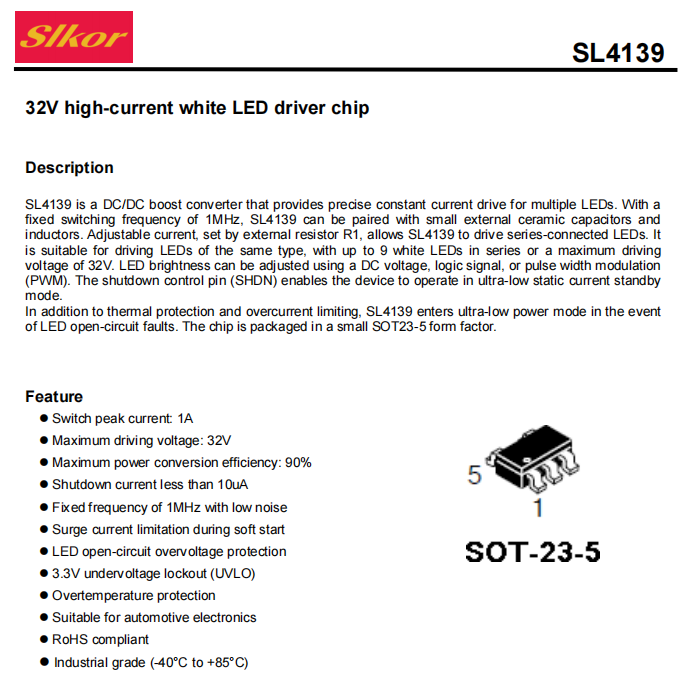
Kakaretso ea SengoloaSehloohong sena, Slkor o hlahloba motlakase o khutsitseng (IQ) oa taolo ea phetoho ea DC-DC

Amplifier e sebetsang ke eng?
2025-07-22
2080
?An Operational Amplifier (e khutsufalitsoeng e le op-amp) ke sehokahanyi se kopaneng, se fapaneng, hangata se hlahisoang se le seng se nang le matla a phahameng a phaello. E ka hlahisa bokhoni ba tlhahiso (e amanang le mobu) e kholo ka makhetlo a likete tse makholo ho feta phapang e ka bang teng ho kenyeletso. E na le lebitso la eona hobane qalong e ne e sebelisoa haholo ho li-circuits tsa khomphutha tsa analog joalo ka ts'ebetso ea ho eketsa le ho tlosa.
Melao-motheo ea mantlha ea Thyristors
2025-07-21
2221
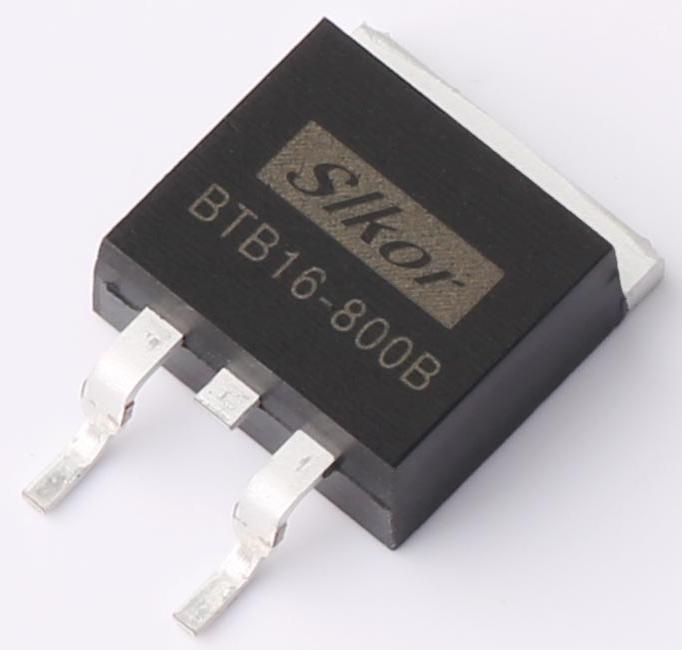
Maemo a conduction a Thyristor: Ntlha ea pele, motlakase o ka pele o tlameha ho sebelisoa pakeng tsa anode le cathode ea thyristor; ea bobeli, motlakase oa pele o boetse o tlameha ho sebelisoa hekeng.
Molao-motheo oa Ts'ebetso le Mokhoa oa Ts'ebeliso ea Bafetoleli ba Lintlha
2025-07-21
2203
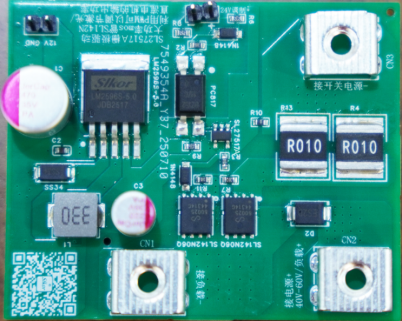
?Data converter ke sesebediswa, sesebediswa, hape ke karolo ya elektroniki. Mosebetsi oa eona o ka sehloohong ke ho fetolela mefuta e meng ea matšoao a matla a motlakase ho ea ho mofuta o mong, 'me e ka fetolela mofuta o mong oa lets'oao la matla a motlakase ho a mang. Phetoho ea data e ka aroloa ka mekhahlelo e 'meli e meholo: phetoho ea lets'oao la matla a motlakase le phetoho ea lets'oao la matla a motlakase. E latelang ke kenyelletso e qaqileng ea AMEYA360 Electronic Component Purchasing Network: molao-motheo oa motheo oa ho sebetsa le mokhoa oa ho sebelisa li-converter tsa data.
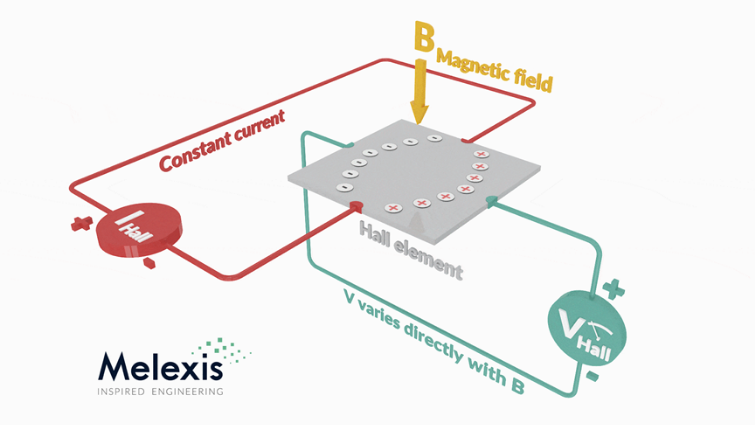
Molao-motheo oa sensor ea Holo ke eng mme ts'ebeliso ea eona ke efe?
2025-07-21
1971
Phello ea Holo e bakoa ke tšebelisano pakeng tsa matla a motlakase le a makenete a likaroloana tse qosoang (tse kang lielektrone). Bakeng sa kutloisiso e hlakileng haholoanyane le e hlakileng, o ka sheba setšoantšo sa animation ea molao-motheo oa Holo o ka tlase.
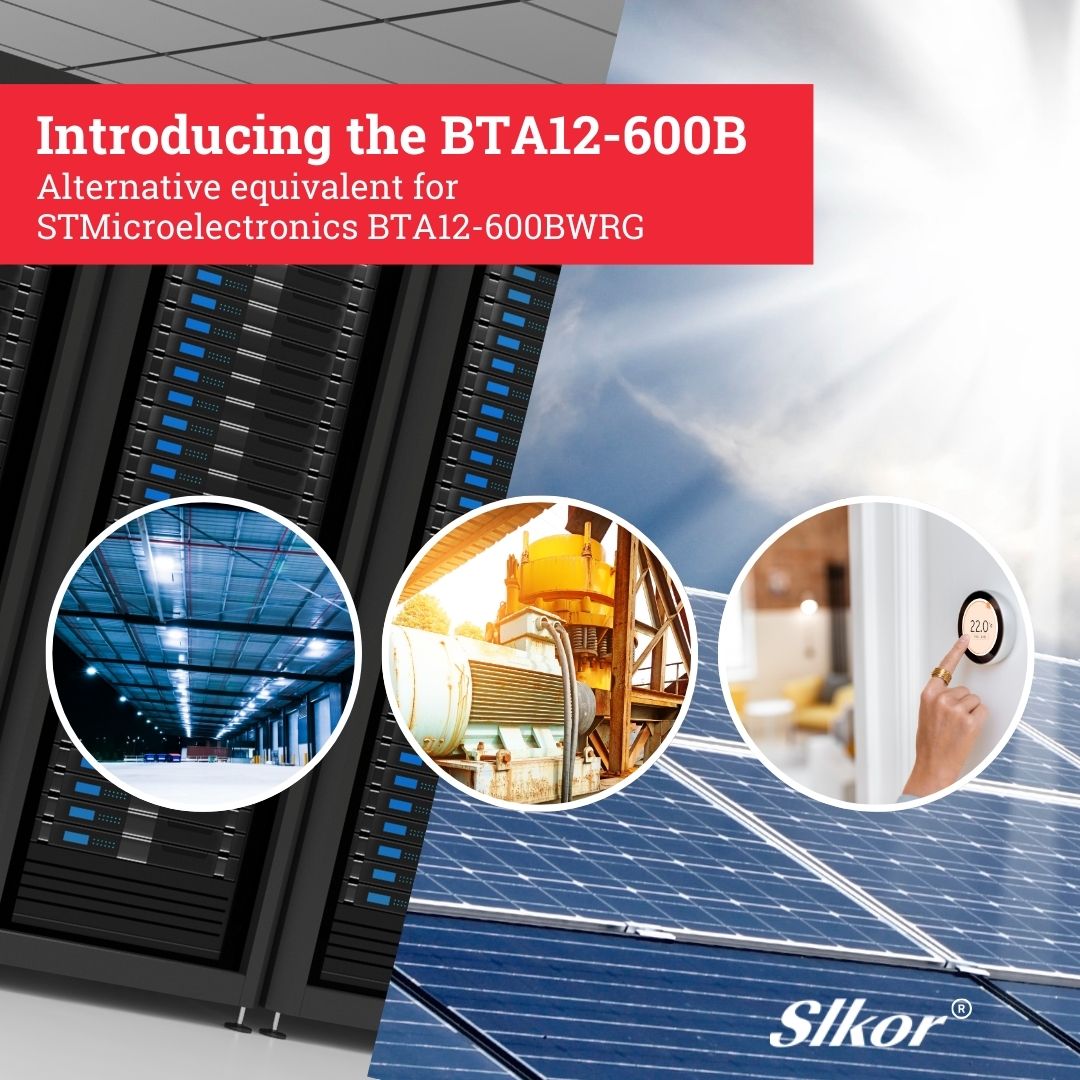
Electrostatic Discharge (ESD) Diodes: Balebeli ba sa Bonahaleng ba Tšireletso ea Potoloho
2025-07-18
1727
Ho ntsha motlakase ka motlakase (ESD) ke ketsahalo eo ho yona tjhaja e bokellaneng hodima ntho e lokollwang ka potlako, jwalo ka maikutlo a "ho tshoha ha motlakase" ha motho a ama sesebediswa sa elektroniki. Motlakase o lokollwang ka nako e le nngwe o ka fihla ho diketekete tsa di-volt kapa ho feta, e leng se bakang tshenyo e sa feleng ho di-chip tsa semiconductor. Mohlala, ha monwana o tjhajwang ka motlakase o ama sebopeho sa fono, motlakase wa ESD o ka senya oxide ya gate ka hare ho chip ka hara potoloho, e leng se lebisang ho hloleheng ha sesebediswa.
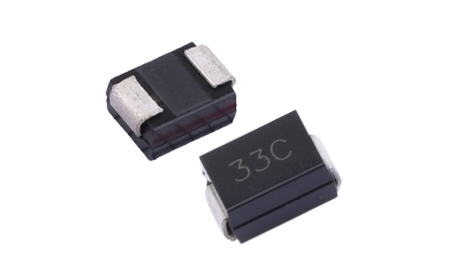
Mosebetsi oa TVS le Molao-motheo o Sebetsang le Tšebeliso ea Potoloho ea Tšireletso ea Eona
2025-06-19
1943
Sengoliloeng sena se hlahloba molao-motheo oa ts'ebetso oa li-diode tsa TVS le mefuta e mengata ea lits'ebetso tsa tsona libakeng tse kang ts'ireletso ea overvoltage, ts'ireletso ea ESD, le ts'ireletso e matla ea lehalima, e senola bohlokoa ba tsona e le likarolo tsa mantlha tsa ts'ireletso ea potoloho.
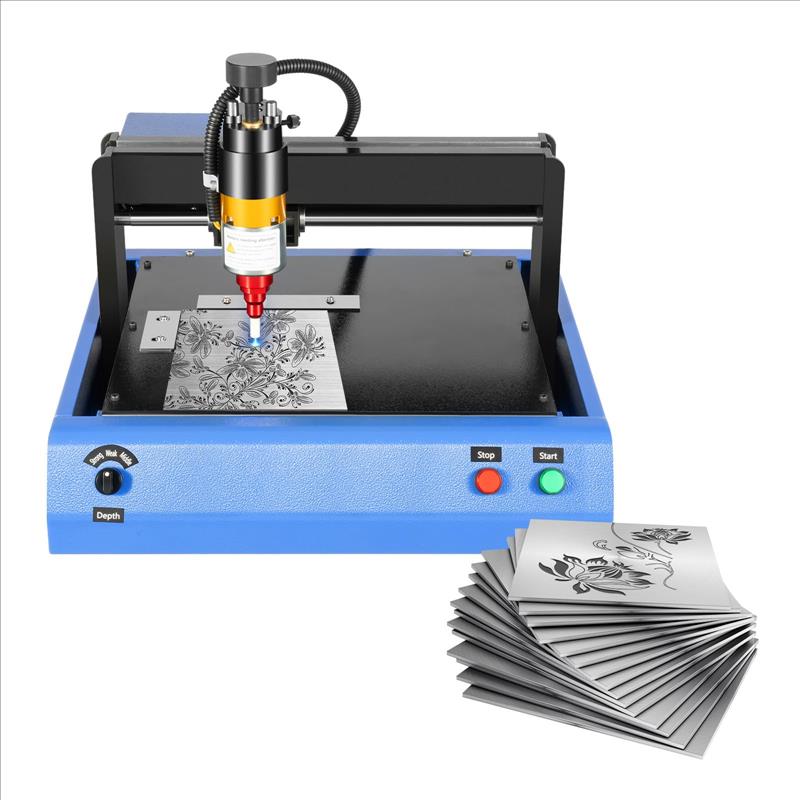
ho tseba Mechini ea ho Etching ea Chip: Lintlha tsa Bohlokoa bakeng sa Tlhahiso e Bohlale ea Elektroniki
2025-05-16
2015
Mochini oa chip etching ke sesebelisoa se ikhethileng se sebelisoang tlhahisong ea semiconductor ho tlosa thepa ka mokhoa o ikhethileng ho li-wafers tsa silicon. Ts'ebetso ena, e tsejoang e le etching, e theha mekhoa e rarahaneng ea potoloho e hlokahalang bakeng sa lisebelisoa tsa elektroniki tsa sejoale-joale. Ho nepahala ha mochini oa chip etching ho netefatsa hore likarolo li kopana hantle le litlhaloso tsa moralo, e leng se etsang hore e be sa bohlokoa haholo ho hlahiseng lisebelisoa tse kang li-smartphone le likhomphutha. Ho fapana le mekhoa e tloaelehileng ea mochini, mechini e tsoetseng pele e sebelisa plasma kapa karabelo ea lik'hemik'hale bakeng sa ho nepahala ha nanoscale. Ka mohlala, lik'hamphani tse kang Applied Materials le Lam Research li laola tšimo ena, li fana ka litsamaiso tse kopanyang li-automation bakeng sa ho feta. Ithute haholoanyane ka lits'ebetso tsa semiconductor ho Semiconductor Industry Association.
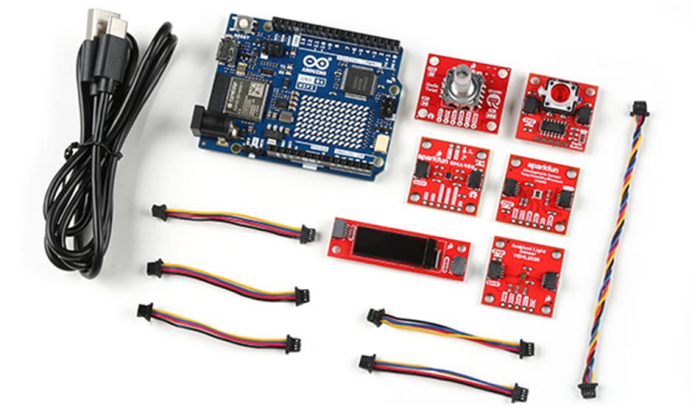
Lilemo tse mashome a mabeli hamorao: Arduino e Hole ho Feta Arduino Feela
2025-05-15
1831
Sengoliloeng sena se hlahloba tsoelo-pele ea Arduino ho tloha sethaleng sa lisebelisoa tse bulehileng ho ea ho ecosystem e atolositsoeng, e totobatsang tšusumetso ea eona e tebileng libakeng tse ngata.
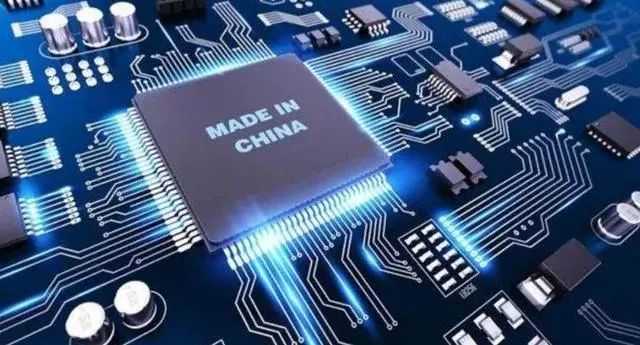
Ka hare ho Lik'hamphani tsa Moralo oa Chip: Litlhahiso tse Matlafatsang Next-Gen Consumer Electronics
2025-05-13
1774
Khamphani ea chip design e sebetsa ka ho khetheha ho theheng meralo e kopaneng ea potoloho (IC) e sebelisoang lisebelisoa ho tloha ho li-smartphones ho isa ho litsamaiso tsa AI. Lifeme tsena li fetola meralo ea mohopolo hore e be meralo e ka hlahisoang, lisebelisoa tse matlafatsang joalo ka elektroniki design automation (EDA). Ho fapana le li-semiconductor foundries, lik'hamphani tsa meralo ea li-chip li shebana feela le boqapi, tse nolofalletsang lisebelisoa tsa elektroniki tsa bareki ho fana ka R&D e rarahaneng. Bakeng sa lihlopha tsa ho reka thepa, ho sebelisana le lifeme tse joalo ho netefatsa phihlello ea theknoloji ea maemo a holimo ntle le matsete a boima a pele ho meaho ea moralo.
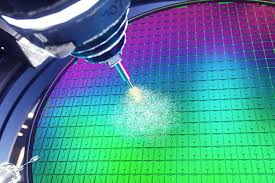
Ho tloha ho Moralo ho ea Tlhahisong: Kamoo Wafer Foundries e Khannang Consumer Electronics Innovation
2025-05-13
1758
Wafer foundry ke setsi se ikhethileng se etsang li-wafers tsa silicon, e leng karolo ea motheo ea li-semiconductors. Mehaho ena e bapala karolo ea bohlokoa ho hlahiseng li-circuits (ICs) tse sebelisoang lisebelisoa tse kang li-smartphones, lilaptop le lisebelisoa tsa IoT. Ho fapana le baetsi ba lisebelisoa tse kopaneng (li-IDM), li-wafer foundries li shebana feela le boqapi, e leng ho nolofalletsang lik'hamphani tsa lisebelisoa tsa elektroniki tse bolokang chelete e ngata. Ts'ebetso ena e kenyelletsa photolithography, etching, le doping ho theha lipotoloho tse rarahaneng holim'a li-silicon substrates. Bakeng sa lihlopha tsa thepa, ho utloisisa mohato ona oa phepelo ea thepa ho netefatsa lipuisano tse betere tsa barekisi le taolo ea boleng.
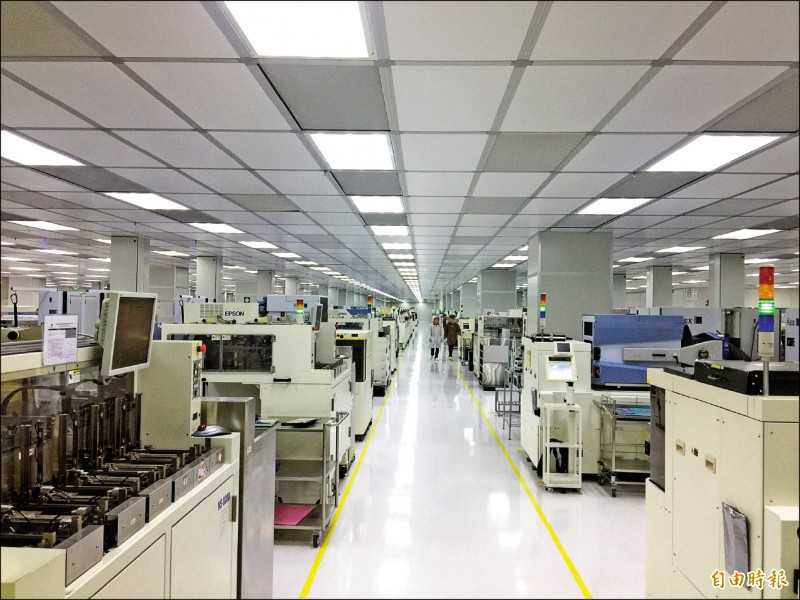
OSAT ho Consumer Electronics: Tataiso ea Leano la Lihlopha tsa Theko le Boenjiniere
2025-05-12
2052
Setsi sa Kopano sa Semiconductor le Setsi sa Teko, kapa setsi sa kopano le tlhahlobo sa semiconductor, se bapala karolo ea bohlokoa tikolohong ea tlhahiso ea lisebelisoa tsa elektroniki. Mehaho ena e sebetsa ka mokhoa o ikhethileng methating ea ho qetela ea tlhahiso ea semiconductor, ho kenyeletsoa liphutheloana tse kopaneng tsa li-circuits (ICs) le ho lekola ts'ebetso ea tsona ka matla. Bakeng sa lihlopha tsa ho reka le tsa boenjiniere ho lisebelisoa tsa elektroniki tsa bareki, ho utloisisa bokhoni ba Kopano ea Semiconductor le Setsi sa Teko ho netefatsa taolo e nepahetseng ea phepelo le ts'epahalo ea sehlahisoa.
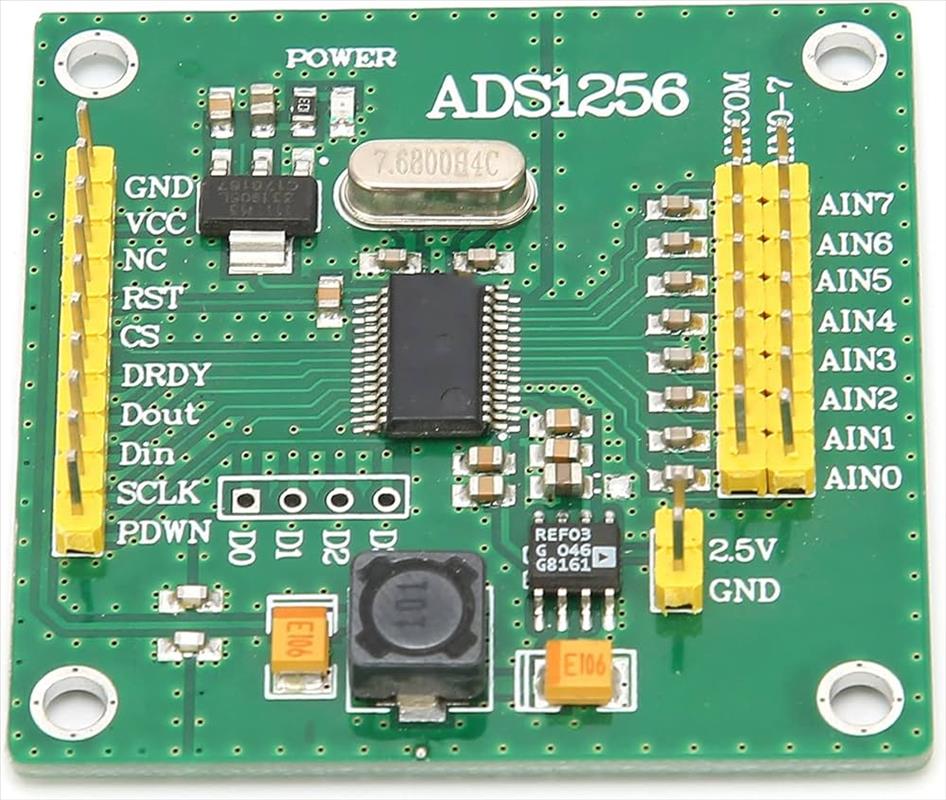
Liphetoho tsa Analog-to-Digital (ADCs) li Hlalositsoe: Litlhaloso tsa Bohlokoa, Likopo le Tataiso ea khetho
2025-05-10
1861
Ho utloisisa li-Analog-to-Digital Converters (ADCs) ho bohlokoa bakeng sa ho ntlafatsa ts'ebetso ea sehlahisoa ho lisebelisoa tsa elektroniki tsa bareki. Ka ho etelletsa pele litlhophiso tse kang tharollo le matla a matla, lihlopha tsa ho reka le tsa boenjiniere li ka khetha li-ADC tse ikamahanyang le litlhoko tsa tekheniki le tsa tekanyetso. Bakeng sa temohisiso e tebileng, hlahloba lisebelisoa ho tsoa ho IEEE, moetapele oa maemo a boenjiniere ba elektroniki.
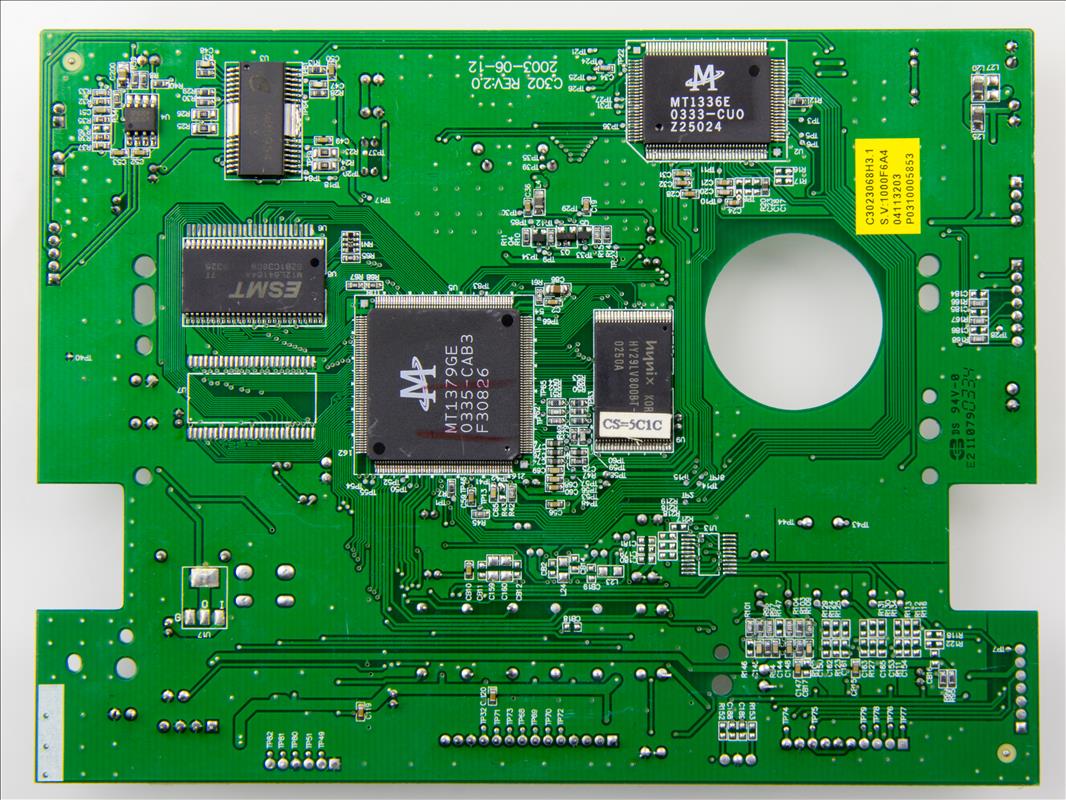
PCB Essentials: Tataiso e Feletseng bakeng sa Lihlopha tsa Theko ea Elektronike le Boenjiniere
2025-05-10
2212
Tseba tsohle ka PCB, ho kenyeletsoa nalane ea eona, litšobotsi, liparamente, mesebetsi, lits'ebetso le bahlahisi ba etelletseng pele. Ho bala hoa bohlokoa bakeng sa lihlopha tsa ho reka le tsa boenjiniere ho lisebelisoa tsa elektroniki tsa bareki.
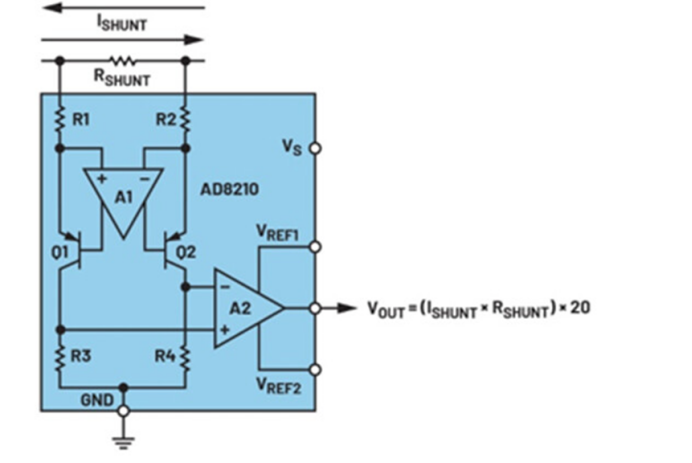
Tlhahlobo ea Liphapang le Litšobotsi Pakeng tsa Hona Joale Sense Amplifiers le Differential Amplifiers
2025-05-08
1943
Sehloohong sena, re bapisa li-amplifiers tsa morao-rao le li-amplifiers tse fapaneng, re sekaseka meralo ea tsona, litšobotsi tsa ts'ebetso le phapang ea ts'ebeliso. Melemo ea li-amplifiers tsa hona joale ho bandwidth, common-mode rejection ratio (CMRR), le lits'ebetso tsa maqhubu a phahameng li totobatsoa.





 粤公网安备44030002007346号