
























บริการสายด่วน
บล็อก

บล็อก
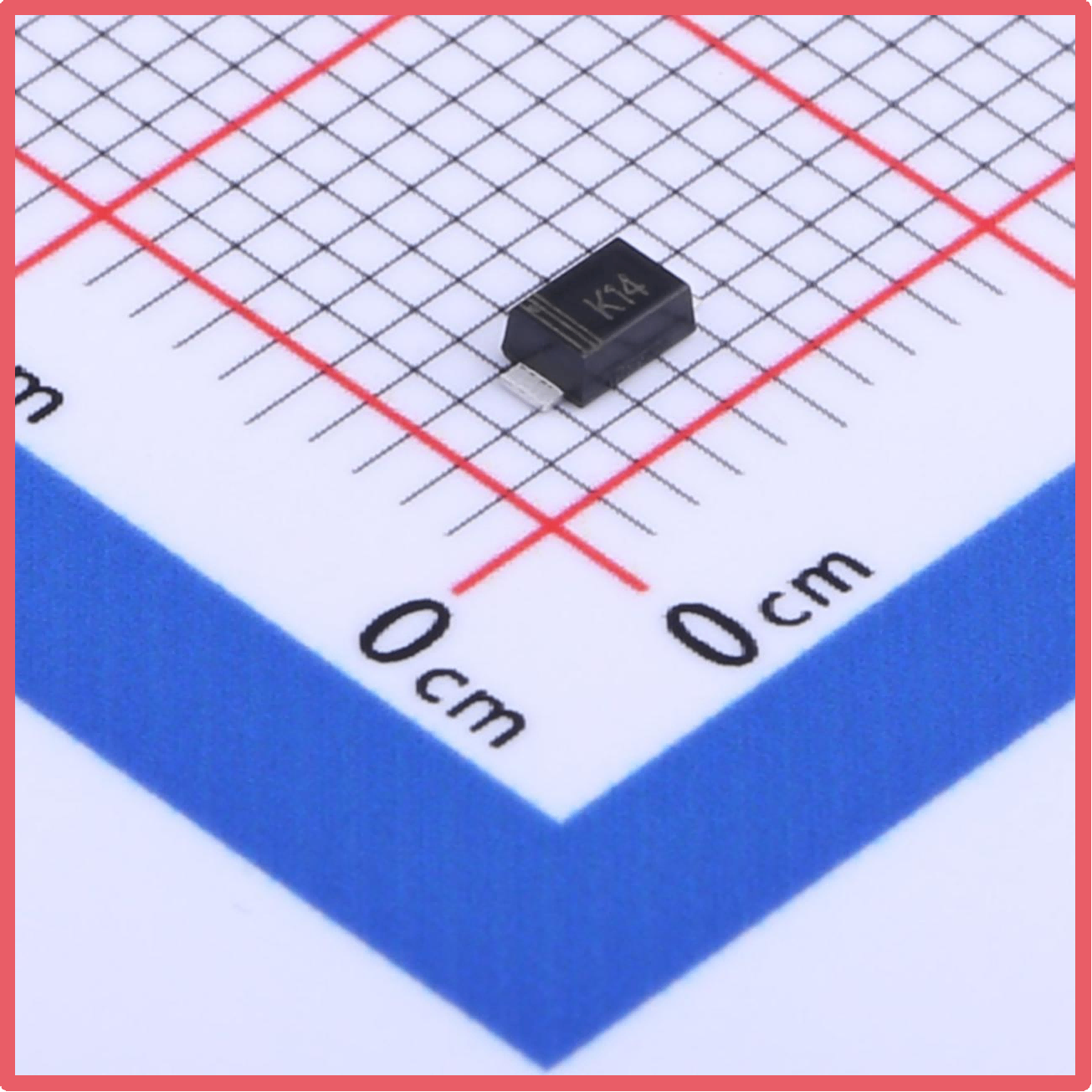
ไดโอด Schottky DSK14: ความเร็ว ประสิทธิภาพ และความเสถียร – สามข้อได้เปรียบหลักที่ปูทางไปสู่อุปกรณ์อิเล็กทรอนิกส์ประสิทธิภาพสูง
2026-07-21
4077
ด้วยความก้าวหน้าอย่างรวดเร็วของเทคโนโลยี การทำงานที่ราบรื่นของอุปกรณ์อัจฉริยะทุกชนิดจึงขึ้นอยู่กับการทำงานร่วมกันของชิ้นส่วนอิเล็กทรอนิกส์ที่มีความแม่นยำสูงจำนวนนับไม่ถ้วน ในฐานะที่เป็น "หัวใจ" ของระบบอิเล็กทรอนิกส์ อุปกรณ์เซมิคอนดักเตอร์จึงเป็นตัวกำหนดประสิทธิภาพและความน่าเชื่อถือของอุปกรณ์โดยตรง ไดโอด Schottky รุ่น DSK14 ที่เปิดตัวโดย Slkor Semiconductor เป็นชิ้นส่วนประสิทธิภาพสูงที่เน้นจุดแข็งหลักสามประการ ได้แก่ ความเร็ว ประสิทธิภาพ และความเสถียร ซึ่งจะช่วยเพิ่มแรงผลักดันใหม่ให้กับด้านการจัดการพลังงาน การประมวลผลสัญญาณความถี่สูง และสาขาอื่นๆ
ความเร็ว: อุปกรณ์ประสิทธิภาพสูงสำหรับยุคความถี่สูง
ในสถานการณ์ที่มีความถี่สูง เช่น การสื่อสาร 5G และวงจรดิจิทัลความเร็วสูง ความเร็วในการตอบสนองของส่วนประกอบเป็นตัวกำหนดประสิทธิภาพการประมวลผลสัญญาณ ด้วยเวลาการฟื้นตัวย้อนกลับที่สั้นมาก ไดโอด Schottky รุ่น DSK14 จึงโดดเด่นในฐานะผู้นำด้านความเร็วในวงจรความถี่สูง
เมื่อวงจรเปลี่ยนสถานะจากเปิดเป็นปิด ไดโอดทั่วไปจะเกิดความล่าช้าเนื่องจากผลกระทบจากการเก็บประจุ แต่ด้วยการปรับปรุงการออกแบบโครงสร้างและกระบวนการผลิตวัสดุ DSK14 สามารถลดความล่าช้านี้ให้เหลือเกือบศูนย์ได้ ซึ่งช่วยให้การเปลี่ยนสถานะรวดเร็วเป็นพิเศษในการแก้ไขสัญญาณ RF แหล่งจ่ายไฟแบบสวิตชิ่ง และแอปพลิเคชันอื่นๆ ลดการบิดเบือนของสัญญาณและการสูญเสียพลังงาน พร้อมทั้งให้สภาพแวดล้อมสัญญาณที่สะอาดกว่าสำหรับอุปกรณ์ความถี่สูง
แพ็คเกจ DSK14 SOD-123FL
ประสิทธิภาพ: ผู้เชี่ยวชาญด้านการประหยัดพลังงานเพื่อการแปลงพลังงานที่มีประสิทธิภาพสูง
ท่ามกลางความต้องการพลังงานทั่วโลกที่เพิ่มสูงขึ้น การเพิ่มประสิทธิภาพการแปลงพลังงานจึงกลายเป็นสิ่งสำคัญอย่างยิ่ง ด้วยแรงดันตกคร่อมขณะส่งผ่านต่ำ DSK14 จึงเป็นตัวเลือกที่เหมาะสมอย่างยิ่งสำหรับการออกแบบแหล่งจ่ายไฟประสิทธิภาพสูง
เมื่อกระแสไฟฟ้าไหลผ่านไดโอด ส่วนประกอบแบบดั้งเดิมจะสูญเสียพลังงานจำนวนมากในรูปของความร้อนเนื่องจากแรงดันตกคร่อมสูง แต่ DSK14 สร้างแรงดันตกคร่อมเพียง 550mV ที่กระแสใช้งาน 1A ซึ่งช่วยลดการสูญเสียพลังงานได้อย่างมาก ตัวอย่างเช่น การรวม DSK14 เข้ากับแหล่งจ่ายไฟแบบสวิตชิ่งหรืออะแดปเตอร์แปลงไฟ จะช่วยลดการเกิดความร้อน เพิ่มประสิทธิภาพการแปลงโดยรวม ยืดอายุการใช้งานแบตเตอรี่ของอุปกรณ์ และลดต้นทุนการจัดการความร้อน ซึ่งเป็นการสนับสนุนที่แข็งแกร่งสำหรับการใช้งานด้านพลังงานสีเขียว
เอกสารข้อมูลจำเพาะทางไฟฟ้าของ DSK12-DSK120
ความเสถียร: พันธมิตรที่เชื่อถือได้สำหรับการดำเนินงานต่อเนื่องในระยะยาว
ความน่าเชื่อถือเป็นข้อได้เปรียบในการแข่งขันที่สำคัญสำหรับชิ้นส่วนเซมิคอนดักเตอร์ การยึดมั่นในกระบวนการผลิตที่เข้มงวดและมาตรฐานการทดสอบคุณภาพ ทำให้ Slkor มั่นใจได้ว่า DSK14 จะรักษาประสิทธิภาพที่สม่ำเสมอในระหว่างการใช้งานเป็นเวลานาน
ด้วยแรงดันไฟย้อนกลับ 40V DC และกระแสไฟฟ้าเฉลี่ย 1A ทำให้สามารถครอบคลุมความต้องการใช้งานในอุตสาหกรรมและอุปกรณ์อิเล็กทรอนิกส์สำหรับผู้บริโภคส่วนใหญ่ได้ ในระบบควบคุมมอเตอร์ DSK14 ตอบสนองต่อความผันผวนของกระแสไฟฟ้าได้อย่างรวดเร็วเพื่อให้การควบคุมที่แม่นยำ ในอินเวอร์เตอร์พลังงานแสงอาทิตย์ มันสามารถทนต่อความผันผวนของแรงดันไฟฟ้าเพื่อรับประกันการแปลงพลังงานที่เสถียร นอกจากนี้ กระแสรั่วไหลต่ำเพียง 500μA ที่แรงดันไฟย้อนกลับ 40V แสดงให้เห็นถึงการรั่วไหลน้อยที่สุดภายใต้สภาวะแรงดันสูง ช่วยให้การทำงานของอุปกรณ์ปลอดภัย
เส้นโค้งลักษณะเฉพาะของซีรี่ส์ DSK
สถานการณ์การใช้งาน: อุปกรณ์อเนกประสงค์ ตั้งแต่อุปกรณ์ห้องปฏิบัติการไปจนถึงอุปกรณ์อิเล็กทรอนิกส์ในชีวิตประจำวัน
DSK14 มอบความอเนกประสงค์ที่โดดเด่นเหนือกว่าประสิทธิภาพตามพารามิเตอร์ทางทฤษฎี:
การจัดการพลังงาน: ทำหน้าที่เป็นตัวเรียงกระแสหลักสำหรับแหล่งจ่ายไฟแบบสวิตชิ่ง ช่วยเพิ่มประสิทธิภาพการใช้พลังงานและทำให้ขนาดของอุปกรณ์เล็ลงได้
การประมวลผลสัญญาณประสิทธิภาพความถี่สูงที่เหนือกว่า ทำให้เป็นตัวเลือกอันดับต้น ๆ สำหรับวงจร RF และวงจรดิจิทัลความเร็วสูง
ระบบขับเคลื่อนมอเตอร์ตอบสนองต่อสัญญาณควบคุมอย่างรวดเร็วเพื่อการควบคุมความเร็วอย่างมีประสิทธิภาพ
อินเวอร์เตอร์โซลาร์: ลดการสูญเสียพลังงานเพื่อเพิ่มประสิทธิภาพการผลิตพลังงานโดยรวมของระบบเซลล์แสงอาทิตย์
ไม่ว่าจะนำไปใช้ในเครื่องจักรกลอุตสาหกรรม เครื่องใช้ไฟฟ้า หรือภาคพลังงานใหม่ DSK14 ก็ทำหน้าที่เป็นตัวขับเคลื่อนหลักที่มองไม่เห็น ซึ่งช่วยผลักดันนวัตกรรมทางเทคโนโลยีให้ก้าวหน้า
เคล็ดลับการออกแบบเพื่อเพิ่มประสิทธิภาพ DSK14 ให้สูงสุด
แม้ว่า DSK14 จะให้ประสิทธิภาพระดับพรีเมียม แต่การออกแบบวงจรที่เหมาะสมที่สุดนั้นเป็นสิ่งสำคัญอย่างยิ่งในการปลดล็อกศักยภาพสูงสุด:
โปรดตรวจสอบพิกัดกระแสและแรงดันสูงสุดของอุปกรณ์เพื่อหลีกเลี่ยงการโอเวอร์โหลด
สำหรับงานที่ใช้ความถี่สูงและมีความเสี่ยงต่อการเกิดความร้อนสะสม ควรติดตั้งแผ่นระบายความร้อนหรือปรับแต่งการจัดวางแผงวงจรพิมพ์ (PCB) เพื่อรักษาอุณหภูมิของชิ้นส่วนให้อยู่ในขอบเขตการทำงานที่ปลอดภัย
ลดความยาวของเส้นทางวงจรให้น้อยที่สุดเพื่อลดค่าความเหนี่ยวนำปรสิตที่ส่งผลเสียต่อความเร็วในการสวิตช์
โปรดดูเอกสารข้อมูลจำเพาะฉบับเต็มอย่างเป็นทางการของ Slkor และปรับพารามิเตอร์ตามสถานการณ์การใช้งานเฉพาะเพื่อให้ได้ประสิทธิภาพสูงสุด
Skor Semiconductor: ขับเคลื่อนนวัตกรรมด้วยเทคโนโลยี
ในฐานะผู้นำนวัตกรรมในอุตสาหกรรมเซมิคอนดักเตอร์ บริษัท สลกอร์ เซมิคอนดักเตอร์ ยึดมั่นในปรัชญาหลัก "คุณภาพมาก่อน ขับเคลื่อนด้วยเทคโนโลยี" เราส่งมอบโซลูชันอิเล็กทรอนิกส์ประสิทธิภาพสูงผ่านกระบวนการผลิตขั้นสูงและการควบคุมคุณภาพอย่างเข้มงวด
การเปิดตัวไดโอด Schottky รุ่น DSK14 สะท้อนให้เห็นถึงความมุ่งมั่นนี้: มันเป็นมากกว่าแค่ชิ้นส่วนอิเล็กทรอนิกส์ แต่เป็นตัวแทนที่จับต้องได้ถึงความทุ่มเทของ Slkor ในด้านประสิทธิภาพ ความน่าเชื่อถือ และนวัตกรรมทางเทคโนโลยี
ท่ามกลางการปฏิวัติทางเทคโนโลยีที่กำลังดำเนินอยู่ ไดโอด Schottky DSK14 ได้กลายเป็นส่วนประกอบที่ได้รับความนิยมสำหรับงานออกแบบอิเล็กทรอนิกส์ความถี่สูงและประสิทธิภาพสูง ด้วยข้อดีที่เป็นเอกลักษณ์ในด้านความเร็ว ประสิทธิภาพ และความเสถียร วิศวกรที่มุ่งมั่นสู่ประสิทธิภาพสูงสุดและอุตสาหกรรมที่เน้นการพัฒนาอย่างยั่งยืนต่างก็สามารถได้รับแรงบันดาลใจจากอุปกรณ์นี้ในการสร้างความก้าวหน้าทางเทคโนโลยี ในอนาคต บริษัท Slkor Semiconductor จะยังคงขับเคลื่อนนวัตกรรม พัฒนา "ส่วนประกอบหลักที่มองไม่เห็น" ประสิทธิภาพสูงเพิ่มเติมสำหรับอุตสาหกรรมอิเล็กทรอนิกส์ทั่วโลก และนำไปสู่ยุคใหม่แห่งประสิทธิภาพที่สูงขึ้นสำหรับเทคโนโลยีและชีวิตประจำวัน
เกี่ยวกับ Slkor Semiconductor
กลุ่มผลิตภัณฑ์ระดับไฮเอนด์ของ Slkor ประกอบด้วยไดโอดซิลิคอนคาร์ไบด์ (SiC), MOSFET SiC, IGBT และไดโอดกำลังไฟฟ้าแบบฟื้นตัวเร็วพิเศษรุ่นที่ 5 ซึ่งตอบสนองความต้องการของยานยนต์พลังงานใหม่ เครื่องจักรระดับไฮเอนด์ อุปกรณ์กำลังไฟฟ้าสำหรับการสื่อสาร พลังงานแสงอาทิตย์ อุปกรณ์ทางการแพทย์ ระบบอัตโนมัติทางอุตสาหกรรม และอุตสาหกรรมอื่นๆ
กลุ่มผลิตภัณฑ์อเนกประสงค์ของเราครอบคลุมถึงไดโอด Schottky, ไดโอดป้องกัน ESD, ตัวป้องกันแรงดันไฟเกินชั่วขณะ (TVS), ไดโอดทั่วไป และทรานซิสเตอร์ อุปกรณ์กำลังไฟฟ้ารวมถึง MOSFET แรงดันต่ำ/ปานกลาง/สูง, ไทริสเตอร์ และวงจรเรียงกระแสแบบบริดจ์ ส่วนประกอบสนับสนุน ได้แก่ ไอซีจัดการพลังงาน (LDO, AC-DC, ADC), เซ็นเซอร์ Hall, ออปโตคัปเลอร์ความเร็วสูง และออสซิเลเตอร์คริสตัล
ผลิตภัณฑ์เหล่านี้ถูกนำไปใช้อย่างแพร่หลายในสมาร์ทโฟน แล็ปท็อป หุ่นยนต์ เครื่องใช้ไฟฟ้าในบ้านอัจฉริยะ อุปกรณ์ IoT ไฟ LED อุปกรณ์อิเล็กทรอนิกส์ 3C อุปกรณ์สวมใส่แบบอัจฉริยะ และฮาร์ดแวร์เชื่อมต่อแบบครบวงจร
เว็บไซต์: www.slormicro.com
วิสัยทัศน์: ก้าวสู่การเป็นผู้นำในอุตสาหกรรมเซมิคอนดักเตอร์
DSK14 ไปยังหน้าสินค้า

การวิจัยเกี่ยวกับ Huaqiangbei “โทรศัพท์ Shanzhai” (ตอนที่ 2)
2026-05-18
4565
— ซ่งชิเฉียง, สลกอร์ในช่วงการพัฒนาของบริษัท Huaqiangbei นั้น “โทรศัพท์ Shanzhai” กลายเป็นประเด็นที่ไม่อาจมองข้ามได้ ในปี 2007 เพียงปีเดียว ปริมาณการจัดส่งโทรศัพท์ Shanzhai ของ Huaqiangbei สูงถึง 150 ล้านเครื่อง คิดเป็นหนึ่งในหกของปริมาณการผลิตโทรศัพท์มือถือทั่วโลกในปีนั้น การขึ้นและลงของโทรศัพท์ Shanzhai เกิดขึ้นอย่างรวดเร็ว มันสร้างเศรษฐีมากมายจาก “เคาน์เตอร์ขนาดหนึ่งเมตร” เล็กๆ ใน Huaqiangbei แต่ก็ทำให้เกิดเรื่องราวโศกนาฏกรรมเช่นกัน เช่น การล้มละลายและภาวะทางจิตใจที่ย่ำแย่ของ “เจ้าชายแห่งโทรศัพท์ Shanzhai” อย่าง Chen Jinlingปรากฏการณ์โทรศัพท์มือถือเลียนแบบ (Shanzhai) ก็มีด้านดีเช่นกัน มันช่วยส่งเสริมวัฒนธรรมการสร้างสรรค์ของหัวเฉียงเป่ย ทำให้เซินเจิ้นกลายเป็น “ซิลิคอนวัลเลย์แห่งฮาร์ดแวร์” และ “สวรรค์แห่งการเป็นผู้ประกอบการ” นอกจากนี้ยังก่อให้เกิดแบรนด์โทรศัพท์มือถือท้องถิ่น เช่น Meizu, G5, Longcheer และ Transsion ในหลายๆ ด้าน มันกลายเป็นรากฐานของ “จิตวิญญาณแห่งการสร้างสรรค์ของหัวเฉียงเป่ย” และ “จิตวิญญาณแห่งการเป็นผู้ประกอบการของเซินเจิ้น”อย่างไรก็ตาม อุตสาหกรรมโทรศัพท์ลอกเลียนแบบก็ขัดแย้งกับการผลักดันของรัฐบาลในการคุ้มครองทรัพย์สินทางปัญญา การสร้างความตระหนักรู้เกี่ยวกับสิทธิบัตร และการพัฒนาแบรนด์ในขณะนั้น ส่งผลให้อุตสาหกรรมนี้ตกอยู่ในจุดที่ต้องเลือกระหว่างการเติบโตของตลาด นวัตกรรมทางเทคโนโลยี กฎระเบียบของรัฐบาล การพัฒนาเศรษฐกิจ จริยธรรมทางธุรกิจ และการสร้างกฎหมาย ความขัดแย้งและความล้มเหลวจึงแทบหลีกเลี่ยงไม่ได้ ซึ่งเป็นเหตุผลว่าทำไมสื่อทางการและนักเศรษฐศาสตร์หลายคนจึงไม่ค่อยพูดถึงโทรศัพท์ลอกเลียนแบบของ Huaqiangbeiสื่อที่มีอำนาจและสถาบันวิชาชีพต่างๆ รวมถึง Harvard Business Review ได้ศึกษากรณีของ MediaTek และตลาดโทรศัพท์มือถือแบบไม่มีสัญญาผูกมัด โดยใช้แบบจำลองการวิเคราะห์ธุรกิจต่างๆ ซึ่งได้แก่ การวิเคราะห์ SWOT, กลยุทธ์ห้าพลังของพอร์เตอร์ (Porter's Five Forces), การวิเคราะห์ PESTEL, การวิเคราะห์ VRIO, การวิเคราะห์ห่วงโซ่คุณค่า, การวิเคราะห์เมทริกซ์ BCG, การวิเคราะห์เมทริกซ์ Ansoff และการวิเคราะห์ส่วนผสมทางการตลาดในฐานะผู้ที่ได้เห็นเหตุการณ์ในหัวฉางเป่ยมาอย่างยาวนาน ข้าพเจ้า ซ่งซื่อฉาง จากคิงเฮล์มและสลกอร์ ตั้งใจที่จะบันทึกสิ่งที่ได้เห็นและประสบมาอย่างเป็นกลางและเที่ยงตรง เพื่อฟื้นฟูประวัติศาสตร์ที่แท้จริงของหัวฉางเป่ยในยุคนั้น โดยการประยุกต์ใช้ทฤษฎีพื้นฐานทางเศรษฐศาสตร์สังคม ข้าพเจ้ายังหวังที่จะวิเคราะห์อย่างเป็นระบบถึงตรรกะที่ลึกซึ้งเบื้องหลังปรากฏการณ์ “โทรศัพท์รุ่นพี่รุ่นน้องของหัวฉางเป่ย” และเป็นการยกย่องยุคสมัยที่เต็มไปด้วยโอกาสและการเติบโตทางเศรษฐกิจอย่างรวดเร็ว
Shanzai! MediaTek และการวิเคราะห์กรณีศึกษาโซลูชันตลาดโทรศัพท์มือถือ White Box
จากบทความก่อนหน้าของคุณซงแห่ง Slkor เรื่อง การวิจัยเกี่ยวกับโทรศัพท์ Huaqiangbei Shanzhai (ตอนที่ 1) ส่วนนี้จะกล่าวถึงที่มาของคำว่า “Shanzhai” วิวัฒนาการทางเทคโนโลยีของโทรศัพท์ Huaqiangbei Shanzhai และช่วงเวลาที่อุตสาหกรรมนี้เฟื่องฟูอย่างมากสองช่วงⅣ. ปาฏิหาริย์แห่งความร่ำรวยของหัวเฉียงเป่ยเขตย่อยหัวเฉียงเป่ย ในเขตฟู่เถียน เมืองเซินเจิ้น มีเงื่อนไขที่เอื้ออำนวยต่อการกระจุกตัวของความมั่งคั่งและการสร้างเศรษฐีและมหาเศรษฐีจำนวนมาก ซึ่งเป็นการผสมผสานที่ลงตัวระหว่าง “จังหวะเวลา ทำเล และผู้คน”ในช่วงเริ่มต้นของการปฏิรูปและการเปิดประเทศของจีน โลกกำลังเผชิญกับการเปลี่ยนแปลงทางอุตสาหกรรมครั้งใหญ่ครั้งที่สาม ซึ่งการผลิตสินค้าอุตสาหกรรมได้ย้ายจากยุโรป สหรัฐอเมริกา และกลุ่มประเทศเสือเอเชียทั้งสี่ มายังจีน นี่คือ “จังหวะเวลาที่เหมาะสม” เซินเจิ้น ในฐานะหนึ่งในเขตเศรษฐกิจพิเศษแห่งแรกๆ ของจีน มีอำนาจนิติบัญญัติที่เป็นอิสระ นโยบายที่ยืดหยุ่นสูง และที่ตั้งทางภูมิศาสตร์เชิงยุทธศาสตร์ที่อยู่ติดกับฮ่องกง ซึ่งเป็น “ไข่มุกแห่งตะวันออก” ขณะเดียวกันก็อยู่ใกล้กับเอเชียตะวันออกเฉียงใต้ ซึ่งเป็นที่ตั้งของชุมชนธุรกิจชาวจีนโพ้นทะเลจำนวนมาก นี่คือ “ทำเลที่เหมาะสม” ในขณะเดียวกัน แรงงานอพยพจำนวนมากจากทั่วประเทศจีนได้หลั่งไหลเข้ามาในเซินเจิ้น พวกเขาได้รับการศึกษาขั้นพื้นฐาน ขยันหมั่นเพียร มีระเบียบวินัย และยอมรับค่าจ้างและสวัสดิการที่ค่อนข้างต่ำ ส่งผลให้ต้นทุนแรงงานต่ำ นี่คือ “กลุ่มคนที่เหมาะสม”หัวฉางเป่ยมีชื่อเสียงในเรื่อง "ความอุดมสมบูรณ์สามประการ" ได้แก่ ประชากร สินค้า และเงินทอง ในช่วงที่เจริญรุ่งเรืองที่สุด หัวฉางเป่ยเป็นที่ตั้งของวิสาหกิจขนาดกลางและขนาดย่อมกว่า 60,000 แห่ง และธุรกิจส่วนตัวอีก 40,000 แห่ง โดยมีแรงงานและพ่อค้าแม่ค้าประมาณ 500,000 คน ในช่วงวันหยุดยาว จำนวนนักท่องเที่ยวจะเกิน 800,000 คน และนักช้อปมักต้องต่อคิวเพื่อเข้าห้างสรรพสินค้า เช่น ห้างสรรพสินค้าแวนการ์ด และห้างสรรพสินค้าวูเมนส์เวิลด์ปริมาณธุรกรรมประจำปีในหัวเฉียงเป่ยมีมูลค่าเกิน 300 พันล้านหยวน ค่าธรรมเนียมการโอนกรรมสิทธิ์สำหรับพื้นที่เคาน์เตอร์เพียงหนึ่งเมตรอาจสูงถึง 300,000 หยวน ในขณะที่พื้นที่ค้าปลีกชั้นนำใน SEG Plaza ขายได้ในราคาสูงถึง 300,000 หยวนต่อตารางเมตร แม้ว่าห้างสรรพสินค้าแวนการ์ดจะมีพื้นที่ธุรกิจเพียง 3,000 ตารางเมตร แต่รายได้ต่อวันเคยสูงถึง 3 ล้านหยวน ทำให้เป็นหนึ่งในพื้นที่ค้าปลีกที่มีผลประกอบการสูงที่สุดในโลกในแง่ของยอดขายต่อตารางเมตร ตลอดระยะเวลา 30 ปี ผลผลิตทางเศรษฐกิจของหัวเฉียงเป่ยพุ่งสูงขึ้นจากน้อยกว่า 2 พันล้านหยวนเป็น 300 พันล้านหยวน เปลี่ยนอดีต "เขตอุตสาหกรรมซ่างปู้" ให้กลายเป็น "ถนนอิเล็กทรอนิกส์อันดับ 1 ของจีน" ในที่สุด GDP ของเขตย่อยหัวเฉียงเป่ยในเขตฟู่เถียนก็เทียบเท่ากับ GDP ของเขตย่อยเย่ว์ไห่ในเขตหนานซาน ซึ่งเป็นหนึ่งในศูนย์กลางทางเศรษฐกิจที่มีชื่อเสียงที่สุดของเซินเจิ้น
คุณซงแห่งสลกอร์ สรุปปรากฏการณ์ความมั่งคั่งของหัวฉางเป่ย เซินเจิ้น
คุณเฉิง อี้มู่ จากหอการค้าอิเล็กทรอนิกส์เซินเจิ้น เป็นหนึ่งในพยานที่ให้ข้อมูลเกี่ยวกับประวัติศาสตร์ของหัวฉางเป่ย ตามคำบอกเล่าของเขา หัวฉางเป่ยเดิมเป็นศูนย์กลางของอุตสาหกรรมข้อมูลอิเล็กทรอนิกส์ของเซินเจิ้น ในเวลานั้น เขตอุตสาหกรรมซ่างปู้ ซึ่งเป็นที่ตั้งของหัวฉางเป่ย ได้รวบรวมโรงงานอิเล็กทรอนิกส์ที่มีชื่อเสียงและหน่วยงานที่เกี่ยวข้องกับรัฐบาลมากมาย รวมถึงบริษัทหัวฉางซานโยทีวี บริษัทเอสอีดีฟิลิปส์ บริษัทจิงฮวาอิเล็กทรอนิกส์ บริษัทเอสอีจีฮิตาชิ และโรงงานหัวฉางอิเล็กทรอนิกส์หลังจากที่จีนเข้าร่วมองค์การการค้าโลก (WTO) จีนแผ่นดินใหญ่ก็กลายเป็น “โรงงานของโลก” อย่างรวดเร็ว อุตสาหกรรมอิเล็กทรอนิกส์และสารสนเทศเติบโตอย่างก้าวกระโดด และด้วยแรงขับเคลื่อนจากบริษัทยักษ์ใหญ่ เช่น SEG และ Huaqiang ทำให้ Huaqiangbei ก้าวขึ้นมาเป็น “ถนนอิเล็กทรอนิกส์อันดับ 1 ของจีน” อย่างรวดเร็วในขณะเดียวกัน ในพื้นที่ที่อยู่นอกเหนือการควบคุมอย่างเข้มงวดของรัฐบาล พลังของตลาดมืดก็สร้างปาฏิหาริย์ทางเศรษฐกิจเช่นกัน ห่วงโซ่อุปทานโทรศัพท์มือถือ "ชานไจ" พัฒนาขึ้นอย่างเงียบๆ ทั่วเขตสามเหลี่ยมปากแม่น้ำเพิร์ล ก่อนที่จะวิวัฒนาการในหัวฉางเป่ยจนกลายเป็นพลังขับเคลื่อนอุตสาหกรรมที่ทรงอิทธิพล ผู้คนจากภายนอกจำนวนมากที่เข้ามาในหัวฉางเป่ยเพื่อหาเลี้ยงชีพ ต่างเต็มใจที่จะท้าทายกฎเกณฑ์เก่าๆ และยอมรับนวัตกรรมที่พลิกโฉมวงการการเติบโตของระบบนิเวศตลาดเสรีของหัวฉางเป่ยนั้น แท้จริงแล้วเป็นกระบวนการของการเพิ่มประสิทธิภาพทรัพยากรและการขับเคลื่อนนวัตกรรมทางอุตสาหกรรม ผู้ประกอบการธุรกิจขนาดเล็กบางรายที่ดำเนินงานจาก "เคาน์เตอร์ขนาดหนึ่งเมตร" เล็ก ๆ ค่อย ๆ กลายเป็นที่รู้จักในฐานะ "ผู้ผลิตหัวฉางเป่ย" กลุ่มแรก รูปแบบธุรกิจที่เป็นเอกลักษณ์และวัฒนธรรมการแบ่งปันผลกำไรของย่านนี้ได้กระตุ้นให้ผู้มาใหม่ที่มีความทะเยอทะยานทดลอง แข่งขัน และสร้างสรรค์นวัตกรรม ในสภาพแวดล้อมที่ "สิ่งใดที่ไม่ต้องห้ามก็สามารถลองทำได้" หัวฉางเป่ยจึงสร้างยุครุ่งเรืองของตนเองขึ้นมาหลายคนเติบโตแข็งแกร่งขึ้นผ่านความล้มเหลวซ้ำแล้วซ้ำเล่าและการแข่งขันทางธุรกิจที่ดุเดือด จนในที่สุดก็กลายเป็นผู้ประกอบการที่มีชื่อเสียง นี่คือ "วัฒนธรรมหัวเฉียงเป่ย" ที่สรุปโดยคุณซงแห่งสลกอร์และคิงเฮล์ม ซึ่งเป็นวัฒนธรรมที่นิยามโดยนวัตกรรม การกล้าเสี่ยง ความยืดหยุ่น และการปฏิบัติจริง
Huaqiangbei เดิมเป็นศูนย์กลางอุตสาหกรรมอิเล็กทรอนิกส์และข้อมูล — ภาพถ่ายโดย Cheng Yimu
หวัง จื้อกัง นักวางแผนกลยุทธ์ด้านสื่อเคยกล่าวไว้ว่า “พระเจ้าปล่อยปีศาจ แต่ปีศาจสร้างสวรรค์” คำกล่าวนี้สะท้อนทฤษฎีทางสังคมวิทยาเรื่อง “ผลลัพธ์ที่ไม่ได้ตั้งใจ” ซึ่งเจตนาเดิม A อาจนำไปสู่ผลลัพธ์ที่แตกต่างอย่างสิ้นเชิง B ในสภาพแวดล้อมทางสังคมที่ซับซ้อนและเปลี่ยนแปลงอยู่ตลอดเวลาตัวอย่างที่รู้จักกันดีคือ ซิลเดนาฟิล เดิมทีพัฒนาขึ้นเพื่อรักษาความดันโลหิตสูงและโรคหลอดเลือดหัวใจตีบ แต่ต่อมามีชื่อเสียงในการรักษาภาวะหย่อนสมรรถภาพทางเพศและช่วยบำรุงสุขภาพไตตามความเชื่อแพทย์แผนจีนโบราณ ทฤษฎีนี้ยังสามารถช่วยอธิบายความร่ำรวยอย่างน่าอัศจรรย์ที่เกิดขึ้นในอุตสาหกรรมโทรศัพท์มือถือ Huaqiangbei Shanzhai ได้อีกด้วยเอาล่ะ ผมอดไม่ได้ที่จะให้บทเรียนที่จริงจังแต่ก็ตลกอีกบทหนึ่งเกี่ยวกับนิสัยของชาวจีนในการ "เสริม" สุขภาพ ชาวจีนดูเหมือนจะชอบ "เพิ่ม" ทุกอย่าง ผู้ชายเน้นการบำรุงไต ผู้หญิงเน้นการบำรุงเลือด และหลายครัวเรือนเก็บยาแผนโบราณอย่างเช่นยาหลิวเว่ยตี้หวงและยาอู๋จี้ไป่เฟิงไว้ในลิ้นชัก ถ้วยน้ำมักจะเต็มไปด้วยโกจิเบอร์รี่ พุทราแดง หรือเมล็ดอบเชยเด็กๆ ต้องการติวเสริม โปรแกรมเมอร์ต้องการนอนหลับพักผ่อนมากขึ้น และผู้สูงอายุรีบไปซูเปอร์มาร์เก็ตทุกวันเพื่อตุนไข่ฟรีไว้ในตู้เย็น ดูเหมือนว่าหากขาด "สิ่งเสริม" บางอย่าง ผู้คนจะรู้สึกไม่สบายใจทางจิตใจและอ่อนแอทางร่างกาย
ย้อนกลับไปในช่วงยุคเฟื่องฟูของอุตสาหกรรมโทรศัพท์มือถือของจีน นอกเหนือจากกลุ่ม "จงฮวา กัวเหลียน" ซึ่งประกอบด้วย ZTE, Huawei, Coolpad และ Lenovo แล้ว แทบทุกบริษัทต่างก็มีความเชื่อมโยงที่ซับซ้อนและแยกไม่ออกกับโทรศัพท์มือถือ "หัวเฉียงเป่ย ซานจ้าย" (Huaqiangbei shanzhai)บริษัท ODM อย่างเช่น Huaqin, Longcheer, Huiye, Wingtech, Yude, HEDY, Haipai และ Tinno สร้างธุรกิจขนาดใหญ่ในช่วงเวลานั้น และผู้ก่อตั้งส่วนใหญ่กลายเป็นมหาเศรษฐี แบรนด์โทรศัพท์มือถืออย่าง Gionee, GFive และ Transsion ช่วยให้บุคคลอย่าง Liu Lirong, Zhang Zhixue และ Zhu Zhaojiang ร่ำรวยเป็นพันล้านหรือหลายหมื่นล้านหยวนบริษัท Shanghai Moshang ซึ่งทำกำไรจากการให้บริการ "โทรศัพท์เลียนแบบ" นั้นจดทะเบียนอย่างเป็นทางการในเซี่ยงไฮ้ แต่ฐานการผลิตและระบบนิเวศทางเทคนิคยังคงผูกพันอย่างลึกซึ้งกับ Huaqiangbei บริษัทออกแบบอย่าง Artop และ Jialantu ซึ่งเชี่ยวชาญด้านการออกแบบภายนอกและโครงสร้างของโทรศัพท์มือถือ ก็ตั้งอยู่ใน Huaqiangbei เช่นกัน นอกจากนั้นยังมีบุคคลผู้ทรงอิทธิพลอีกมากมายที่ซ่อนตัวอยู่ตามจุดต่างๆ ของห่วงโซ่อุปทาน ซึ่งเรื่องราวความมั่งคั่งของพวกเขาทั้งหมดล้วนเชื่อมโยงกับ Huaqiangbei อย่างใกล้ชิดผมเชื่อมาโดยตลอดว่า ในบรรดาอุตสาหกรรมทั้งหมดที่สร้างมหาเศรษฐีในหัวฉางเป่ย อุตสาหกรรม "โทรศัพท์มือถือเลียนแบบ" นั้นมีประสิทธิภาพสูงสุด ยุคนี้เองที่ทำให้หัวฉางเป่ยโด่งดังไปทั่วจีนและต่างประเทศ ยกระดับให้เป็นศูนย์กลางการสร้างความมั่งคั่ง
ในปี 2012 ด้วยเงินเก็บเล็กน้อยที่สะสมมาจากการทำงานในธุรกิจอสังหาริมทรัพย์ ฉันจึงกลับไปยังหัวฉางเป่ยเพื่อแสวงหาโอกาสใหม่ๆ ในเวลานั้น หัวฉางเป่ยเต็มไปด้วยชีวิตชีวา ในช่วงวันหยุด ถนนสายหลักจะแน่นขนัดไปด้วยผู้คน เพลงฮิตของ Psy อย่าง “Gangnam Style” ดังกระหึ่มไปทั่วถนนและตรอกซอย ขณะที่โฆษณาชุดชั้นในกระชับสัดส่วน “Being a Woman Feels Great” เต็มไปหมดตามกำแพง หลังจากรับประทานหม้อไฟเนื้อต้าหมูเฉาซานเสร็จแล้ว เจ้าของร้านหลายคนก็จะมุ่งหน้าไปยัง “Cool Party KTV” เพื่อร้องคาราโอเกะ และเมื่อถึงช่วงที่สนุกสุดเหวี่ยง ทุกคนก็จะเริ่มเต้น “ท่าเต้นขี่ม้า” อันโด่งดังของ Psyเพื่อที่จะแทรกซึมเข้าไปในแวดวงธุรกิจชั้นสูงของหัวฉางเป่ย ผมมักจะแต่งตัวเหมือนสุภาพบุรุษที่ดูดีมีสง่า แสร้งทำเป็นผู้ประกอบการที่ประสบความสำเร็จ ร่ำรวย และมีวัฒนธรรม ผมขับรถ BMW มือสองของผมไปรอบๆ โดยมีเหล้ามู่ไทที่หมดอายุแล้วเก็บไว้ในท้ายรถ พร้อมกับอธิบายทฤษฎีต่างๆ อย่างกระตือรือร้น เช่น “วัฏจักรคอนดราติเยฟ” และ “เส้นโค้งทองคำฟิโบนาชชี” ให้กับบรรดาผู้หญิงนักธุรกิจในหัวฉางเป่ยฟัง ผมยังเสริมด้วยภูมิปัญญาทางธุรกิจโบราณของฟานหลี่ — “การวัดส่วนเกินและส่วนขาด การแยกแยะความถูกต้องออกจากผลกำไร” — เป็นการปิดท้ายอีกด้วย ผู้คนเริ่มรู้สึกว่าหัวฉางเป่ยยังคงมีปัญญาชนอยู่ไม่น้อยในตอนแรก บรรดาแม่ค้าในหัวเฉียงเป่ยยังคงระมัดระวังตัว เพราะสงสัยว่าฉันกำลังขายหลักสูตรฝึกอบรม ประกันภัย สินค้าขายตรง หรือบริการศัลยกรรมเสริมความงาม แต่ด้วยการพูดคุยในหัวข้อต่างๆ เช่น ลักษณะเฉพาะของอุตสาหกรรมวงจรรวม การผลิตขนาดใหญ่ โครงสร้างห่วงโซ่อุปทาน อิทธิพลทางภูมิรัฐศาสตร์ และบทบาทของหัวเฉียงเป่ยในฐานะทั้ง “แหล่งเก็บสินค้าคงคลัง” และจุดเชื่อมต่อที่สำคัญระหว่างการผลิตและการขาย ฉันจึงค่อยๆ สรุปหลักการต่างๆ สำหรับการสร้างความมั่งคั่งอย่างรวดเร็วในหัวเฉียงเป่ย และเมื่อเวลาผ่านไป พวกเธอก็เริ่มไว้ใจฉันนักธุรกิจหญิงคนหนึ่งทำตามแบบแผนทฤษฎีของฉัน สร้างฐานะร่ำรวยจากการค้าชิ้นส่วนอิเล็กทรอนิกส์ และซื้อรถเบนท์ลีย์ให้ตัวเอง ต่อมาเธอมอบโมเดลรถเบนท์ลีย์ให้ฉันเป็นของขวัญ — เพื่อความชัดเจน มันเป็นโมเดลรถเบนท์ลีย์ขนาดเล็ก ไม่ใช่พนักงานขายเบนท์ลีย์หญิง อย่าเข้าใจผิด ในขณะนั้น ฉันก็ตระหนักในใจเงียบๆ ว่า การกลับมาที่หัวฉางเป่ยในครั้งนี้เป็นการตัดสินใจที่ถูกต้องอย่างแน่นอน
ย่านหัวเฉียงเป่ย (Huaqiangbei) เป็นแหล่งสร้างความมั่งคั่งมาหลายระลอก แม้แต่ภรรยาของเจ้าของร้านค้าเล็กๆ ก็ยังได้เห็นความเจริญรุ่งเรืองของที่นี่ ในทศวรรษ 1980 เป็นสินค้าอิเล็กทรอนิกส์นำเข้าที่ไร้คุณภาพ ในทศวรรษ 1990 เป็น MP3, MP4 และการประกอบคอมพิวเตอร์ ปัจจุบันเป็นสินค้าดิจิทัล 3C และอุปกรณ์อิเล็กทรอนิกส์ทันสมัย ในช่วงไม่กี่ปีที่ผ่านมา เกิดภาวะขาดแคลนตัวเก็บประจุ ตัวต้านทาน MOSFET และชิปหน่วยความจำ ความต้องการสินค้าแบรนด์ต่างๆ เช่น Texas Instruments (TI), Silans และ STMicroelectronics เพิ่มสูงขึ้น และเกิดเหตุการณ์ต่างๆ เช่น น้ำท่วมในประเทศไทย แผ่นดินไหวในญี่ปุ่น และความขัดแย้งด้านภาษีระหว่างสหรัฐฯ กับจีน ซึ่งทั้งหมดนี้ช่วยให้บรรดาเจ้าของและภรรยาในย่านหัวเฉียงเป่ยทำกำไรได้อย่างมหาศาลหลังจากประสบความสำเร็จครั้งแรกในหัวเฉียงเป่ย เหล่าผู้ประกอบการเหล่านี้ก็ยังคงเติบโตและเสริมสร้างธุรกิจของตนต่อไป บุคคลสำคัญอย่างเช่น หวังหลี่ จาก Haon Optics, เกาหยุนเฟิง จาก Han's Laser, เฉินจือหลี่ จาก EVOC Intelligent, ไช่ฮวาป๋อ จาก Jiangbolong, ซ่งซื่อเฉียง จาก Kinghelm and Slkor, หวังเหลาเปา จาก Interling และเฉินไห่เซิง จาก Meilong ต่างก็สร้างชื่อเสียงที่โดดเด่นในอุตสาหกรรมของตน พวกเขาเติบโตอย่างแข็งแกร่งผ่านประสบการณ์ตรงในหัวเฉียงเป่ย โดยได้รับแรงผลักดันจากวัฒนธรรมแห่งความกล้าหาญ นวัตกรรม ความยืดหยุ่น และการปฏิบัติจริง
“ผู้ประกอบการด้านการผลิตและการสร้างสรรค์งานฝีมือ”
Ⅴ. ตลาดจำหน่ายโทรศัพท์มือถือหัวเฉียงเป่ยภูมิทัศน์ทางการค้าของหัวเฉียงเป่ยประกอบด้วยสามภาคส่วนหลัก ได้แก่ แหล่งช้อปปิ้งสำหรับผู้บริโภคทั่วไป “ถนนอิเล็กทรอนิกส์” และตลาดเฉพาะทาง ห้างสรรพสินค้าและศูนย์การค้า เช่น Maoye, Rainbow, Dreams-on และ 9square ให้บริการผู้บริโภคในรัศมีครึ่งชั่วโมงของการอยู่อาศัย “ถนนอิเล็กทรอนิกส์” มีศูนย์กลางอยู่ที่ตลาดอิเล็กทรอนิกส์หัวเฉียง, SEG Plaza, New Asia และ Metropolis Electronics City ตลาดเฉพาะทางครอบคลุมภาคส่วนต่างๆ เช่น เสื้อผ้าต่างประเทศ นาฬิกา ผลิตภัณฑ์รักษาความปลอดภัย ศูนย์คอมพิวเตอร์ โทรคมนาคม และของขวัญ โดยมีตลาดมากกว่า 50 แห่งที่มีพื้นที่มากกว่า 50,000 ตารางเมตรในช่วงที่รุ่งเรืองที่สุดกล่าวกันว่า โปนี มา เคยประกอบคอมพิวเตอร์ที่หัวเฉียงเป่ยก่อนที่จะก่อตั้ง Tencent และหวงจางแห่ง Meizu ก็เคยขายเครื่องเล่น MP3 ที่นั่น ในขณะนั้น หัวเฉียงเป่ยมีตลาดหลักหลายแห่งสำหรับโทรศัพท์มือถือและผลิตภัณฑ์ต่อพ่วง ได้แก่ Yuanwang Digital City บนถนน Huaqiang, ตลาด Mingtong Mobile Accessories บนถนน Huafa North และตลาด Tongtiandi, Longsheng และ Feiyang Times ที่ชั้น 1-3 ของอาคาร Huaken ทางด้านใต้ของถนน Shennan ซึ่งมีขนาดค่อนข้างเล็ก โมเดล “ร้านค้าอยู่ด้านหน้า โรงงานอยู่ด้านหลัง” ของหัวเฉียงเป่ยได้รวบรวมผู้ผลิตเครื่องใช้ไฟฟ้าขนาดเล็กและผลิตภัณฑ์ดิจิทัล 3C จากทั่วประเทศ พร้อมด้วยช่องทางการขายทั้งในประเทศและต่างประเทศ การบรรจบกันของห่วงโซ่อุปทานและเครือข่ายการจัดจำหน่ายนี้ก่อให้เกิดศูนย์กลางสำคัญและเป็นจุดแข็งในการแข่งขันหลักของหัวเฉียงเป่ย
ในเวลานั้น ชั้น 1 ถึงชั้น 3 ของเมืองดิจิทัลหยวนหวางในหัวเฉียงเป่ยเกือบทั้งหมดเต็มไปด้วยแผงขายโทรศัพท์มือถือมือสอง ปัจจุบันเหลือเพียงไม่กี่เคาน์เตอร์ที่ซ่อนตัวอยู่ตามมุมของชั้น 2 และ 3 แต่รูปแบบการค้าแบบเก่าๆ หลายอย่างยังคงได้รับการอนุรักษ์ไว้ โดยทั่วไป บนเคาน์เตอร์กระจกของแผงขายของกว้างหนึ่งเมตร จะมีกระดาษ A4 เคลือบพลาสติกหนึ่งหรือสองแผ่นแสดงรายการรุ่นโทรศัพท์ ข้อมูลจำเพาะ และราคา การซื้อขายจะทำกันโดยตรงที่เคาน์เตอร์ ในขณะที่การส่งมอบสินค้าจำนวนมากจะจัดขึ้นในสถานที่อื่นเพื่อความปลอดภัยตลาดดิจิทัลหยวนหวางส่วนใหญ่จำหน่ายโทรศัพท์มือถือที่ลักลอบนำเข้าจากฮ่องกงและสหรัฐอเมริกา รวมถึงโทรศัพท์มือถือมือสอง โดยแบรนด์มือสองส่วนใหญ่เป็น Nokia, Motorola, Samsung และแบรนด์ต่างประเทศชั้นนำอื่นๆ ขณะเดียวกัน ตลาดต่างๆ เช่น ตลาดมือถือหมิงตง ตลาดตงเทียนตี้ ตลาดมือถือหลงเซิง และตลาดเฟยหยางไทมส์ ส่วนใหญ่จำหน่ายโทรศัพท์มือถือเลียนแบบของเก่าในหัวเฉียงเป่ย คุณสามารถหาโทรศัพท์มือถือมือสองได้แทบทุกประเภท แน่นอนว่ารหัสประจำตัวของอุปกรณ์ทั้งหมดได้ถูกแก้ไขแล้ว เมนบอร์ดโทรศัพท์และซอฟต์แวร์ที่เข้ากันได้ก็หาได้ง่ายเช่นกัน เมื่อประกอบตัวเครื่องและฝาครอบแล้ว ช่างเทคนิคจะทำการแฟลชซอฟต์แวร์ลงในอุปกรณ์ ทดสอบการทำงานอย่างรวดเร็ว และโทรศัพท์ก็พร้อมจำหน่าย เพิ่มเคสหนังและอุปกรณ์เสริมอีกเล็กน้อย ผลิตภัณฑ์ก็สามารถวางจำหน่ายในตลาดได้ทันทีในปริมาณมาก
เคาน์เตอร์โทรศัพท์มือถือ Shanzhai ในหัวเฉียงเป่ย
เบื้องหลังเคาน์เตอร์ทุกแห่งคือห่วงโซ่อุปทานตลาดมืด ตัวอย่างเช่น เนื่องจากโทรศัพท์มือถือในฮ่องกงมักมีราคาถูกกว่าในหัวเฉียงเป่ย จึงมีการลักลอบนำเข้าเซินเจิ้นผ่านช่องทางต่างๆ บนถนนจงหยิงในเขตซาโถวเจียว ซึ่งฝั่งหนึ่งเป็นของฮ่องกงและอีกฝั่งเป็นของเซินเจิ้น ผู้ลักลอบค้าของเถื่อนฝั่งฮ่องกงจะซ่อนโทรศัพท์มือถือแบบฝาพับไว้ในยางในของจักรยานวิบาก จากนั้นก็จะปั่นจักรยานข้ามไปยังเซินเจิ้น เพื่อส่งโทรศัพท์ไปยังหัวเฉียงเป่ยและขายทำกำไร ยางในจักรยานขนาด 26 นิ้วสามารถซ่อนโทรศัพท์มือถือได้มากถึง 25 เครื่องเมนบอร์ดโทรศัพท์ที่ได้รับการปรับปรุงใหม่สำหรับแบรนด์ต่างๆ เช่น โนเกีย ถูกรวบรวมจากประเทศที่พัฒนาแล้วและลักลอบนำเข้าประเทศจีนผ่านช่องทางต่างๆ ในขณะเดียวกัน ห่วงโซ่อุปทานภายในประเทศก็มีสินค้าครบครันอยู่แล้ว เช่น เคสโทรศัพท์ แป้นพิมพ์ตัวเลข และอุปกรณ์เสริมที่เกี่ยวข้องแน่นอนว่า เคาน์เตอร์และร้านค้าบางแห่งเชี่ยวชาญด้านอะไหล่สำหรับโทรศัพท์ฟีเจอร์โฟนและผลิตภัณฑ์ดิจิทัล 3C ในขณะที่บางแห่งเน้นไปที่การซ่อมแซมและบริการหลังการขาย ผมจำได้ว่าศูนย์ซ่อมหลังการขายสำหรับโทรศัพท์ ZTE และโทรศัพท์ Philips ตั้งอยู่ใน SEG Science & Technology Park และอาคาร Modern Window ตามลำดับ
บริษัท Slkor ได้รับการรับรองระบบคุณภาพ ISO9001 และระบบสิ่งแวดล้อม ISO14001
ธุรกิจที่ดำเนินการผ่าน “เคาน์เตอร์ขนาดหนึ่งเมตร” ของหัวเฉียงเป่ยได้รับการสนับสนุนจากเครือข่ายการขายขนาดใหญ่เบื้องหลัง มีช่องทางการจัดจำหน่ายและตัวแทนจำหน่ายที่ครอบคลุมทั่วประเทศจีน รวมถึงเครือข่ายการค้าระหว่างประเทศที่สร้างขึ้นมานานหลายปี ปรากฏการณ์ที่โดดเด่นอย่างหนึ่งคือ “นักแบ็กแพ็กเกอร์หัวเฉียงเป่ย” — ผู้ซื้อจากทั่วโลกที่สะพายเป้เดินทางมายังหัวเฉียงเป่ยเพื่อหาแหล่งสินค้า ซื้อ หรือจัดหาสินค้าจำนวนมาก จากสถิติที่ไม่เป็นทางการ ในช่วงพีคที่สุด มีนักท่องเที่ยวต่างชาติมากถึง 7,000 คนเดินทางมายังหัวเฉียงเป่ยทุกวันเพื่อซื้อสินค้า ตรวจสอบสินค้า หรือสั่งซื้อสินค้าขายส่งโทรศัพท์มือถือเลียนแบบของปลอม (shanzhai) และผลิตภัณฑ์ดิจิทัล 3C อื่นๆ จากบริษัท Huaqiangbei ถูกส่งออกอย่างต่อเนื่องไปยังประเทศและภูมิภาคต่างๆ เช่น อินเดีย เวียดนาม ฟิลิปปินส์ แอฟริกา และอเมริกาใต้ เครือข่ายการขายที่กว้างขวางนี้ส่งผลให้เกิดการเติบโตของห่วงโซ่อุตสาหกรรมที่ครบวงจรสำหรับผลิตภัณฑ์ดิจิทัล 3C ของ Huaqiangbei ซึ่งรวมถึงบริการซ่อมแซม การอัปเกรด อุปกรณ์เสริม และอุตสาหกรรมสนับสนุนที่เกี่ยวข้อง ผลิตภัณฑ์ต่างๆ เช่น หูฟังบลูทูธ เคสหนังสำหรับโทรศัพท์มือถือ ฟิล์มกันรอยหน้าจอ และแล็ปท็อปมือสอง มีความหลากหลายมากขึ้นเรื่อยๆ ในขณะที่การอัปเกรดและการปรับปรุงอย่างต่อเนื่องทำให้ตลาดสอดคล้องกับเทรนด์ล่าสุดอยู่เสมอในยุคแรก ต้นทุนการผลิตโทรศัพท์มือถือเลียนแบบของ Huaqiangbei อยู่ที่ประมาณ 700 ถึง 800 หยวนต่อเครื่อง ในขณะที่ราคาขายอาจสูงกว่า 1,000 หยวน เมื่อปริมาณการผลิตเพิ่มขึ้น ต้นทุนก็ลดลง และกำไรก็เพิ่มมากขึ้นอย่างน่าทึ่ง อย่างไรก็ตาม ในช่วงประมาณปี 2012 สมาร์ทโฟนระดับไฮเอนด์ที่นำโดย Apple และ Samsung ได้ถือกำเนิดขึ้น และห่วงโซ่อุปทานของโทรศัพท์มือถือเลียนแบบของ Huaqiangbei ก็ประสบปัญหาในการปรับตัวให้ทันกับเทคโนโลยี บริษัทหลายแห่งจึงแทบจะเอาตัวไม่รอดจากนั้น Xiaomi ซึ่งก่อตั้งโดย Lei Jun ก็ได้เปิดตัวสมาร์ทโฟน Redmi ในราคาที่น่าตกใจเพียง 799 หยวน และสามารถแย่งส่วนแบ่งการตลาดส่วนใหญ่ที่เคยเป็นของโทรศัพท์ลอกเลียนแบบของ Huaqiangbei ได้อย่างรวดเร็ว สร้างความเสียหายอย่างร้ายแรงต่ออุตสาหกรรมนี้ และทำให้ธุรกิจโทรศัพท์ลอกเลียนแบบของ Huaqiangbei ต้องเข้าสู่ห้องไอซียู ธุรกิจโทรศัพท์ลอกเลียนแบบของ Huaqiangbei เหลือทางเลือกเพียงไม่กี่ทาง คือ ย้ายไปที่อื่น ปรับปรุงและเปลี่ยนแปลงตัวเอง หรือถูกกระแสของตลาดกวาดล้างไปอย่างสิ้นเชิง
Ⅵ. ระบบนิเวศสีเทาของ “โทรศัพท์มือถือ Huaqiangbei Shanzhai”หัวเฉียงเป่ยสืบทอด "ดีเอ็นเอของสินค้าลอกเลียนแบบ" มาโดยตลอด ในช่วงแรก ตลาดอิเล็กทรอนิกส์ SEG ส่วนใหญ่จำหน่ายคอมพิวเตอร์ประกอบและอุปกรณ์ต่อพ่วง และส่วนประกอบจำนวนมากเป็นสินค้าลอกเลียนแบบ (จากผู้ผลิตรายอื่น) หรือชิ้นส่วนที่ได้รับการซ่อมแซมใหม่ คนในวงการถึงกับมีชื่อเรียกเฉพาะสำหรับคอมพิวเตอร์ลอกเลียนแบบเหล่านั้นว่า "เครื่องที่ใช้งานร่วมกันได้"กล่าวกันว่าผู้ก่อตั้งแบรนด์คอมพิวเตอร์ Hedy เริ่มต้นธุรกิจด้วยการขายเครื่องคอมพิวเตอร์ที่ใช้งานร่วมกันได้ในย่านหัวเฉียงเป่ย ส่วนผู้ก่อตั้ง Hasee Computer อย่าง Wu Haijun ก็เริ่มต้นธุรกิจด้วยการค้าขายฮาร์ดไดรฟ์ในพื้นที่เดียวกัน ในเวลานั้น ตลาดคอมพิวเตอร์มือสองส่วนใหญ่หมุนเวียนอยู่รอบๆ เมนบอร์ดมือสองจากแบรนด์ต่างๆ เช่น GIGABYTE, Acer และ ASUS รวมถึงโมดูลหน่วยความจำมือสองจาก Samsung และ Kingston และฮาร์ดไดรฟ์จาก Seagate สินค้าเหล่านี้มีราคาถูกแต่ใช้งานได้ดี ทำให้ธุรกิจคึกคักอย่างมากและค่อยๆ ก่อตัวเป็นระบบนิเวศสีเทาที่ศูนย์กลางอยู่ที่หัวเฉียงเป่ยและแพร่กระจายไปทั่วบริเวณสามเหลี่ยมปากแม่น้ำเพิร์ลในยุคแรกเริ่มของโทรศัพท์มือถือ Shanzhai อุตสาหกรรมที่เกี่ยวข้องยังค่อนข้างจำกัด อย่างไรก็ตาม เมื่อสมาร์ทโฟนได้รับความนิยมมากขึ้น ระบบนิเวศก็ขยายตัวอย่างรวดเร็ว สมาร์ทโฟนรุ่นแรกๆ เช่น iPhone นั้นบอบบางและแบตเตอรี่ใช้งานได้ไม่นาน ซึ่งนำไปสู่การเติบโตอย่างรวดเร็วของอุตสาหกรรมสนับสนุน เช่น เคสป้องกันและพาวเวอร์แบงค์ ในขณะเดียวกัน บริษัทที่พัฒนาชิปชาร์จและส่วนประกอบที่เกี่ยวข้องก็เกิดขึ้นมาเช่นกันเมื่อสมาร์ทโฟนมีประสิทธิภาพมากขึ้นและแอปพลิเคชันบนมือถือได้รับความนิยมอย่างล้นหลาม ระบบนิเวศของผลิตภัณฑ์เสริมก็ขยายตัวอย่างต่อเนื่อง วงจรการค้าที่สมบูรณ์แบบก่อตัวขึ้นรอบๆ อุปกรณ์เสริมต่างๆ เช่น สายชาร์จ สายคล้องโทรศัพท์ และของตกแต่ง และบูธเหล่านี้ก็กลายเป็นแหล่งทำกำไรมหาศาลในปี 2013 ขณะที่ฉันกำลังบริหารร้านชาสไตล์ฮ่องกงอยู่ใกล้กับโรงงานฟ็อกซ์คอนน์ในเขตหลงหัว โดยพยายามขยายธุรกิจชานมสไตล์ฮ่องกงโดยใช้โมเดลแบบแมคโดนัลด์ไปทั่วประเทศจีน ฉันสังเกตเห็นว่าพนักงานของฟ็อกซ์คอนน์บางคนมีส่วนร่วมในกิจกรรมที่ผิดปกติอย่างเงียบๆรูปแบบการดำเนินงานของพวกเขาคร่าวๆ เป็นดังนี้: ในช่วงกะกลางคืน พนักงานที่เกี่ยวข้องกับการผลิตนำร่องจะแอบนำอุปกรณ์ Apple ต้นแบบออกไป ผู้สมรู้ร่วมคิดที่รออยู่ด้านนอกจะเก็บรวบรวมอุปกรณ์เหล่านั้น ส่งต่ออย่างรวดเร็วไปยังโรงงานผลิตใกล้เคียงเพื่อทำการขึ้นรูป คัดลอก และจำลองพารามิเตอร์ จากนั้นจึงนำตัวอย่างกลับมาก่อนเปลี่ยนกะในตอนเช้า ด้วยเหตุนี้ ภายในเวลาเพียงไม่กี่วันหลังจากการเปิดตัว iPhone รุ่นใหม่ Huaqiangbei ก็สามารถผลิต iPhone รุ่นลอกเลียนแบบ (Shanzhai) พร้อมกับอุปกรณ์เสริมครบชุดได้แล้วชิ้นส่วนหลัก เช่น เมนบอร์ดโทรศัพท์ Shanzhai เนื่องจากมีมูลค่าสูงและความเสี่ยงสูง จึงถูกซื้อขายกันอย่างลับๆ และคล่องตัวกว่ามาก เบื้องหลังห่วงโซ่นี้ มักจะมี "หัวหน้าใหญ่ในโลกใต้ดิน" ที่ทำหน้าที่เป็นตัวกลาง จัดการความสัมพันธ์ ควบคุมทรัพยากร และรักษาเสถียรภาพราคาเพื่อปกป้องอัตรากำไร ในขณะเดียวกันก็รับประกันความปลอดภัยของผู้เข้าร่วมด้วย โดยทั่วไปแล้ว แต่ละส่วนในห่วงโซ่จะติดต่อกันเพียงสายเดียวเพื่อลดความเสี่ยงเมนบอร์ดเหล่านี้มักถูกขนส่งด้วยรถตู้ เช่น รถตู้โดยสารของ JAC หรือ Jinbei ซึ่งจะวิ่งวนเวียนอยู่รอบๆ ตลาดโทรศัพท์มือถือหลักๆ ในเขต Huaqiangbei อย่างต่อเนื่อง การซื้อขายจะเสร็จสิ้นภายในรถ หรือหลังจากที่รถจอดเทียบท่าใกล้ๆ แล้ว เมื่อตกลงกันได้เพื่อนคนหนึ่งซึ่งเป็นเจ้าของโรงงานประกอบ SMT เคยเล่าให้ฟังว่า ในช่วงที่โทรศัพท์ลอกเลียนแบบเฟื่องฟูที่สุด เมนบอร์ดแต่ละชิ้นที่เขาผลิตนั้นสร้างกำไรสุทธิได้ประมาณ 15 หยวน โรงงานของเขาสามารถผลิตได้ประมาณ 10,000 ชิ้นต่อวัน สร้างรายได้ประมาณ 150,000 หยวนต่อวัน เมื่อได้รับเงิน เขารู้สึกถึงความสำเร็จอย่างท่วมท้น เหมือนเป็นความภาคภูมิใจของบ้านเกิด สถานการณ์เช่นนี้ดำเนินไปได้หลายเดือน ต่อมา เมื่อเงินสะสมมากเกินไปอย่างรวดเร็ว เขาเริ่มกังวลว่าเขาจะ "รักษามันไว้ได้" หรือไม่ และในที่สุดก็คิดที่จะถอนตัวออกจากอุตสาหกรรมนี้ไปเลย
ในละครโทรทัศน์จีนเรื่อง The Knockout เกาฉีเฉียงกล่าวว่า “ยิ่งพายุใหญ่ ปลาก็ยิ่งแพง” เช่นเดียวกับอุตสาหกรรมโทรศัพท์มือถือลอกเลียนแบบที่ตั้งอยู่ใจกลางระบบนิเวศห่วงโซ่อุปทานของหัวเฉียงเป่ย ผู้ที่เข้ามาในตลาดก่อนและจับจังหวะได้ถูกจังหวะก็ร่ำรวย สร้างเศรษฐีและมหาเศรษฐีนับไม่ถ้วน อย่างไรก็ตาม บางคนก็ประสบกับความล้มเหลวอย่างร้ายแรง บางคนสูญเสียทั้งธุรกิจและครอบครัว เช่น เฉินจินหลิง บางคนถูกใส่ร้ายหรือถูกก่อวินาศกรรมโดยคู่แข่งและลงเอยด้วยการติดคุก “ทำงานเย็บผ้า” เช่น เจ้าพ่อโทรศัพท์มือถือนามสกุลจางที่เคยมาจาก ZTEเมื่อผู้คนจำนวนมากขึ้นหลั่งไหลเข้ามาในอุตสาหกรรมนี้เพื่อแสวงหาผลกำไร วิธีการต่างๆ ก็ยิ่งโหดร้ายมากขึ้น และความเป็นจริงก็เลวร้ายยิ่งกว่าเดิม มีเรื่องเล่าว่าผู้ซื้อบางรายจ้างแก๊งอันธพาลติดอาวุธมีดและปืนไปยึดสินค้าเมนบอร์ดบางรุ่นที่ตลาดเฟยหยางซื่อไต้ เพื่อผูกขาดอุปทาน ในขณะเดียวกัน อดีตเจ้าของโรงงาน SMT ที่กล่าวถึงก่อนหน้านี้ ตอนนี้ใช้เวลาไปกับการโพสต์รูปภาพใน WeChat Moments เกี่ยวกับการตกปลา แสงแดด และการออกไปเที่ยวกับแฟนสาวรุ่นน้องของเขาเบื้องหลังอุตสาหกรรมโทรศัพท์มือถือลอกเลียนแบบของ Huaqiangbei ไม่ได้มีเพียงผู้เล่นรายย่อยเท่านั้น แต่ยังมีบริษัทเทคโนโลยีชั้นนำมากมายอยู่เบื้องหลังด้วย ประมาณปี 2006 MediaTek และ Spreadtrum Communications ได้นำเสนอโซลูชันแบบครบวงจรสำหรับโทรศัพท์มือถือลอกเลียนแบบใน Huaqiangbei ในขณะเดียวกัน ซัพพลายเออร์อย่าง GalaxyCore ที่มีเซ็นเซอร์ภาพ CMOS, RDA Microelectronics ที่มีชิป RDA5800 ซึ่งรวมฟังก์ชัน RF และการประมวลผลดิจิทัล รวมถึง Telegent Systems และ FocalTech ต่างก็ส่งสินค้าผ่าน Huaqiangbei ในปริมาณมากในปี 2013 Maxscend ได้พัฒนาโซลูชัน LNA สำหรับ GPS ที่ใช้พลังงานต่ำ ซึ่งได้รับการทดสอบและตรวจสอบความถูกต้องในสมาร์ทโฟนเลียนแบบหลายรุ่นใน Huaqiangbei ก่อนที่จะเข้าสู่ห่วงโซ่อุปทานอย่างเป็นทางการของ Samsung ในหลายๆ ด้าน ระบบนิเวศของสินค้าเลียนแบบใน Huaqiangbei ยังช่วยบ่มเพาะและเร่งการเติบโตของอุตสาหกรรมอิเล็กทรอนิกส์ของจีนอีกด้วยแน่นอนว่าไม่ใช่ทุกคนที่เกี่ยวข้องกับธุรกิจโทรศัพท์เลียนแบบจะร่ำรวย เจ้าของร้านอาหารหงฟู่เฉาซานบนถนนหัวเฉียงใต้ขายร้านอาหารของเขาและนำเงินทั้งหมดไปลงทุนในตลาดโทรศัพท์เลียนแบบที่กำลังตกต่ำ แต่สุดท้ายก็ขาดทุนทั้งหมด ผมยังจำรสชาติที่ยอดเยี่ยมของหม้อไฟเนื้อตุ๋นกับเต้าหู้ และรอยยิ้มอบอุ่นของเจ้าของร้านขณะที่เขายื่นบุหรี่ให้ผมได้เฉิน จินหลิง ครั้งหนึ่งเคยได้รับฉายาว่า “เจ้าชายแห่งโทรศัพท์มือถือหรูหราหัวเฉียงเป่ย” พยายามผูกขาดโทรศัพท์มือถือรุ่นขายดีที่สุดด้วยการกักตุนสินค้าจำนวนมหาศาล หลังจากกระแสเงินสดของเขาพังทลาย ครอบครัวของเขาก็แตกแยก และสภาพจิตใจของเขาก็ทรุดโทรมลง ปัจจุบันมักพบเห็นเขาเดินเตร่ไปมาอย่างไร้จุดหมายในหัวเฉียงเป่ยซง ซื่อฉาง จาก Kinghelm และ Slkor เตรียมปล่อยผลงานวิจัยเกี่ยวกับ “โทรศัพท์ Shanzhai” (ตอนที่ 3) เร็วๆ นี้ โปรดติดตาม!
เซ็นเซอร์ฮอลล์ Skor รุ่น SL1613SH สำหรับอุปกรณ์อิเล็กทรอนิกส์อุตสาหกรรมและผู้บริโภค
บทนำผู้เขียนคุณซงเป็นอาจารย์วิทยาศาสตร์ยอดนิยมของสถาบันอิเล็กทรอนิกส์แห่งประเทศจีน สมาชิกฐานข้อมูลผู้เชี่ยวชาญด้านข้อมูลอิเล็กทรอนิกส์ของสมาคมวิทยาศาสตร์และเทคโนโลยีแห่งประเทศจีน คอลัมนิสต์ด้านวิทยาศาสตร์ และนักวิจัยที่มีชื่อเสียงในระบบนิเวศเชิงพาณิชย์ของหัวเฉียงเป่ยบริษัทที่เขาลงทุนและบริหารงาน ได้แก่ Shenzhen Slkor Semiconductor Co., Ltd. และ Shenzhen Kinghelm Electronics Co., Ltd. แบรนด์ต่างๆ ได้แก่ “SLKORแบรนด์ “Kinghelm” และ “Kinghelm” ได้รับการยอมรับและชื่อเสียงในตลาดต่างประเทศแล้วภายใต้สโลแกนแบรนด์ “Kinghelm Connects the World” บริษัท Kinghelm Electronics เริ่มต้นด้วยการพัฒนาเสาอากาศระบุตำแหน่งระบบนำทาง Beidou/GPS ต่อมาบริษัทได้ขยายธุรกิจไปสู่เสาอากาศไมโครเวฟ ชุดสายเคเบิล RF และตัวเชื่อมต่อสัญญาณไฟฟ้า โดยมุ่งเน้นการก้าวเข้าสู่ยุคอินเทอร์เน็ตแห่งสรรพสิ่งและการเชื่อมต่ออัจฉริยะอย่างเต็มที่ในขณะเดียวกัน Slkor มุ่งเน้นการพัฒนาอุปกรณ์เซมิคอนดักเตอร์ เช่น ไดโอด ทรานซิสเตอร์ MOSFET และ IGBT รวมถึงเซ็นเซอร์และอุปกรณ์ไฟฟ้าที่เกี่ยวข้อง ผลิตภัณฑ์เหล่านี้ร่วมกันให้บริการลูกค้ามากกว่า 30,000 รายทั่วโลก โดยจัดหาทั้งชิ้นส่วนและโซลูชันทางเทคนิคที่สนับสนุนการใช้งานในอุตสาหกรรมและอิเล็กทรอนิกส์สำหรับผู้บริโภค
นายซงแห่งคิงเฮล์มและสลกอร์ ได้รับรางวัล “ผู้ให้คำปรึกษาด้านการผลิตหัวเฉียงเป่ย”
นายซง บุคคลสำคัญที่เป็นตัวแทนของหัวเฉียงเป่ย ไม่เพียงแต่เป็นผู้ประกอบการที่ประสบความสำเร็จในการก่อตั้งบริษัทเทคโนโลยีขั้นสูงสองแห่ง ได้แก่ บริษัท เซินเจิ้น คิงเฮล์ม อิเล็กโทรนิคส์ จำกัด และบริษัท เซินเจิ้น สลอร์ เซมิคอนดักเตอร์ จำกัด แต่ยังเป็นนักวิจัยอิสระและผู้สังเกตการณ์ทางวัฒนธรรมของหัวเฉียงเป่ยมาอย่างยาวนานอีกด้วยเป็นเวลากว่าทศวรรษที่เขาติดตามและศึกษาการวิวัฒนาการและการเปลี่ยนแปลงของหัวเฉียงเป่ยอย่างต่อเนื่องจากมุมมองของนักวิชาการพื้นบ้าน ในฐานะนักคิดและนักสื่อสารทางวัฒนธรรม เขาได้ทำงานเพื่อตีความและปรับเปลี่ยนวัฒนธรรมการค้าของหัวเฉียงเป่ย โดยมุ่งหวังให้โลกเข้าใจระบบนิเวศอุตสาหกรรมที่เป็นเอกลักษณ์นี้ได้ดียิ่งขึ้น พร้อมทั้งส่งเสริมการปรากฏตัวในระดับโลกของ “Kinghelm” และ “SLKOR” แบรนด์เขาเป็นหนึ่งในบุคคลแรกๆ ที่กำหนดและส่งเสริมแนวคิดของ “จิตวิญญาณหัวเฉียงเป่ย” และ “วัฒนธรรมหัวเฉียงเป่ย” อย่างเป็นระบบ ในฐานะนักวิชาการด้านวัฒนธรรม เขาได้จัดระเบียบการปฏิบัติของผู้ประกอบการที่เกิดขึ้นเองตามธรรมชาติของหัวเฉียงเป่ยให้เป็นกรอบทฤษฎีที่มีโครงสร้าง เขาได้กลั่นกรองแก่นแท้ของวัฒนธรรมให้เหลือเพียงสี่คุณค่าหลัก ได้แก่ ความกล้าหาญในการรับความเสี่ยง นวัตกรรม ความยืดหยุ่น และการปฏิบัติได้จริงเขายังสรุปเส้นทางการยกระดับอุตสาหกรรมของหัวฉางเป่ยว่า “การเลียนแบบ – การปรับปรุง – นวัตกรรม” และเสนอว่า “เคาน์เตอร์ขนาดหนึ่งเมตร” แต่ละแห่งในหัวฉางเป่ยนั้นโดยพื้นฐานแล้วคือ “หน่วยแห่งนวัตกรรม” ซึ่งแสดงถึงจิตวิญญาณของผู้ประกอบการในระดับจุลภาค โดยการตระหนักถึงคุณค่าของพ่อค้าแม่ค้าขนาดเล็กและขนาดจิ๋วในฐานะ “เส้นเลือดใหญ่” ที่มีบทบาทสำคัญในระบบเศรษฐกิจ เขาจึงช่วยกระตุ้นพลังแห่งนวัตกรรมของระบบนิเวศทั้งหมดนอกจากนี้ เขายังเสนอหลักการอยู่รอดของหัวเฉียงเป่ย (Huaqiangbei) คือ “สินทรัพย์เบา การทำซ้ำอย่างรวดเร็ว การแปลงสูง และการดำเนินงานที่ขับเคลื่อนด้วยข้อมูล” และนำเสนอทฤษฎีหัวเฉียงเป่ยอย่างสร้างสรรค์ในฐานะ “แหล่งสำรองของห่วงโซ่อุปทาน” ทฤษฎีนี้อธิบายว่าหัวเฉียงเป่ยใช้สินค้าคงคลังเป็นตัวกันชนเพื่อควบคุมกำลังการผลิตต้นน้ำ จับคู่ความต้องการและอุปทานอย่างมีประสิทธิภาพ และลดความเสี่ยงเชิงระบบของอุตสาหกรรม แนวคิดนี้ได้กลายเป็นหนึ่งในกรอบพื้นฐานสำหรับการศึกษาการพัฒนาอย่างรวดเร็วของอุตสาหกรรมอิเล็กทรอนิกส์ของจีนหลังการปฏิรูปและการเปิดประเทศภายใต้การนำของเขา บริษัท Kinghelm Electronics ได้ทุ่มเทอย่างมากให้กับเทคโนโลยีเสาอากาศนำทาง Beidou/GPS ซึ่งมีส่วนช่วยในการพัฒนาระบบนำทางและระบุตำแหน่งอิสระของจีน ในขณะที่บริษัท Skor Semiconductor มุ่งเน้นไปที่อุปกรณ์ไฟฟ้าซิลิคอนคาร์ไบด์ และขยายตัวอย่างรวดเร็วในด้านต่างๆ เช่น ยานยนต์พลังงานใหม่และเซลล์แสงอาทิตย์ ทั้งสองแบรนด์นี้ให้บริการลูกค้ามากกว่า 30,000 รายทั่วโลก และกลายเป็นสัญลักษณ์ของการผลิตอัจฉริยะของจีนที่ก้าวสู่ระดับโลกนอกจากนี้ เว็บไซต์อย่างเป็นทางการภาษาจีนและภาษาอังกฤษของ Kinghelm และ Slkor ได้เปิดตัวคอลัมน์ “สัมภาษณ์ผู้ประกอบการดีเด่น 100 คนในอุตสาหกรรมการผลิตอิเล็กทรอนิกส์” เพื่อส่งเสริมแบรนด์เซมิคอนดักเตอร์และชิ้นส่วนอิเล็กทรอนิกส์ของจีนสู่ตลาดโลก และสนับสนุนให้วิสาหกิจที่ก่อตั้งใน Huaqiangbei เข้าร่วมการแข่งขันระดับนานาชาติ
นายซง ผู้จัดการทั่วไป ได้รับแต่งตั้งเป็นอาจารย์ในกลุ่มผู้เชี่ยวชาญของสถาบันอิเล็กทรอนิกส์แห่งประเทศจีน
คุณซงเป็นอาจารย์ผู้สอนด้านการเผยแพร่ความรู้ทางวิทยาศาสตร์ในสาขาข้อมูลอิเล็กทรอนิกส์ และยังเป็นนักเขียนคอลัมน์ในวงการนี้ด้วย โดยเขาเผยแพร่บทความที่นำเสนอเรื่องราวการเปลี่ยนแปลงและการพัฒนาของบริษัท Huaqiangbei สู่ผู้ชมทั่วโลกผ่านแพลตฟอร์มออนไลน์ต่างๆงานวิจัยของเขาเกี่ยวกับหัวฉางเป่ย ซึ่งรวมถึง “งานวิจัยเกี่ยวกับหัวฉางเป่ย” “การเปลี่ยนแปลงและการพัฒนาของหัวฉางเป่ย” และ “การหักล้างรายงานของบลูมเบิร์กเกี่ยวกับหัวฉางเป่ย” ได้รับการเผยแพร่ซ้ำอย่างกว้างขวางโดยแพลตฟอร์มสื่อหลักต่างๆ เช่น แอปพลิเคชัน People's Daily Online, สำนักข่าวซินหัว, สำนักข่าว Associated Press และ Yahoo Newsผ่านสิ่งพิมพ์เหล่านี้ หัวเฉียงเป่ยได้รับการปรับภาพลักษณ์ใหม่จากภาพลักษณ์เดิมที่เป็น "ศูนย์กระจายสินค้าส่งออก" ไปสู่ภาพลักษณ์ใหม่ในฐานะ "แหล่งนวัตกรรมฮาร์ดแวร์ระดับโลก" คุณซงมีบทบาทอย่างแข็งขันทั้งในฐานะผู้เล่าเรื่องและผู้สื่อสารระดับนานาชาติเกี่ยวกับภาพลักษณ์ของหัวเฉียงเป่ย ซึ่งมีส่วนช่วยในการปรับปรุงชื่อเสียงและการยอมรับในระดับโลกของบริษัท
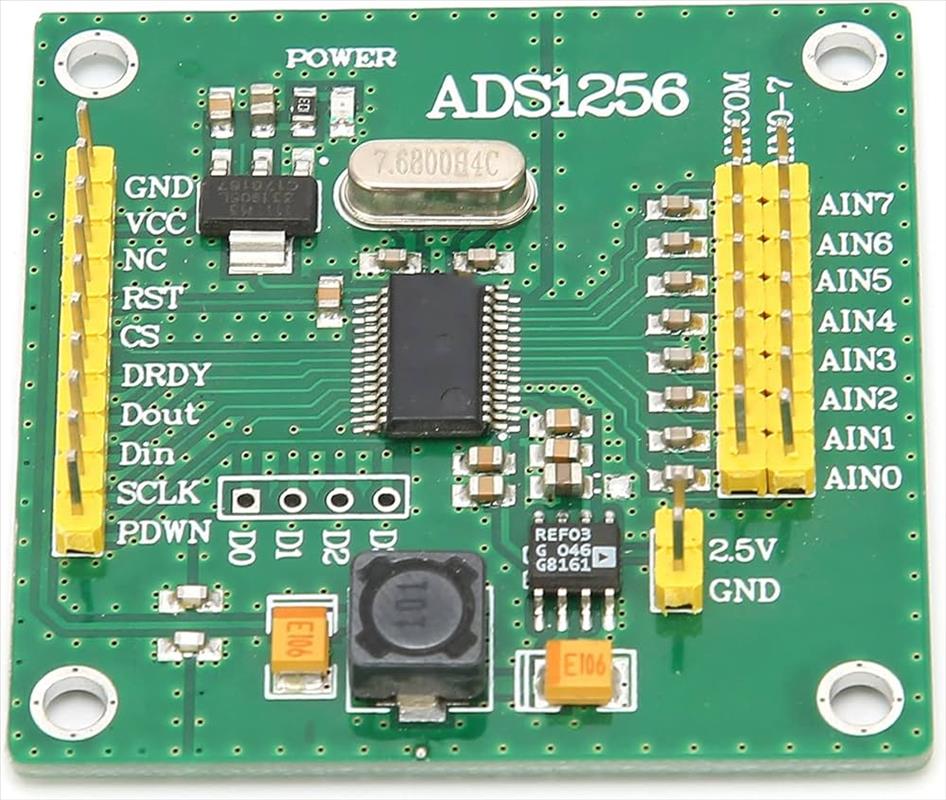
คำอธิบายตัวแปลงอนาล็อกเป็นดิจิทัล (ADC): ข้อมูลจำเพาะหลัก แอปพลิเคชัน และคู่มือการเลือก
2025-05-10
5833
การทำความเข้าใจตัวแปลงอนาล็อกเป็นดิจิทัล (ADC) ถือเป็นสิ่งสำคัญสำหรับการเพิ่มประสิทธิภาพของผลิตภัณฑ์ในอุปกรณ์อิเล็กทรอนิกส์สำหรับผู้บริโภค โดยการจัดลำดับความสำคัญของพารามิเตอร์ต่างๆ เช่น ความละเอียดและประสิทธิภาพการใช้พลังงาน ทีมจัดซื้อและวิศวกรรมสามารถเลือก ADC ที่สอดคล้องกับข้อกำหนดทางเทคนิคและงบประมาณ หากต้องการข้อมูลเชิงลึกที่ลึกซึ้งยิ่งขึ้น ให้สำรวจแหล่งข้อมูลจาก IEEE ซึ่งเป็นผู้นำด้านมาตรฐานวิศวกรรมอิเล็กทรอนิกส์
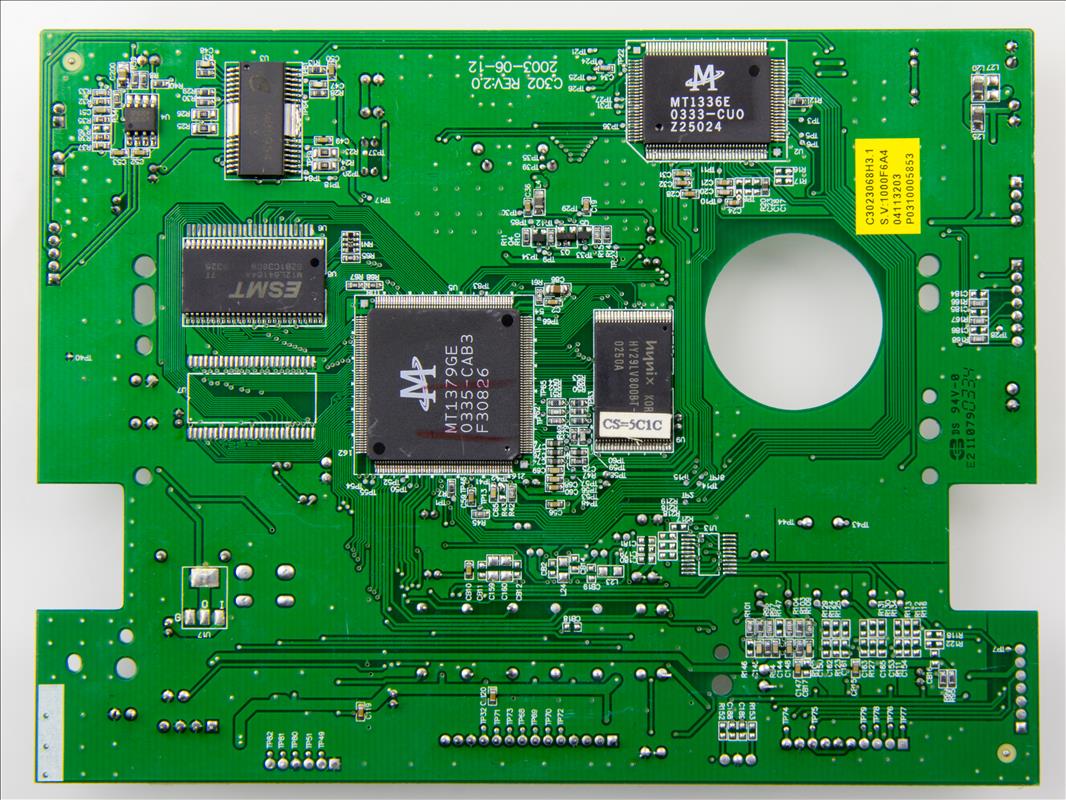
PCB Essentials: คู่มือที่ครอบคลุมสำหรับทีมจัดซื้อและวิศวกรรมอิเล็กทรอนิกส์
2025-05-10
6143
ค้นพบทุกสิ่งเกี่ยวกับ PCB รวมถึงประวัติ คุณลักษณะ พารามิเตอร์ บทบาท การใช้งาน และผู้ผลิตชั้นนำ ข้อมูลสำคัญสำหรับทีมจัดซื้อและวิศวกรรมในอุปกรณ์อิเล็กทรอนิกส์สำหรับผู้บริโภค
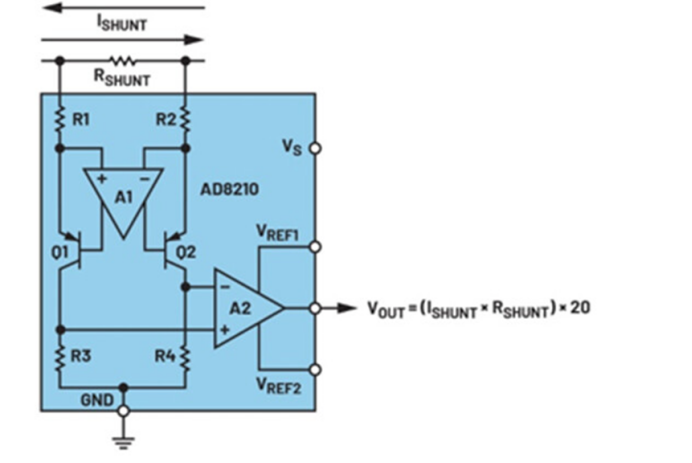
การวิเคราะห์ความแตกต่างและคุณลักษณะระหว่างแอมพลิฟายเออร์เซนส์กระแสและแอมพลิฟายเออร์เชิงอนุพันธ์
2025-05-08
5683
ในบทความนี้ เราจะเปรียบเทียบแอมพลิฟายเออร์เซนส์ปัจจุบันและแอมพลิฟายเออร์เชิงอนุพันธ์ พร้อมทั้งวิเคราะห์สถาปัตยกรรม ลักษณะการทำงาน และความแตกต่างของการใช้งาน โดยจะเน้นข้อดีของแอมพลิฟายเออร์เซนส์ปัจจุบันในด้านแบนด์วิดท์ อัตราส่วนการปฏิเสธโหมดทั่วไป (CMRR) และการใช้งานความถี่สูง
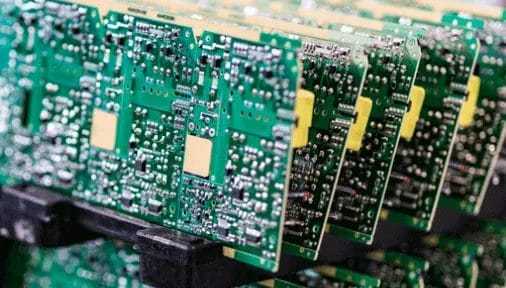
PCBA: คู่มือฉบับสมบูรณ์สำหรับทีมจัดซื้อและวิศวกรรมอิเล็กทรอนิกส์
2025-04-01
5780
การประกอบแผงวงจรพิมพ์ (Printed Circuit Board Assembly หรือ PCBA) คือกระบวนการประกอบชิ้นส่วนอิเล็กทรอนิกส์เข้ากับแผงวงจรพิมพ์ (Printed Circuit Board หรือ PCBA) เพื่อสร้างอุปกรณ์อิเล็กทรอนิกส์ที่ใช้งานได้ ขั้นตอนสำคัญนี้เชื่อมโยงการออกแบบและการผลิตเข้าด้วยกัน โดยเปลี่ยนแผงวงจรเปล่าให้กลายเป็นระบบที่จ่ายไฟให้กับอุปกรณ์อิเล็กทรอนิกส์สำหรับผู้บริโภคยุคใหม่ สำหรับทีมจัดซื้อและวิศวกรรม การทำความเข้าใจเกี่ยวกับ PCBA จะช่วยให้จัดหาสินค้าได้อย่างคุ้มต้นทุนและมีประสิทธิภาพของผลิตภัณฑ์ที่เชื่อถือได้ กระบวนการนี้เกี่ยวข้องกับการบัดกรีชิ้นส่วนต่างๆ เช่น ตัวต้านทาน ตัวเก็บประจุ และไอซีเข้ากับแผงวงจรพิมพ์โดยใช้เทคนิคต่างๆ เช่น เทคโนโลยีการติดตั้งบนพื้นผิว (Surface-Mount Technology หรือ SMT) หรือการประกอบแบบผ่านรู
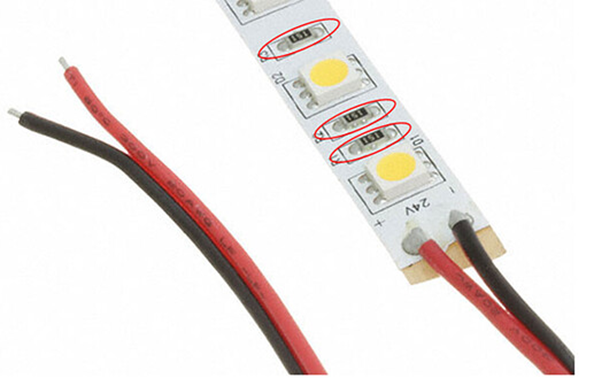
การติดตั้งไฟ LED: คุณควรเลือกไดรเวอร์ LED กระแสคงที่หรือแรงดันไฟคงที่?
2025-03-18
4353
บทความนี้กล่าวถึงวิธีการขับเคลื่อนไฟ LED สองวิธี ได้แก่ ตัวขับกระแสคงที่และตัวขับแรงดันคงที่ การเลือกใช้แบบใดแบบหนึ่งขึ้นอยู่กับข้อกำหนดของแอปพลิเคชัน ตัวขับกระแสคงที่เหมาะสำหรับแอปพลิเคชันขนาดใหญ่ ในขณะที่ตัวขับแรงดันคงที่เหมาะสำหรับสถานการณ์ที่คำนึงถึงต้นทุนและต้องการการปรับจำนวน LED ที่ยืดหยุ่นได้
เซ็นเซอร์ไมโครโฟนทำงานอย่างไร?
2025-03-18
3946
บทความนี้จะแนะนำหลักการทำงานของเซ็นเซอร์ไมโครโฟนและการประยุกต์ใช้ในเทคโนโลยีสมัยใหม่ ไมโครโฟนจะแปลงพลังงานเสียงเป็นพลังงานไฟฟ้าผ่านการสั่นของไดอะแฟรม โดยใช้กลไกการถ่ายโอนข้อมูล เช่น แม่เหล็กไฟฟ้า ตัวเก็บประจุ MEMS หรือเพียโซอิเล็กทริก เพื่อแปลงสัญญาณ สัญญาณเอาต์พุตจะได้รับการปรับให้เหมาะสมผ่านการขยายสัญญาณล่วงหน้าและการปรับสภาพสัญญาณ

การควบคุมความถี่ Wi-Fi 7: ส่วนประกอบทั้งสามนี้มีความสำคัญ!
2025-03-18
4217
บทความนี้เจาะลึกเกี่ยวกับเทคโนโลยี Wi-Fi 7 และความสำคัญอย่างยิ่งของการควบคุมความถี่ รวมถึงสำรวจว่าเทคโนโลยีต่างๆ เช่น การประสานงานความถี่อัตโนมัติ (AFC) การทำงานแบบมัลติลิงก์ (MLO) และการมอดูเลตแอมพลิจูดควอเดรเจอร์ 4K (4K QAM) จะช่วยปรับปรุงประสิทธิภาพของ Wi-Fi 7 ได้อย่างไร
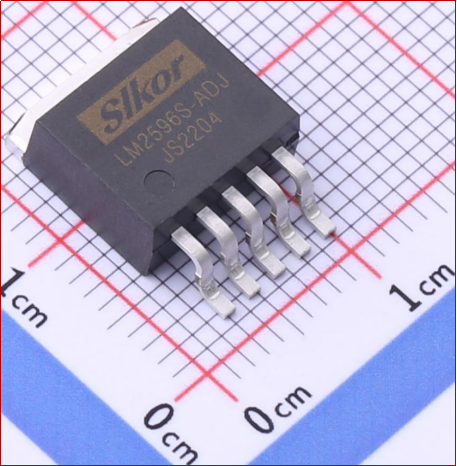
วิธีเลือกตัวควบคุมการสลับไฟฟ้า? ประเภททั่วไป คุณสมบัติ และแนวทางการเลือกตัวควบคุมการสลับไฟฟ้า
2025-03-12
3985
บทความนี้จะกล่าวถึงความสำคัญและข้อดีของการใช้งานตัวควบคุมแบบสวิตช์ในการออกแบบระบบอิเล็กทรอนิกส์ แนะนำตัวแปลงสวิตช์ประเภทต่างๆ และเปรียบเทียบความแตกต่างระหว่างตัวควบคุมเชิงเส้นกับแหล่งจ่ายไฟแบบสวิตช์โหมด (SMPS) นอกจากนี้ บทความนี้ยังให้ข้อมูลโดยละเอียดเกี่ยวกับผลิตภัณฑ์ตัวควบคุมแบบสวิตช์หลายรายการจาก SLKOR เซมิคอนดักเตอร์ที่มีประสิทธิภาพสูง ขนาดกะทัดรัด และกระแสไฟสแตนด์บายต่ำ บทความนี้ยังเน้นย้ำถึงความสำคัญของการแปลงพลังงานที่มีประสิทธิภาพสูงและขนาดเล็กในการออกแบบอุปกรณ์อิเล็กทรอนิกส์สมัยใหม่
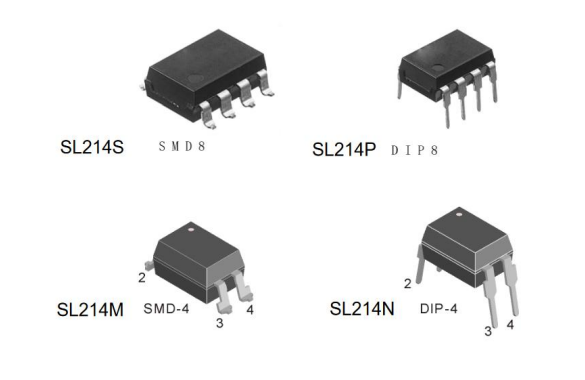
จำนวนปีความทนทานสามารถบอกถึงอายุการใช้งานของรีเลย์ได้หรือไม่?
2025-03-07
3844
ระยะเวลาก่อนที่จะเกิดความล้มเหลวหรืออายุการใช้งานของรีเลย์จะแตกต่างกันออกไป ขึ้นอยู่กับปัจจัยต่างๆ เช่น โหลด ความถี่การสลับ และสภาพแวดล้อมการทำงาน ซึ่งทำให้ไม่สามารถกำหนดจำนวนปีที่แน่นอนสำหรับความทนทานได้
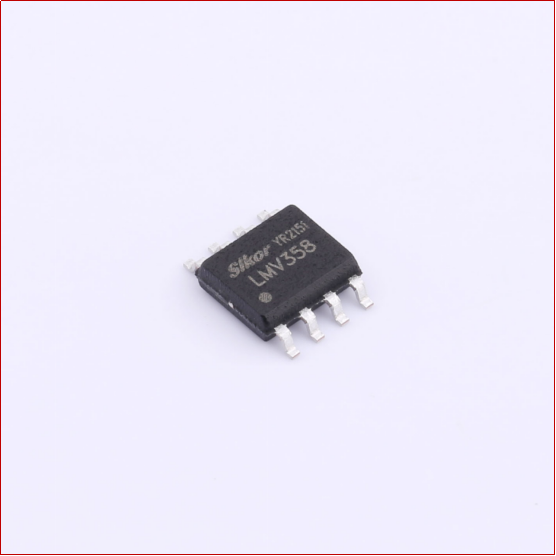
Op-amp ทั่วไปมีบทบาทสำคัญในวงจรต่างๆ
2024-12-18
3803
General Op-amp เป็นหนึ่งในส่วนประกอบที่สำคัญที่สุดในอุปกรณ์อิเล็กทรอนิกส์สำหรับผู้บริโภคยุคใหม่ ซึ่งใช้กันอย่างแพร่หลายในแอปพลิเคชันต่างๆ ตั้งแต่การประมวลผลเสียงไปจนถึงการขยายสัญญาณ สำหรับทีมจัดซื้อและวิศวกรรมในบริษัทอิเล็กทรอนิกส์สำหรับผู้บริโภค การทำความเข้าใจลักษณะ บทบาท และแอปพลิเคชันของ General Op-amp ถือเป็นสิ่งสำคัญ ในบทความนี้ เราจะสำรวจทุกแง่มุมของ General Op-amp ตั้งแต่ประวัติการพัฒนาไปจนถึงแอปพลิเคชันในปัจจุบันและผู้ผลิตชั้นนำในสาขานี้
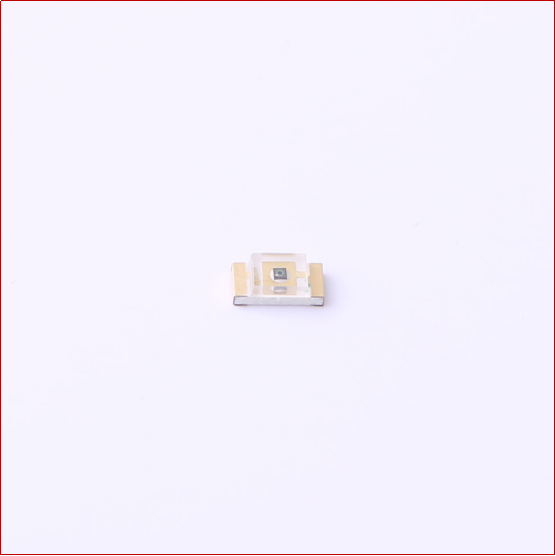
ผู้ผลิตชั้นนำของโฟโตไดโอด
2024-12-17
3729
โฟโตไดโอดเป็นส่วนประกอบสำคัญในอุปกรณ์อิเล็กทรอนิกส์หลากหลายประเภท ไม่ว่าคุณจะอยู่ในฝ่ายจัดซื้อหรือฝ่ายวิศวกรรม การทำความเข้าใจหลักการ คุณลักษณะ และการใช้งานของโฟโตไดโอดถือเป็นสิ่งสำคัญสำหรับการออกแบบและการบูรณาการระบบอิเล็กทรอนิกส์ให้ประสบความสำเร็จ บทความนี้ครอบคลุมทุกสิ่งที่คุณจำเป็นต้องรู้เกี่ยวกับโฟโตไดโอด ตั้งแต่การทำงานพื้นฐานไปจนถึงบทบาทในอุปกรณ์อิเล็กทรอนิกส์สมัยใหม่
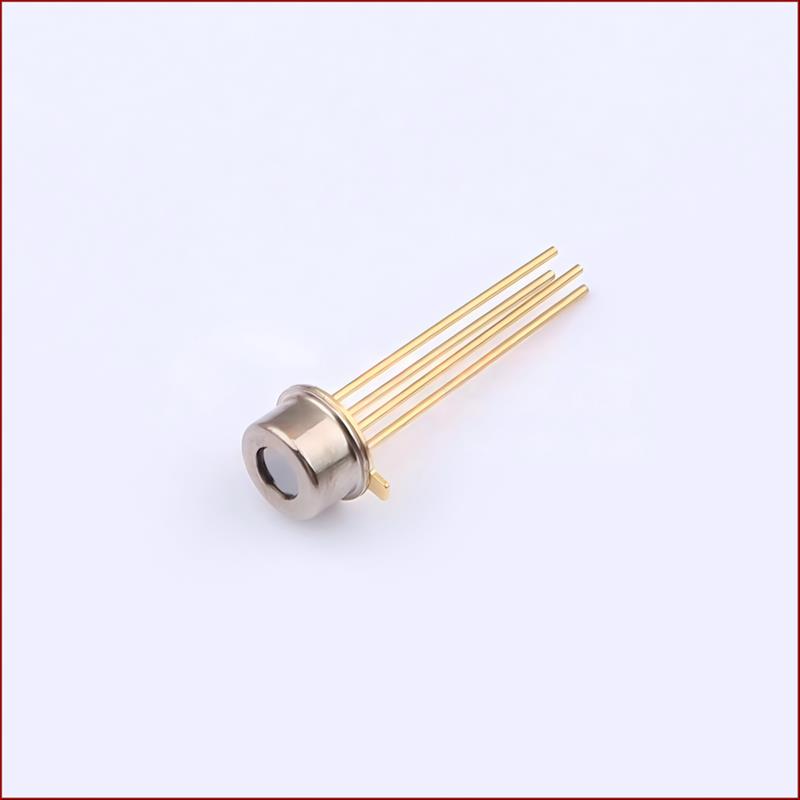
บทบาทของเซ็นเซอร์วัดอุณหภูมิในอุปกรณ์อิเล็กทรอนิกส์
2024-12-11
3632
เซ็นเซอร์วัดอุณหภูมิมีบทบาทสำคัญในการทำงานของอุปกรณ์อิเล็กทรอนิกส์สมัยใหม่ โดยเฉพาะในอุปกรณ์อิเล็กทรอนิกส์สำหรับผู้บริโภค เซ็นเซอร์เหล่านี้ใช้กันอย่างแพร่หลายในแอปพลิเคชันต่างๆ ตั้งแต่สมาร์ทโฟนไปจนถึงเครื่องใช้ในบ้าน เพื่อให้แน่ใจว่าการทำงานจะเหมาะสมโดยการตรวจสอบการเปลี่ยนแปลงของอุณหภูมิ ในบทความนี้ เราจะสำรวจทุกอย่างเกี่ยวกับเซ็นเซอร์วัดอุณหภูมิ รวมถึงการพัฒนา คุณลักษณะ พารามิเตอร์ และการใช้งาน การทำความเข้าใจด้านต่างๆ ของเซ็นเซอร์วัดอุณหภูมิถือเป็นสิ่งสำคัญสำหรับทีมจัดซื้อและวิศวกรรมในบริษัทอิเล็กทรอนิกส์สำหรับผู้บริโภคในการตัดสินใจอย่างรอบรู้
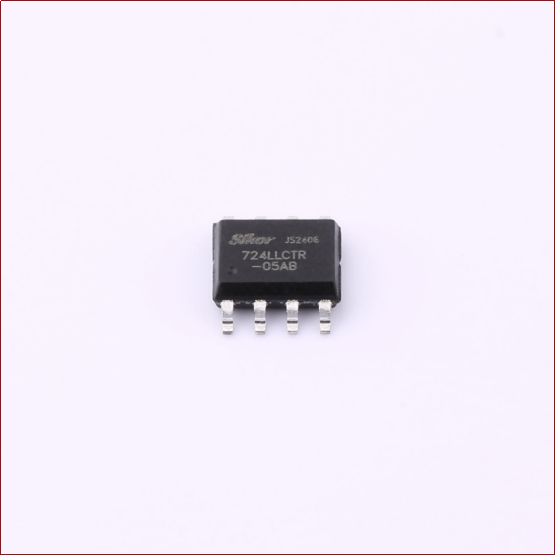
เซ็นเซอร์กระแสไฟฟ้าเป็นสิ่งสำคัญสำหรับการป้องกันวงจรจากกระแสไฟฟ้าเกิน
2024-12-07
3863
เซ็นเซอร์กระแสไฟฟ้าเป็นส่วนประกอบอิเล็กทรอนิกส์ที่จำเป็นซึ่งออกแบบมาเพื่อตรวจจับและวัดการไหลของกระแสไฟฟ้าภายในวงจร โดยจะแปลงกระแสไฟฟ้าที่ไหลผ่านวงจรเป็นสัญญาณไฟฟ้าตามสัดส่วนที่ไมโครคอนโทรลเลอร์หรือระบบประมวลผลสามารถอ่านและตีความได้ เซ็นเซอร์กระแสไฟฟ้าใช้ในแอปพลิเคชันต่างๆ มากมาย รวมถึงการตรวจสอบพลังงาน ระบบป้องกัน และการออกแบบประหยัดพลังงาน เซ็นเซอร์กระแสไฟฟ้ามีความสำคัญอย่างยิ่งในอุตสาหกรรมต่างๆ เช่น ยานยนต์ อุปกรณ์อิเล็กทรอนิกส์สำหรับผู้บริโภค และเครื่องจักรอุตสาหกรรม โดยรับประกันการทำงานของระบบไฟฟ้าอย่างปลอดภัยและมีประสิทธิภาพ
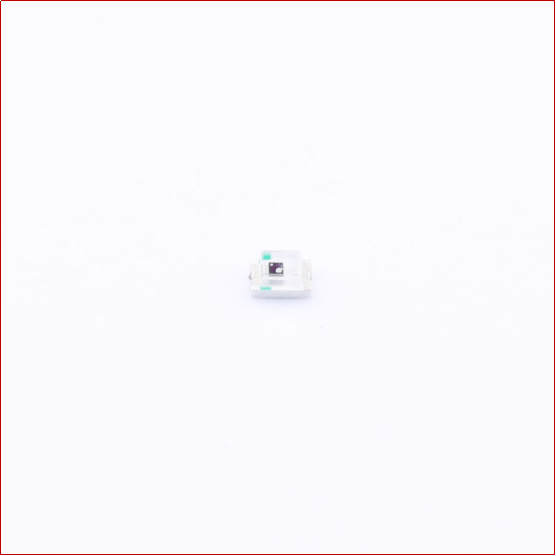
เซ็นเซอร์วัดแสงโดยรอบมีบทบาทสำคัญหลายประการในระบบอิเล็กทรอนิกส์สมัยใหม่
2024-12-07
3791
เซ็นเซอร์วัดแสงโดยรอบเป็นส่วนประกอบสำคัญที่ใช้ในอุปกรณ์อิเล็กทรอนิกส์เพื่อวัดระดับแสงโดยรอบ โดยการตรวจจับความเข้มของแสงโดยรอบ เซ็นเซอร์สามารถปรับความสว่างของจอแสดงผลหรือการตั้งค่าอื่นๆ เพื่อปรับปรุงประสบการณ์การใช้งานของผู้ใช้และประสิทธิภาพการใช้พลังงาน เซ็นเซอร์ทำงานโดยแปลงแสงเป็นสัญญาณไฟฟ้า ซึ่งสามารถประมวลผลได้โดยระบบอิเล็กทรอนิกส์เพื่อควบคุมความสว่างของหน้าจอหรือโหมดพลังงาน เซ็นเซอร์นี้ใช้กันอย่างแพร่หลายในอุปกรณ์อิเล็กทรอนิกส์สำหรับผู้บริโภค แอปพลิเคชันยานยนต์ และแม้แต่บ้านอัจฉริยะ เพื่อเพิ่มฟังก์ชันการทำงานของอุปกรณ์และความสะดวกสบายของผู้ใช้
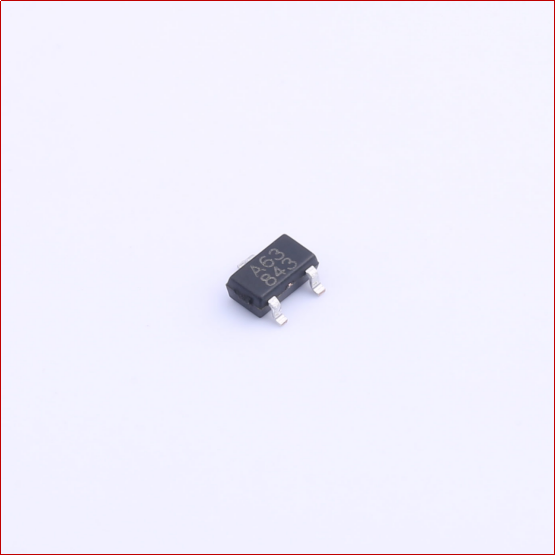
บทนำเกี่ยวกับเซนเซอร์เอฟเฟกต์ฮอลล์
2024-12-06
3752
เซ็นเซอร์เอฟเฟกต์ฮอลล์เป็นส่วนประกอบอิเล็กทรอนิกส์ที่จำเป็นซึ่งมีบทบาทสำคัญในการใช้งานในอุตสาหกรรมและผู้บริโภคต่างๆ โดยพื้นฐานแล้ว เซ็นเซอร์นี้เป็นตัวแปลงสัญญาณชนิดหนึ่งที่ตรวจจับการมีอยู่ของสนามแม่เหล็กและแปลงปรากฏการณ์ทางกายภาพนี้เป็นสัญญาณไฟฟ้าที่วัดได้ เซ็นเซอร์นี้ทำงานบนเอฟเฟกต์ฮอลล์ ซึ่งค้นพบโดยเอ็ดวิน ฮอลล์ นักฟิสิกส์ในปี 1879 เมื่อมีการใช้สนามแม่เหล็กกับตัวนำที่มีกระแสไฟฟ้า แรงดันไฟฟ้าจะถูกเหนี่ยวนำข้ามตัวนำในแนวตั้งฉากกับกระแสไฟฟ้าและสนามแม่เหล็ก แรงดันไฟฟ้านี้คือสิ่งที่เซ็นเซอร์เอฟเฟกต์ฮอลล์ตรวจจับและประมวลผล
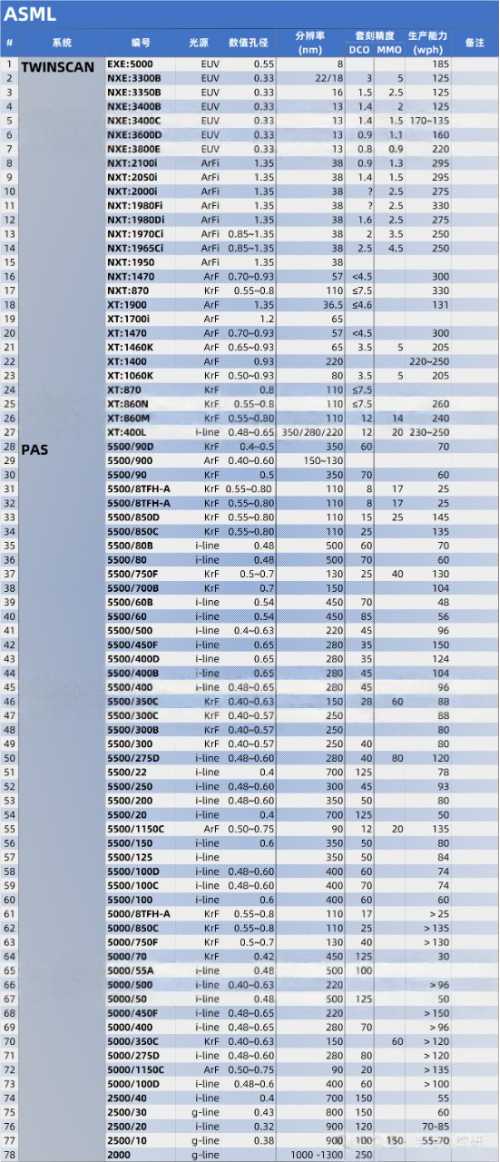
รายชื่อรุ่นเครื่องพิมพ์หินหลัก 3 รุ่นของ ASML, NIKON และ CANON
2024-10-31
3642
ในบรรดาอุปกรณ์เซมิคอนดักเตอร์ทั้งหมด เครื่องพิมพ์หินเป็นหมวดหมู่ที่มีหัวข้อร้อนแรงที่สุด ก่อนหน้านี้ ฉันดาวน์โหลดและรวมรุ่นเครื่องพิมพ์หินที่วางจำหน่ายโดย ASML, NIKON และ CANON จากเว็บไซต์อย่างเป็นทางการของพวกเขา และสรุปไว้ในตารางเพื่อให้ทุกคนใช้อ้างอิง ผู้อ่านให้ข้อเสนอแนะที่ดี ผู้นำในอุตสาหกรรมหลายคนอ้างถึงข้อมูลของฉันเมื่อเขียนบทความ ซึ่งทำให้มีผู้เข้าชมบัญชีอย่างเป็นทางการของฉันเป็นจำนวนมาก แน่นอนว่ายังมีมืออาชีพในการซื้อขายอุปกรณ์ที่เตือนฉันว่า จริงๆ แล้ว จำนวนรุ่นเครื่องพิมพ์หินที่เปิดตัวโดยทั้งสามบริษัทในประวัติศาสตร์มีมากกว่านี้มาก เพียงแต่เนื่องจากบางรุ่นเก่าเกินไปและโรงงานเดิมหยุดขายไปนานแล้ว ดังนั้นจึงไม่สามารถค้นหาข้อมูลที่เกี่ยวข้องได้ในเว็บไซต์อย่างเป็นทางการ อย่างไรก็ตาม อุปกรณ์เหล่านี้ในตลาดยังคงมีการซื้อขายและใช้เป็นสินค้ามือสอง ในปัจจุบัน จำนวนรุ่นเครื่องพิมพ์หินของซัพพลายเออร์ทั้งสามที่รวบรวมได้มีทั้งหมด 185 รุ่น ซึ่งครอบคลุมรุ่นเครื่องพิมพ์หินส่วนใหญ่ของซัพพลายเออร์ทั้งสามรายในตลาด
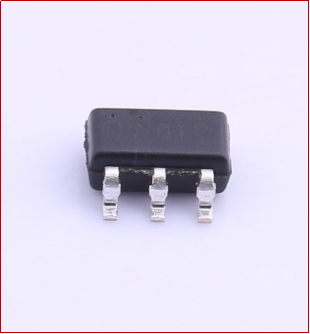
การจัดการแบตเตอรี่มีบทบาทสำคัญในการรับประกันประสิทธิภาพและอายุการใช้งานของอุปกรณ์ที่ใช้แบตเตอรี่
2024-08-29
3764
ในแวดวงของเครื่องใช้ไฟฟ้า การจัดการแบตเตอรี่มีบทบาทสำคัญในการรับประกันประสิทธิภาพและอายุการใช้งานของอุปกรณ์ที่ใช้แบตเตอรี่ บทความนี้จะเจาะลึกถึงสิ่งสำคัญของการจัดการแบตเตอรี่ โดยมอบความรู้เชิงลึกที่จำเป็นต่อทีมจัดซื้อและวิศวกรรมสำหรับการนำไปใช้งานและเพิ่มประสิทธิภาพอย่างมีประสิทธิผล
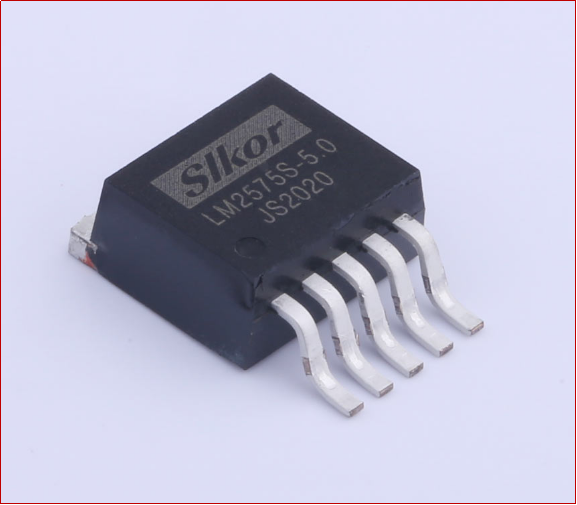
ตัวควบคุม DC-DC เป็นส่วนประกอบสำคัญในระบบอิเล็กทรอนิกส์สมัยใหม่ ช่วยให้การจัดการพลังงานมีประสิทธิภาพและมีเสถียรภาพ
2024-08-29
3478
ตัวควบคุม DC-DC เป็นส่วนประกอบที่สำคัญในระบบอิเล็กทรอนิกส์สมัยใหม่ ช่วยให้จัดการพลังงานได้อย่างมีประสิทธิภาพและมีเสถียรภาพ บทความนี้ให้ข้อมูลสรุปเกี่ยวกับตัวควบคุม DC-DC อย่างครอบคลุม ครอบคลุมถึงคำจำกัดความ พัฒนาการในอดีต คุณลักษณะสำคัญ พารามิเตอร์ บทบาท การใช้งาน และผู้ผลิตที่มีชื่อเสียง การทำความเข้าใจในแง่มุมเหล่านี้ถือเป็นสิ่งสำคัญสำหรับทีมจัดซื้อและวิศวกรรมในบริษัทอิเล็กทรอนิกส์สำหรับผู้บริโภค





 粤公网安备44030002007346号