
























Hotline usługi
Blogi

Blogi
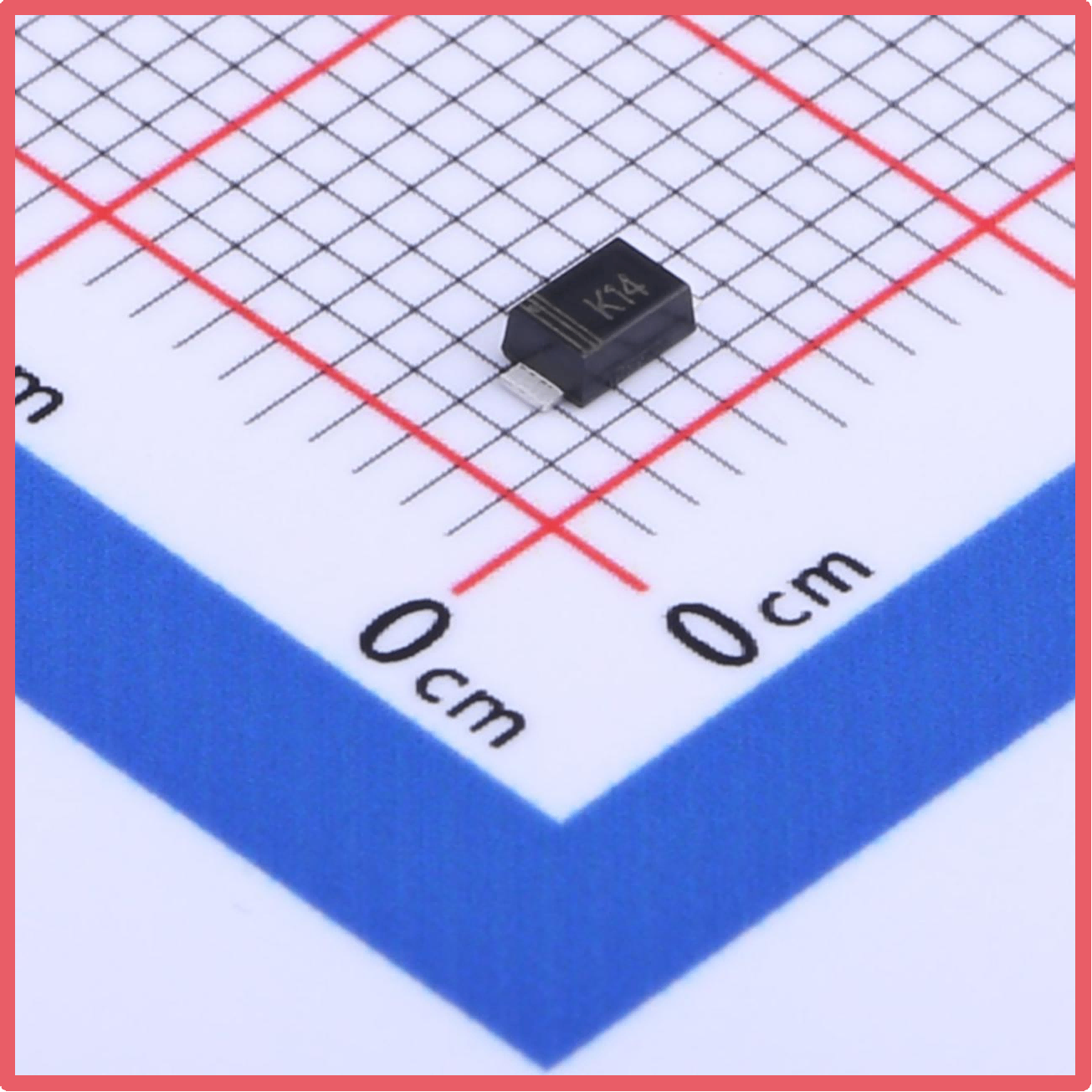
Dioda Schottky’ego DSK14: Szybkość, wydajność i stabilność – trzy podstawowe zalety torujące drogę dla wysokowydajnej elektroniki
2026-07-21
4081
Dzięki szybkiemu postępowi technologicznemu, płynne działanie każdego inteligentnego urządzenia opiera się na skoordynowanej pracy niezliczonych, precyzyjnych komponentów elektronicznych. Jako „serce” systemów elektronicznych, układy półprzewodnikowe bezpośrednio decydują o wydajności i niezawodności sprzętu. Dioda Schottky'ego DSK14, wprowadzona na rynek przez firmę Slkor Semiconductor, to wysokowydajny komponent, którego trzy główne atuty to: szybkość, wydajność i stabilność, wprowadzający nowy impuls w dziedzinie zarządzania energią, przetwarzania sygnałów o wysokiej częstotliwości i innych dziedzin.
Prędkość: Najszybszy wykonawca ery wysokich częstotliwości
W zastosowaniach o wysokiej częstotliwości, takich jak komunikacja 5G i szybkie układy cyfrowe, szybkość reakcji komponentów decyduje o wydajności przetwarzania sygnału. Dzięki ultrakrótkiemu czasowi odzyskiwania sygnału, dioda Schottky'ego DSK14 wyróżnia się jako lider szybkości w układach o wysokiej częstotliwości.
Gdy obwód przełącza się ze stanu WŁ. na WYŁ., konwencjonalne diody doświadczają opóźnień spowodowanych efektami magazynowania ładunku. Dzięki optymalizacji konstrukcji i procesów produkcji materiałów, DSK14 minimalizuje to opóźnienie niemal do zera. Umożliwia to ultraszybkie przejścia między stanami w prostowaniu sygnałów RF, zasilaczach impulsowych i innych zastosowaniach, redukując zniekształcenia sygnału i straty energii, a jednocześnie zapewniając czystsze środowisko sygnałowe dla urządzeń o wysokiej częstotliwości.
Pakiet DSK14 SOD-123FL
Wydajność: Specjalista ds. oszczędzania energii w celu wysokowydajnej konwersji energii
W obliczu rosnącego globalnego zapotrzebowania na energię, zwiększenie sprawności konwersji energii stało się kluczowym priorytetem. Dzięki niskiemu spadkowi napięcia przewodzenia, DSK14 jest idealnym wyborem do projektów zasilaczy o wysokiej sprawności.
Gdy prąd przepływa przez diodę, tradycyjne komponenty marnują znaczną ilość energii w postaci ciepła z powodu wysokiego spadku napięcia. DSK14 generuje spadek napięcia przewodzenia zaledwie 550 mV przy prądzie roboczym 1 A, co drastycznie zmniejsza rozpraszanie energii. Przykładowo, integracja DSK14 z zasilaczami impulsowymi lub adapterami sieciowymi zmniejsza generowanie ciepła, podnosi ogólną sprawność konwersji, wydłuża żywotność baterii urządzenia i obniża koszty zarządzania temperaturą – oferując solidne wsparcie dla zastosowań związanych z zieloną energią.
Karta katalogowa DSK12-DSK120 Specyfikacja elektryczna
Stabilność: Niezawodny partner zapewniający długoterminową, ciągłą pracę
Niezawodność jest kluczową przewagą konkurencyjną w segmencie podzespołów półprzewodnikowych. Przestrzegając rygorystycznych procesów produkcyjnych i standardów testowania jakości, Slkor zapewnia stałą wydajność DSK14 podczas długotrwałej eksploatacji.
Jego napięcie blokowania wstecznego 40 V DC i średni prąd prostowania 1 A spełniają wymagania większości zastosowań przemysłowych i elektroniki użytkowej. W systemach sterowania silnikami, DSK14 szybko reaguje na wahania prądu, zapewniając precyzyjną regulację. W falownikach słonecznych wytrzymuje wahania napięcia, gwarantując stabilną konwersję energii. Ponadto, niski prąd upływu, wynoszący 500 μA przy napięciu wstecznym 40 V, minimalizuje upływ prądu w warunkach wysokiego napięcia, zapewniając bezpieczną pracę urządzeń.
Krzywe charakterystyczne serii DSK
Scenariusze zastosowań: Wszechstronne urządzenia od sprzętu laboratoryjnego po elektronikę codziennego użytku
DSK14 oferuje wyjątkową wszechstronność wykraczającą poza teoretyczne parametry wydajności:
Zarządzanie energią:Służy jako główny prostownik w zasilaczach impulsowych, zwiększając efektywność energetyczną i umożliwiając produkcję urządzeń o mniejszych rozmiarach.
Przetwarzanie sygnału:Jego doskonałe parametry w zakresie wysokich częstotliwości sprawiają, że jest to najlepszy wybór do obwodów RF i szybkich obwodów cyfrowych.
Systemy napędowe silnikowe:Szybko reaguje na sygnały sterujące, zapewniając efektywną regulację prędkości.
Falowniki fotowoltaiczne:Zmniejsza straty energii, zwiększając ogólną wydajność wytwarzania energii przez systemy fotowoltaiczne.
Niezależnie od tego, czy zostanie zastosowany w maszynach przemysłowych, elektronice użytkowej czy nowych sektorach energetycznych, DSK14 działa jako niewidzialny, rdzeń napędzający innowacje technologiczne.
Wskazówki projektowe dotyczące maksymalizacji wydajności DSK14
Choć DSK14 zapewnia najwyższą wydajność, aby w pełni wykorzystać jego potencjał, niezbędna jest zoptymalizowana konstrukcja obwodów:
Należy przestrzegać maksymalnych znamionowych wartości prądu i napięcia danego komponentu, aby uniknąć przeciążenia.
W przypadku zastosowań o wysokiej częstotliwości, w których istnieje ryzyko gromadzenia się ciepła, należy zainstalować radiatory lub zoptymalizować układ PCB, aby utrzymać temperaturę komponentów w bezpiecznych granicach roboczych.
Zminimalizuj długość ścieżek obwodu, aby zmniejszyć indukcyjność pasożytniczą, która pogarsza szybkość przełączania.
Aby uzyskać optymalną wydajność, zapoznaj się z pełną, oficjalną kartą danych Slkor i dostosuj parametry zgodnie ze scenariuszami konkretnego zastosowania.
Slkor Semiconductor: Wspieranie innowacji poprzez technologię
Jako innowator w branży półprzewodników, Slkor Semiconductor kieruje się filozofią „Najpierw jakość, technologia”. Dostarczamy wysokowydajne rozwiązania elektroniczne dzięki zaawansowanym procesom produkcyjnym i rygorystycznej kontroli jakości.
Wprowadzenie na rynek diody Schottky'ego DSK14 jest odzwierciedleniem tego zaangażowania: jest to coś więcej niż tylko dyskretny element – to namacalny dowód zaangażowania firmy Slkor w wydajność, niezawodność i innowacje technologiczne.
W obliczu trwającej rewolucji technologicznej, dioda Schottky'ego DSK14 stała się preferowanym komponentem w projektach elektronicznych o wysokiej częstotliwości i wysokiej wydajności, napędzana swoimi unikalnymi zaletami szybkości, sprawności i stabilności. Inżynierowie dążący do osiągnięcia maksymalnej wydajności oraz branże nastawione na zrównoważony rozwój mogą czerpać inspirację z tego przełomowego urządzenia. W przyszłości firma Slkor Semiconductor będzie nadal napędzać innowacje, opracowywać kolejne wysokowydajne „niewidzialne komponenty rdzeniowe” dla globalnego przemysłu elektronicznego i zapoczątkowywać nową erę wyższej wydajności w technologii i codziennym życiu.
O firmie Slkor Semiconductor
Wysokiej klasy portfolio produktów firmy Slkor obejmuje diody z węglika krzemu (SiC), tranzystory MOSFET z węglika krzemu, tranzystory IGBT i diody mocy o ultraszybkim odzyskiwaniu piątej generacji, przeznaczone do pojazdów zasilanych nowymi źródłami energii, maszyn wysokiej klasy, urządzeń telekomunikacyjnych, ogniw słonecznych, urządzeń medycznych, automatyki przemysłowej i innych gałęzi przemysłu.
Nasza gama produktów ogólnego przeznaczenia obejmuje diody Schottky'ego, diody zabezpieczające przed wyładowaniami elektrostatycznymi (ESD), tłumiki przepięć TVS, diody i tranzystory ogólnego przeznaczenia. Urządzenia zasilające obejmują tranzystory MOSFET niskiego/średniego/wysokiego napięcia, tyrystory i mostki prostownicze. Komponenty pomocnicze obejmują układy scalone do zarządzania zasilaniem (LDO, AC-DC, ADC), czujniki Halla, szybkie optoizolatory i oscylatory kwarcowe.
Produkty te są powszechnie stosowane w smartfonach, laptopach, robotach, inteligentnych urządzeniach gospodarstwa domowego, urządzeniach IoT, oświetleniu LED, elektronice 3C, inteligentnych urządzeniach noszonych i sprzęcie o pełnym spektrum łączności.
Strona internetowa: www.slormicro.com
Wizja: Stać się wiodącym przedsiębiorstwem w branży półprzewodników
DSK14 Do strony produktu

Badania nad „telefonami Shanzhai” Huaqiangbei (część Ⅱ)
2026-05-18
4565
— Song Shiqiang, SlkorW okresie rozwoju Huaqiangbei, „telefony Shanzhai” stały się tematem, którego nie można było zignorować. Tylko w 2007 roku sprzedaż telefonów Huaqiangbei Shanzhai osiągnęła 150 milionów sztuk, co stanowiło jedną szóstą całkowitej światowej produkcji telefonów komórkowych w tym roku. Wzrost i upadek telefonów Shanzhai nastąpił gwałtownie. Wykreował on wielu milionerów z maleńkich „metrowych liczników” w Huaqiangbei, ale doprowadził również do tragicznych historii, takich jak bankructwo i załamanie psychiczne „Księcia Telefonów Shanzhai”, Chen Jinlinga.Fenomen telefonów Shanzhai miał również pozytywne strony. Przyczynił się do promocji kultury twórców w Huaqiangbei, przekształcając Shenzhen w „Dolinę Krzemową Sprzętu” i „Raj Przedsiębiorczości”. Dał również początek lokalnym markom telefonów komórkowych, takim jak Meizu, G5, Longcheer i Transsion. Pod wieloma względami stał się fundamentem „ducha twórców w Huaqiangbei” i „ducha przedsiębiorczości w Shenzhen”.Jednak branża telefoniczna Shanzhai znajdowała się wówczas w konflikcie z naciskiem rządu na ochronę własności intelektualnej, świadomość patentową i rozwój marki. W rezultacie znajdowała się na rozdrożu między rozwojem rynku, innowacjami technologicznymi, regulacjami rządowymi, rozwojem gospodarczym, etyką biznesu i prawodawstwem. Konflikty i porażki stały się niemal nieuniknione, dlatego oficjalne media i wielu ekonomistów rzadko poruszało temat telefonu Shanzhai firmy Huaqiangbei.Autorytatywne media i instytucje branżowe, w tym Harvard Business Review, zbadały przypadki MediaTek i rynku telefonów komórkowych typu white box, wykorzystując różne modele analizy biznesowej. Należą do nich analiza SWOT, analiza pięciu sił Portera, analiza PESTEL, analiza VRIO, analiza łańcucha wartości, analiza macierzy BCG, analiza macierzy Ansoffa oraz analiza miksu marketingowego.Jako wieloletni świadek wydarzeń w Huaqiangbei, ja, Song Shiqiang z Kinghelm i Slkor, pragnę obiektywnie i wiernie udokumentować to, co widziałem i czego doświadczyłem, odtwarzając prawdziwą historię Huaqiangbei w tamtym okresie. Stosując podstawowe teorie socjoekonomiczne, mam również nadzieję systematycznie przeanalizować głębszą logikę stojącą za fenomenem „telefonu Huaqiangbei Shanzhai” i oddać hołd epoce pełnej możliwości i szybkiego wzrostu gospodarczego.
Shanzai! MediaTek i rynek telefonów komórkowych White Box – studium przypadku i analiza rozwiązań
W nawiązaniu do poprzedniego artykułu pana Songa z Slkor, Badania nad telefonami Huaqiangbei Shanzhai (część I), ta sekcja kontynuuje dyskusję na temat pochodzenia „Shanzhai”, ewolucji technologicznej telefonów Huaqiangbei Shanzhai i dwóch głównych okresów prosperity w branży.Ⅳ. Cud bogactwa HuaqiangbeiDzielnica Huaqiangbei w dystrykcie Futian w Shenzhen miała wszystkie sprzyjające warunki do koncentracji bogactwa i powstawania dużej liczby milionerów i miliarderów — idealne połączenie „czasu, lokalizacji i ludzi”.Na początku chińskich reform i otwarcia, świat doświadczał trzeciego dużego globalnego transferu przemysłowego, podczas którego produkcja wyrobów przemysłowych została przeniesiona z Europy, Stanów Zjednoczonych i Czterech Azjatyckich Tygrysów do Chin. To był „właściwy moment”. Shenzhen, jako jedna z pierwszych czterech chińskich Specjalnych Stref Ekonomicznych, cieszyło się niezależnymi władzami ustawodawczymi, bardzo elastyczną polityką i strategicznym położeniem geograficznym w sąsiedztwie Hongkongu — „Perły Orientu” — a jednocześnie leżało blisko Azji Południowo-Wschodniej, gdzie mieszkało wiele chińskich społeczności biznesowych za granicą. To była „właściwa lokalizacja”. W tym samym czasie do Shenzhen napływała duża liczba pracowników migrujących z całych Chin. Zdobyli podstawowe wykształcenie, byli pracowici i zdyscyplinowani, a także akceptowali stosunkowo niskie płace i świadczenia, co skutkowało niskimi kosztami pracy. To byli „właściwi ludzie”.Huaqiangbei słynęło z „trzech obfitości” – ludzi, towarów i pieniędzy. W szczytowym okresie w Huaqiangbei działało ponad 60 000 małych i średnich przedsiębiorstw oraz 40 000 samozatrudnionych firm, zatrudniających dziennie około 500 000 pracowników i kupców. W okresie świątecznym ruch turystyczny przekraczał 800 000 osób, a klienci często musieli stać w kolejkach, aby wejść do centrów handlowych, takich jak Vanguard Department Store i Women's World.Roczny wolumen transakcji w Huaqiangbei przekroczył 300 miliardów RMB. Opłaty za przelewy za zaledwie jeden metr powierzchni lady mogły sięgać 300 000 RMB, podczas gdy najlepsze nieruchomości handlowe w SEG Plaza sprzedawały się za nawet 300 000 RMB za metr kwadratowy. Chociaż dom towarowy Vanguard miał powierzchnię handlową zaledwie 3,000 metrów kwadratowych, jego dzienne przychody osiągnęły kiedyś 3 miliony RMB, co uczyniło go jedną z najprężniej rozwijających się powierzchni handlowych na świecie pod względem sprzedaży na metr kwadratowy. W ciągu 30 lat produkcja gospodarcza Huaqiangbei wzrosła z niecałych 2 miliardów RMB do 300 miliardów RMB, przekształcając dawną „Strefę Przemysłową Shangbu” w „Ulicę Elektroniki nr 1 w Chinach”. PKB dzielnicy Huaqiangbei w dzielnicy Futian ostatecznie dorównało PKB dzielnicy Yuehai w dzielnicy Nanshan, jednego z najbardziej znanych centrów gospodarczych Shenzhen.
Pan Song ze Slkor podsumowuje fenomen bogactwa Shenzhen Huaqiangbei
Pan Cheng Yimu z Izby Handlowo-Elektronicznej w Shenzhen jest jednym ze świadków historii Huaqiangbei. Według niego, Huaqiangbei było pierwotnie centrum przemysłu elektronicznego w Shenzhen. W tamtym czasie w strefie przemysłowej Shangbu, gdzie znajduje się Huaqiangbei, mieściło się wiele znanych fabryk elektronicznych i instytucji rządowych, w tym Huaqiang Sanyo TV, SED Philips, Jinghua Electronics, SEG Hitachi i Huaqiang Electronics Factory.Po przystąpieniu Chin do Światowej Organizacji Handlu (WTO), Chiny kontynentalne szybko stały się „fabryką świata”. Branża elektroniczna i informatyczna odnotowała gwałtowny wzrost, a napędzana przez takich gigantów jak SEG i Huaqiang, Huaqiangbei szybko awansowała do rangi „chińskiej ulicy elektronicznej numer 1”.Jednocześnie, na obszarach poza zasięgiem surowych regulacji rządowych, potęga szarej strefy również przyczyniła się do cudów gospodarczych. Łańcuch dostaw telefonów Shanzhai rozwijał się po cichu w delcie Rzeki Perłowej, by ostatecznie przekształcić się w Huaqiangbei w potężną siłę przemysłową. Wielu przybyszów z zewnątrz, którzy przybyli do Huaqiangbei, aby zarobić na życie, było gotowych podważyć stare zasady i przyjąć przełomowe innowacje.Rozwój ekosystemu wolnego rynku w Huaqiangbei był w istocie procesem optymalizacji zasobów i napędzania innowacji przemysłowych. Niektórzy właściciele małych firm, działający w maleńkich „punktach sprzedaży o metrażu”, stopniowo stali się znani jako pierwsi „twórcy Huaqiangbei”. Unikalny model biznesowy i kultura dzielenia się zyskami zachęcały ambitnych nowicjuszy do eksperymentowania, rywalizacji i innowacji. W środowisku, w którym „można było spróbować wszystkiego, co nie jest zakazane”, Huaqiangbei stworzyło własną erę chwały.Wielu ludzi umacniało się również dzięki wielokrotnym porażkom i zaciętej konkurencji biznesowej, stając się w końcu znanymi przedsiębiorcami. Oto „kultura Huaqiangbei”, którą podsumował pan Song z Slkor i Kinghelm – kultura charakteryzująca się innowacyjnością, podejmowaniem ryzyka, odpornością i pragmatyzmem.
Huaqiangbei było pierwotnie ośrodkiem przemysłu elektronicznego i informacyjnego — Zdjęcie dostarczone przez Cheng Yimu
Strateg medialny Wang Zhigang powiedział kiedyś: „Bóg uwalnia diabła, ale diabeł tworzy raj”. Odzwierciedla to socjologiczną teorię „niezamierzonych konsekwencji”, gdzie pierwotny zamiar A ostatecznie prowadzi do zupełnie innego rezultatu B w złożonym i zmieniającym się środowisku społecznym.Znanym przykładem jest sildenafil. Pierwotnie opracowano go w celu leczenia nadciśnienia tętniczego i dusznicy bolesnej, ale później zyskał sławę jako lek na zaburzenia erekcji i poprawiający zdrowie nerek w tradycyjnym chińskim rozumieniu. Teoria ta może również pomóc wyjaśnić cud bogactwa, jaki stworzył przemysł telefoniczny Huaqiangbei Shanzhai.Teraz nie mogę się powstrzymać od udzielenia wszystkim kolejnej poważnej, ale zabawnej lekcji o chińskim zwyczaju „uzupełniania” zdrowia. Chińczycy zdają się uwielbiać „wzmacniać” wszystko. Mężczyźni koncentrują się na wzmacnianiu nerek, kobiety na odżywianiu krwi, a w wielu domach tradycyjne leki, takie jak tabletki Liuwei Dihuang i Wuji Baifeng, trzymane są w szufladach. Kubki na wodę często wypełnione są jagodami goji, czerwonymi daktylami lub nasionami kasji.Dzieci potrzebują dodatkowych korepetycji, programiści potrzebują więcej snu, a starsi ludzie codziennie spieszą się do supermarketów, żeby zaopatrzyć się w darmowe jajka do lodówki. Odnosi się wrażenie, że bez jakiegoś „suplementu” ludzie stają się psychicznie niespokojni i słabi fizycznie.
W szczytowym okresie chińskiego przemysłu telefonii komórkowej, poza grupą „Zhonghua Kuolian” — ZTE, Huawei, Coolpad i Lenovo — prawie każda inna firma miała skomplikowane i nierozerwalne powiązania z telefonem Huaqiangbei shanzhai.Firmy ODM, takie jak Huaqin, Longcheer, Huiye, Wingtech, Yude, HEDY, Haipai i Tinno, zbudowały w tamtym czasie ogromne biznesy, a ich założyciele w dużej mierze stali się miliarderami. Marki telefonów komórkowych, takie jak Gionee, GFive i Transsion, pomogły takim postaciom jak Liu Lirong, Zhang Zhixue i Zhu Zhaojiang osiągnąć fortuny warte miliardy, a nawet dziesiątki miliardów juanów.Firma Shanghai Moshang, czerpiąca zyski z dostarczania rozwiązań typu „shanzhai phone”, była oficjalnie zarejestrowana w Szanghaju, jednak jej baza produkcyjna i ekosystem techniczny były nadal ściśle powiązane z Huaqiangbei. W Huaqiangbei działały również firmy projektowe, takie jak Artop i Jialantu, specjalizujące się w stylizacji zewnętrznej i projektowaniu konstrukcyjnym telefonów komórkowych. Poza nimi w różnych ogniwach łańcucha dostaw ukrywały się niezliczone wpływowe osobistości, których historie bogactwa były ściśle związane z Huaqiangbei.Zawsze wierzyłem, że spośród wszystkich branż, które stworzyły miliarderów w Huaqiangbei, fala „telefonii komórkowej Shanzhai” działała z największą wydajnością. To właśnie ta epoka rozsławiła Huaqiangbei w całych Chinach i poza ich granicami, wynosząc je na szczyt tworzenia bogactwa.
W 2012 roku, mając skromne oszczędności zgromadzone dzięki pracy w branży nieruchomości, wróciłam do Huaqiangbei w poszukiwaniu nowych możliwości. W tamtym czasie Huaqiangbei kipiało energią. W święta główne ulice były zatłoczone tłumami. Koreański hit Psy „Gangnam Style” rozbrzmiewał na ulicach i zaułkach, a ściany zdobiły reklamy bielizny modelującej „Being a Woman Feels Great”. Po zjedzeniu wołowego gulaszu Damu Chaoshan wielu właścicieli sklepów udawało się do „Cool Party KTV” na karaoke, a gdy nastrój sięgał zenitu, wszyscy zaczynali tańczyć słynny „taniec konny” Psy.Aby przebić się do elitarnych kręgów biznesowych Huaqiangbei, często ubierałem się jak elegancki dżentelmen, udając bogatego i kulturalnego przedsiębiorcę, który odniósł sukces. Jeździłem swoim BMW z drugiej ręki, z przeterminowanymi butelkami Moutai w bagażniku, z entuzjazmem wyjaśniając przedsiębiorczyniom z Huaqiangbei teorie takie jak „Cykl Kondratiewa” i „Złota Krzywa Fibonacciego”. Dodawałem nawet starożytną mądrość biznesową Fan Li – „mierzenie nadwyżki i niedoboru, odróżnianie sprawiedliwości od zysku” – jako ostatni szlif. Ludzie zaczęli odczuwać, że Huaqiangbei wciąż ma swoich intelektualistów.Początkowo kobiety biznesu z Huaqiangbei zachowywały ostrożność, podejrzewając, że sprzedaję szkolenia, ubezpieczenia, produkty sprzedaży bezpośredniej lub usługi chirurgii plastycznej. Jednak omawiając tematy takie jak charakterystyka branży układów scalonych, produkcja na dużą skalę, struktury łańcucha dostaw, wpływy geopolityczne i rola Huaqiangbei jako „rezerwuaru zapasów” oraz kluczowego punktu stycznego między produkcją a sprzedażą, stopniowo podsumowałam kilka zasad szybkiego budowania bogactwa w Huaqiangbei. Z czasem zaczęły mi ufać.Pewna bizneswoman poszła za moim modelem teoretycznym, dorobiła się fortuny na handlu podzespołami elektronicznymi i kupiła sobie Bentleya. Później dała mi w prezencie model Bentleya – dla jasności, był to miniaturowy model Bentleya, a nie przedstawicielka handlowa Bentleya, więc nie zrozumcie mnie źle. W tym momencie po cichu uświadomiłem sobie: powrót do Huaqiangbei tym razem był absolutnie właściwą decyzją.
Huaqiangbei doświadczyło kilku fal bogactwa, w których nawet żony właścicieli sklepów z „ladami za metr” dostrzegły jego trajektorię fortuny. W latach 1980. XX wieku był to importowany elektroniczny „śmieciowy” towar; w latach 1990. – odtwarzacze MP3, MP4 i montaż komputerów; dziś – produkty cyfrowe 3C i modne gadżety elektroniczne. W ostatnich latach odnotowano niedobory kondensatorów, rezystorów, tranzystorów MOSFET i układów pamięci; wysoki popyt na marki takie jak Texas Instruments (TI), Silans i STMicroelectronics; oraz zakłócenia spowodowane wydarzeniami takimi jak powodzie w Tajlandii, trzęsienie ziemi w Japonii i konflikty taryfowe między USA a Chinami – wszystko to pomogło szefom Huaqiangbei i ich żonom osiągnąć znaczne zyski.Po zdobyciu pierwszego garnca złota w Huaqiangbei, ci przedsiębiorcy kontynuowali rozwój i umacnianie swojej działalności. Postaci takie jak Wang Li z Haon Optics, Gao Yunfeng z Han's Laser, Chen Zhilie z EVOC Intelligent, Cai Huabo z Jiangbolong, Song Shiqiang z Kinghelm i Slkor, Wang Laobao z Interling i Chen Haisheng z Meilong, wyrobiły sobie odrębne pozycje w swoich branżach. Zbudowali swoją siłę dzięki praktycznemu doświadczeniu w Huaqiangbei, napędzanemu kulturą śmiałości, innowacyjności, odporności i pragmatyzmu.
„Przedsiębiorcy produkcyjni i producenci Shanzhai”
Ⅴ. Huaqiangbei Specjalistyczne Rynki Telefonów KomórkowychKrajobraz handlowy Huaqiangbei składa się głównie z trzech głównych sektorów: codziennych stref zakupów konsumenckich, „Ulicy Elektroniki” oraz targowisk specjalistycznych. Domy towarowe i centra handlowe, takie jak Maoye, Rainbow, Dreams-on i 9square, obsługują klientów w promieniu pół godziny drogi. „Ulica Elektroniki” koncentruje się wokół targowiska Huaqiang Electronics Market, SEG Plaza, New Asia i Metropolis Electronics City. Targowiska specjalistyczne obejmują takie sektory jak odzież dla handlu zagranicznego, zegarki, produkty bezpieczeństwa, centra handlowe komputerowe, telekomunikacja i upominki, a ponad 50 targowisk w szczytowym okresie ma powierzchnię przekraczającą 50 000 metrów kwadratowych.Mówi się, że Pony Ma początkowo składał komputery w Huaqiangbei, zanim założył Tencent, a Huang Zhang z Meizu sprzedawał tam kiedyś odtwarzacze MP3. W tamtym czasie Huaqiangbei miało kilka głównych rynków zbytu dla telefonów komórkowych i urządzeń peryferyjnych: Yuanwang Digital City przy Huaqiang Road, Mingtong Mobile Accessories Market przy Huafa North Road oraz Tongtiandi, Longsheng i Feiyang Times Markets na podium (1–3) budynku Huaken po południowej stronie Shennan Road, które były stosunkowo mniejsze. Model „sklep z przodu, fabryka z tyłu” w Huaqiangbei zrzeszał producentów małego sprzętu AGD i produktów cyfrowych 3C z całego kraju, a także ogólnokrajowe i globalne kanały sprzedaży. To połączenie łańcucha dostaw i sieci dystrybucji tworzy kluczowy węzeł i jest główną siłą konkurencyjną Huaqiangbei.
W tamtym czasie piętra od pierwszego do trzeciego w Yuanwang Digital City w Huaqiangbei były niemal w całości zapełnione straganami z telefonami komórkowymi shanzhai. Do dziś zachowało się jedynie kilka lad w rogach drugiego i trzeciego piętra, ale wiele dawnych praktyk handlowych wciąż jest zachowanych. Zazwyczaj na szklanym blacie straganu o szerokości jednego metra znajdowała się jedna lub dwie laminowane kartki A4 z listą dostępnych modeli telefonów, ich specyfikacjami i cenami. Negocjacje odbywały się bezpośrednio przy ladzie, a dostawy hurtowe były organizowane w oddzielnych punktach, aby zapewnić bezpieczeństwo.Yuanwang Digital City sprzedawało głównie przemycane telefony w wersji z Hongkongu i USA, a także urządzenia odnowione. Wśród odnowionych marek znalazły się przede wszystkim Nokia, Motorola, Samsung i inne duże marki międzynarodowe. Tymczasem rynki takie jak Mingtong Mobile Market, Tongtiandi Market, Longsheng Mobile Market i Feiyang Times Market specjalizowały się głównie w telefonach shanzhai.W Huaqiangbei można było znaleźć niemal każdy rodzaj odnowionego telefonu. Oczywiście, wszystkie kody identyfikacyjne urządzeń zostały już zmienione. Pasujące płyty główne telefonów i kompatybilne oprogramowanie były również łatwo dostępne. Po złożeniu obudowy i paneli, technicy wgrywali oprogramowanie do urządzenia, przeprowadzali szybki test funkcjonalny i telefon był gotowy do sprzedaży. Dodaj skórzane etui i kilka akcesoriów, a produkt mógł natychmiast trafić na rynek w dużych ilościach.
Liczniki telefonów komórkowych Shanzhai w Huaqiangbei
Za każdym ladą krył się szary rynek zaopatrzenia. Na przykład, ponieważ telefony komórkowe w Hongkongu były często tańsze niż w Huaqiangbei, przemycano je do Shenzhen różnymi kanałami. Wzdłuż ulicy Chung Ying w Shatoujiao – której jedna strona należała do Hongkongu, a druga do Shenzhen – przemytnicy z tej strony ukrywali telefony z klapką w dętkach rowerów terenowych. Rowery te następnie przejeżdżały przez Shenzhen, gdzie telefony były dostarczane do Huaqiangbei i sprzedawane z zyskiem. Dętka rowerowa o średnicy 26 cali mogła pomieścić do 25 telefonów komórkowych.Odnowione płyty główne telefonów marek takich jak Nokia były zbierane z krajów rozwiniętych i potajemnie transportowane do Chin różnymi kanałami. Tymczasem krajowy łańcuch dostaw miał już pełne wsparcie w zakresie obudów telefonów, klawiatur numerycznych i powiązanych akcesoriów.Oczywiście, niektóre punkty sprzedaży i sprzedawcy specjalizowali się w częściach zamiennych do telefonów z funkcjami i produktów cyfrowych 3C, podczas gdy inni koncentrowali się na naprawach i serwisie posprzedażowym. Pamiętam, że centra napraw posprzedażowych telefonów ZTE i Philips znajdowały się odpowiednio w SEG Science & Technology Park i Modern Window Building.
Certyfikat Systemu Jakości ISO9001 i Systemu Środowiskowego ISO14001 firmy Slkor
Działalność prowadzona za pośrednictwem „stoisk o metrażu” w Huaqiangbei była wspierana przez rozległą sieć sprzedaży. Istniały kanały dystrybucji i agencji obejmujące całe Chiny kontynentalne, a także międzynarodowe sieci handlowe budowane przez lata. Jednym z unikatowych zjawisk byli „plecakoholicy z Huaqiangbei” – kupcy z całego świata, którzy z plecakami przyjeżdżali do Huaqiangbei w celu zaopatrzenia, zakupu lub zakupów hurtowych. Według nieoficjalnych statystyk, w szczytowym okresie działalności, każdego dnia do Huaqiangbei przyjeżdżało nawet 7,000 zagranicznych turystów, aby kupić towary, obejrzeć produkty lub złożyć zamówienia hurtowe.Duże ilości telefonów shanzhai i innych produktów cyfrowych 3C firmy Huaqiangbei były stale eksportowane do krajów i regionów takich jak Indie, Wietnam, Filipiny, Afryka i Ameryka Południowa. Ta rozległa sieć sprzedaży z kolei napędzała rozwój kompletnego łańcucha przemysłowego stojącego za produktami cyfrowymi 3C firmy Huaqiangbei, obejmującego usługi naprawcze, modernizacje, akcesoria i powiązane branże wsparcia. Produkty takie jak słuchawki Bluetooth, skórzane etui do telefonów komórkowych, folie ochronne na ekrany i odnowione laptopy stawały się coraz bardziej kompleksowe, a ciągłe ulepszenia i iteracje utrzymywały rynek w zgodzie z najnowszymi trendami.Na początku koszt produkcji telefonu Huaqiangbei shanzhai wynosił około 700–800 juanów za sztukę, a cena sprzedaży mogła przekraczać 1,000 juanów. Wraz ze wzrostem wolumenu produkcji koszty jeszcze bardziej spadły, a zyski stały się jeszcze większe. Jednak około 2012 roku pojawiły się smartfony z najwyższej półki, na czele z Apple i Samsungiem, a łańcuch dostaw telefonów shanzhai Huaqiangbei z trudem nadążał za rozwojem technologicznym. Wiele firm ledwo dawało sobie radę.Następnie pojawiła się firma Xiaomi, założona przez Lei Juna, z smartfonem Redmi wprowadzonym na rynek w szokująco niskiej cenie 799 juanów. Szybko przejęła większość rynku, wcześniej zajmowanego przez telefony shanzhai firmy Huaqiangbei, zadając branży druzgocący cios i skutecznie odsyłając ją na OIOM. Firmy produkujące telefony shanzhai firmy Huaqiangbei miały tylko kilka możliwości: przenieść się gdzie indziej, dokonać modernizacji i przekształcić się, albo całkowicie dać się porwać fali rynkowej.
Ⅵ. Szary ekosystem „telefonów Huaqiangbei Shanzhai”Huaqiangbei zawsze nosiło w sobie coś w rodzaju odziedziczonego „DNA Shanzhai”. Na początku swojej działalności SEG Electronics Market sprzedawał głównie komputery zmontowane i urządzenia peryferyjne, a bardzo duży odsetek komponentów stanowiły części Shanzhai (pochodzące od innych producentów) lub części regenerowane. W branży istniała nawet specjalna nazwa dla komputerów Shanzhai – nazywano je „kompatybilnymi maszynami”.Mówi się, że założyciel marki komputerów Hedy rozpoczął swoją działalność od sprzedaży tych kompatybilnych maszyn w Huaqiangbei. Założyciel Hasee Computer, Wu Haijun, również podobno zaczynał od handlu dyskami twardymi w tym samym regionie. W tamtym czasie rynek komputerowy w Shanzhai koncentrował się głównie na odnowionych płytach głównych takich marek jak GIGABYTE, Acer i ASUS, a także używanych modułach pamięci Samsunga i Kingstona oraz dyskach twardych Seagate. Te tanie, ale funkcjonalne połączenia sprawiły, że firma stała się niezwykle aktywna i stopniowo ukształtowała szary ekosystem, którego centrum stanowił Huaqiangbei, a następnie rozprzestrzenił się po delcie Rzeki Perłowej.Na wczesnym etapie rozwoju telefonów komórkowych Shanzhai, branże peryferyjne były wciąż stosunkowo ograniczone. Jednak wraz z rozwojem smartfonów, ekosystem ten szybko się rozrósł. Wczesne smartfony, takie jak iPhone'y, były delikatne i miały słabą żywotność baterii, co bezpośrednio doprowadziło do szybkiego rozwoju branż wspierających, takich jak etui ochronne i power banki. Jednocześnie pojawiły się firmy opracowujące układy ładowania i powiązane z nimi komponenty.Wraz ze wzrostem mocy smartfonów i eksplozją popularności aplikacji mobilnych, ekosystem produktów peryferyjnych stale się rozwijał. Wokół akcesoriów, takich jak kable do ładowania, paski do telefonów i artykuły dekoracyjne, ukształtowała się pełna pętla komercyjna, a stoiska te stały się niezwykle dochodowe.W 2013 roku, gdy prowadziłem restaurację serwującą herbatę w stylu hongkońskim niedaleko Foxconn w Longhua — próbując rozszerzyć ofertę herbaty mlecznej w stylu hongkońskim na całe Chiny, korzystając z modelu sieciowego na wzór McDonald's — zauważyłem, że niektórzy pracownicy Foxconn po cichu angażują się w nietypowe działania.Ich model działania wyglądał mniej więcej tak: podczas nocnych zmian pracownicy zaangażowani w produkcję pilotażową potajemnie wyjmowali prototypy urządzeń Apple. Czekający na zewnątrz wspólnicy zabierali je, szybko przekazywali do pobliskich producentów w celu formowania, powielania i replikacji parametrów, a następnie zwracali próbki przed poranną zmianą. Dzięki temu, zaledwie kilka dni po premierze nowego iPhone'a, Huaqiangbei mogło już produkować wersje Shanzhai tego samego modelu, wraz z kompletem pasujących akcesoriów.Kluczowe komponenty, takie jak płyty główne telefonów Shanzhai, ze względu na swoją wysoką wartość i wyższe ryzyko, były przedmiotem znacznie bardziej ukrytego i mobilnego handlu. Za tym łańcuchem często stał kluczowy „szef podziemnego świata”, który działał jako pośrednik, organizując relacje, kontrolując zasoby i stabilizując ceny, aby chronić marże zysku, a jednocześnie zapewniając bezpieczeństwo uczestników. Każde ogniwo w łańcuchu zazwyczaj utrzymywało kontakt jednoliniowy, aby zminimalizować ryzyko.Płyty główne często transportowano furgonetkami, takimi jak minibusy JAC lub Jinbei, które stale krążyły wokół głównych rynków telefonii komórkowej w Huaqiangbei. Transakcje były finalizowane w pojeździe lub po jego zatrzymaniu się w pobliżu, po zawarciu umowy.Znajomy, który prowadził fabrykę montażu SMT, powiedział mi kiedyś, że w szczytowym okresie ery telefonów Shanzhai każda płyta główna, którą przetwarzał, generowała zysk netto w wysokości około 15 juanów. Jego fabryka mogła produkować około 10 000 sztuk dziennie, przynosząc około 150 000 juanów dziennie. Kiedy pieniądze zostały zebrane, poczuł niemal przytłaczające poczucie spełnienia, jakby stał się dumą swojego rodzinnego miasta. Sytuacja ta trwała kilka miesięcy. Później, gdy pieniądze gromadziły się zbyt szybko, zaczął się nawet martwić, czy uda mu się je „utrzymać”, i ostatecznie rozważał całkowite wycofanie się z branży.
W chińskim serialu telewizyjnym „The Knockout” Gao Qiqiang mówi: „Im silniejsza burza, tym droższa ryba”. To samo dotyczy branży telefonii shanzhai, skupionej wokół ekosystemu łańcucha dostaw Huaqiangbei. Ci, którzy weszli na rynek wcześnie i odpowiednio wyczuli rynek, stali się bogaci, tworząc niezliczonych milionerów i miliarderów. Inni jednak ponieśli druzgocące porażki – niektórzy stracili zarówno firmy, jak i rodziny, jak Chen Jinling; inni zostali wrobieni lub sabotowani przez rywali i trafili do więzienia, „pracując przy maszynach do szycia”, jak pewien potentat telefonii komórkowej o nazwisku Zhang, który kiedyś pochodził z ZTE.W miarę jak coraz więcej ludzi napływało do branży w pogoni za zyskiem, metody stawały się coraz bardziej bezwzględne, a rzeczywistość stawała się coraz bardziej brutalna. Krążyły nawet opowieści o kupujących, którzy wynajmowali gangsterów uzbrojonych w noże i broń palną, aby konfiskować dostawy niektórych modeli płyt głównych na targu Feiyang Shidai i monopolizować dostawy. Tymczasem, wspomniany wcześniej były właściciel fabryki SMT spędza teraz czas publikując na WeChacie zdjęcia z wypraw wędkarskich, słońca i wypadów z młodą dziewczyną.Za branżą telefonów komórkowych shanzhai w Huaqiangbei stoją nie tylko gracze z podziemia, ale także duże, mainstreamowe firmy technologiczne. Około 2006 roku MediaTek i Spreadtrum Communications wprowadziły w Huaqiangbei gotowe rozwiązania dla telefonów komórkowych shanzhai. W tym samym czasie dostawcy, tacy jak GalaxyCore z matrycami CMOS, RDA Microelectronics z układem RDA5800 integrującym funkcje RF i przetwarzania cyfrowego, a także Telegent Systems i FocalTech, dostarczali swoje produkty w ogromnych ilościach przez Huaqiangbei.W 2013 roku firma Maxscend opracowała niskonapięciowe rozwiązanie GPS LNA, które zostało najpierw przetestowane i zweryfikowane w kilku smartfonach shanzhai w Huaqiangbei, zanim ostatecznie trafiło do oficjalnego łańcucha dostaw Samsunga. Pod wieloma względami ekosystem shanzhai w Huaqiangbei pomógł również w rozwoju i przyspieszeniu rozwoju chińskiego przemysłu elektronicznego.Oczywiście, nie wszyscy zaangażowani w biznes telefonów shanzhai zarobili. Właściciel restauracji Hongfu Chaoshan przy Huaqiang South Road sprzedał swoją restaurację i zainwestował cały majątek w podupadający rynek telefonów shanzhai, tylko po to, by ostatecznie wszystko stracić. Wciąż pamiętam wyśmienity smak ich duszonej wołowiny w cieście ze skórką tofu i ciepły uśmiech właściciela, gdy podawał mi papierosy.Chen Jinling, niegdyś nazywany „Księciem Telefonów Huaqiangbei Shanzhai”, próbował zmonopolizować najlepiej sprzedający się model telefonu, gromadząc ogromne ilości towaru. Po załamaniu się jego płynności finansowej, jego rodzina się rozpadła, a stan psychiczny pogorszył. Dziś często widuje się go błąkającego się bez celu po Huaqiangbei.Song Shiqiang z Kinghelm i Slkor wkrótce wyda książkę „Research on Huaqiangbei pt. „Shanzhai Phones” (część III) — bądźcie czujni!
Czujnik Halla Slkor SL1613SH do elektroniki przemysłowej i użytkowej
Wprowadzenie autoraPan Song jest wykładowcą popularnonaukowym w Chińskim Instytucie Elektroniki, członkiem bazy danych ekspertów ds. informacji elektronicznej Chińskiego Stowarzyszenia Nauki i Technologii, felietonistą naukowym i znanym badaczem ekosystemu komercyjnego Huaqiangbei.Wśród firm, w które inwestuje i którymi zarządza, znajdują się Shenzhen Slkor Semiconductor Co., Ltd. i Shenzhen Kinghelm Electronics Co., Ltd. Marki „SLKOR” i „Kinghelm” zyskały już uznanie i renomę na rynkach międzynarodowych.Pod hasłem „Kinghelm łączy świat” firma Kinghelm Electronics rozpoczęła działalność od rozwoju anten pozycjonujących Beidou/GPS. Od tego czasu firma rozszerzyła swoją działalność o anteny mikrofalowe, zespoły kabli RF oraz złącza sygnałowe, aktywnie wkraczając w erę Internetu Wszechrzeczy i inteligentnej łączności.Tymczasem Slkor koncentruje się na rozwoju urządzeń półprzewodnikowych, takich jak diody, tranzystory, tranzystory MOSFET i IGBT, a także czujników i powiązanych z nimi urządzeń mocy. Łącznie te linie produktów obsługują ponad 30 000 klientów na całym świecie, dostarczając zarówno komponenty, jak i wspierające rozwiązania techniczne w zastosowaniach elektroniki przemysłowej i użytkowej.
Pan Song z Kinghelm i Slkor otrzymał tytuł „Mentora Twórcy Huaqiangbei”
Reprezentatywna postać Huaqiangbei Pan Song jest nie tylko przedsiębiorcą, który z powodzeniem założył dwie firmy high-tech — Shenzhen Kinghelm Electronics Co., Ltd. i Shenzhen Slkor Semiconductor Co., Ltd. — ale także niezależnym badaczem i obserwatorem kultury Huaqiangbei, od wielu lat.Od ponad dekady nieustannie śledzi i bada ewolucję i transformację Huaqiangbei z perspektywy badacza folkloru. Jako myśliciel i komunikant kulturowy, pracował nad interpretacją i przekształcaniem kultury handlowej Huaqiangbei, dążąc do tego, aby świat lepiej zrozumiał ten unikalny ekosystem przemysłowy, jednocześnie promując globalną obecność „Kinghelmu” i „…SLKORmarki.Był jednym z pierwszych, którzy systematycznie zdefiniowali i promowali koncepcje „ducha Huaqiangbei” i „kultury Huaqiangbei”. Jako kulturoznawca, uporządkował spontaniczne praktyki przedsiębiorcze Huaqiangbei, tworząc ustrukturyzowane ramy teoretyczne. Doprecyzował istotę kultury, opierając ją na czterech kluczowych wartościach: śmiałości w podejmowaniu ryzyka, innowacyjności, odporności i pragmatyzmie.Podsumował również ścieżkę modernizacji przemysłowej Huaqiangbei jako „imitację – ulepszenie – innowację” i zaproponował, aby każdy „metrowy licznik” w Huaqiangbei był w istocie „jednostką innowacji”, stanowiącą mikroekspresję ducha przedsiębiorczości. Doceniając wartość małych i mikroprzedsiębiorców jako aktywnych „kapilar” systemu gospodarczego, przyczynił się do pobudzenia innowacyjności całego ekosystemu.Ponadto zaproponował logikę przetrwania Huaqiangbei: „lekkie zasoby, szybka iteracja, wysoka konwersja i operacje oparte na informacjach” oraz kreatywnie przedstawił teorię Huaqiangbei jako „rezerwuaru łańcucha dostaw”. Teoria ta wyjaśnia, w jaki sposób Huaqiangbei wykorzystuje zapasy jako bufor do regulacji zdolności produkcyjnych w górnym biegu rzeki, efektywnego dopasowania podaży do popytu i redukcji systemowego ryzyka przemysłowego. Idea ta stała się jednym z fundamentalnych założeń badań nad szybkim rozwojem chińskiego przemysłu elektronicznego po reformach i otwarciu.Pod jego kierownictwem firma Kinghelm Electronics intensywnie angażuje się w technologię anten nawigacyjnych Beidou/GPS, przyczyniając się do rozwoju niezależnych chińskich systemów nawigacji i pozycjonowania. Slkor Semiconductor koncentruje się na urządzeniach elektroenergetycznych z węglika krzemu, dynamicznie rozwijając się w takich dziedzinach jak pojazdy zasilane nowymi źródłami energii i fotowoltaika. Łącznie obie marki obsługują ponad 30 000 klientów na całym świecie i stały się symbolami globalizacji chińskiej inteligentnej produkcji.Ponadto na oficjalnych chińskich i angielskich stronach internetowych firm Kinghelm i Slkor uruchomiono kolumnę „Wywiady ze 100 wybitnymi przedsiębiorcami z branży produkcji elektroniki”, promującą chińskie marki półprzewodników i podzespołów elektronicznych na rynku globalnym i zachęcającą przedsiębiorstwa z Huaqiangbei do udziału w międzynarodowej konkurencji.
Dyrektor generalny Pan Song mianowany wykładowcą w grupie ekspertów Chińskiego Instytutu Elektroniki
Pan Song jest wykładowcą popularyzującym naukę w dziedzinie informacji elektronicznej, a także felietonistą branżowym. Za pośrednictwem różnych platform internetowych publikuje artykuły, które przedstawiają globalnej publiczności historię transformacji i rozwoju Huaqiangbei.Jego prace badawcze na temat Huaqiangbei, w tym „Badania nad Huaqiangbei”, „Transformacja i rozwój Huaqiangbei” i „Obalanie raportu Bloomberga na temat Huaqiangbei”, były wielokrotnie publikowane przez główne platformy medialne, takie jak aplikacja People's Daily Online, agencja informacyjna Xinhua, Associated Press i Yahoo News.Dzięki tym publikacjom Huaqiangbei udało się skutecznie przekształcić z dawnego stereotypu „centrum dystrybucji Shanzhai” w nową tożsamość „globalnego źródła innowacji sprzętowych”. Pan Song odegrał aktywną rolę zarówno jako narrator, jak i międzynarodowy komunikator wizerunku Huaqiangbei, przyczyniając się do poprawy jego globalnej reputacji i rozpoznawalności.
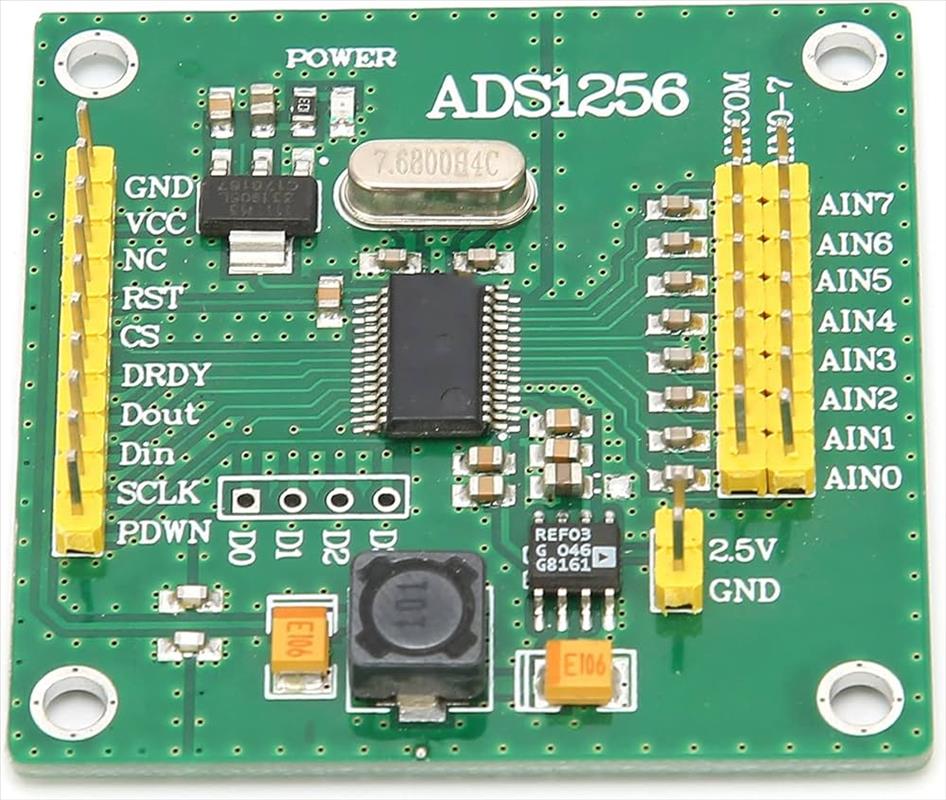
Przetworniki analogowo-cyfrowe (ADC) – wyjaśnienie: kluczowe specyfikacje, zastosowania i przewodnik wyboru
2025-05-10
5839
Zrozumienie przetworników analogowo-cyfrowych (ADC) jest niezbędne do optymalizacji wydajności produktów w elektronice użytkowej. Poprzez priorytetyzację parametrów, takich jak rozdzielczość i wydajność energetyczna, zespoły ds. zaopatrzenia i inżynierii mogą wybierać przetworniki ADC zgodne z wymaganiami technicznymi i budżetowymi. Aby uzyskać głębsze informacje, zapoznaj się z zasobami IEEE, lidera w dziedzinie standardów inżynierii elektronicznej.
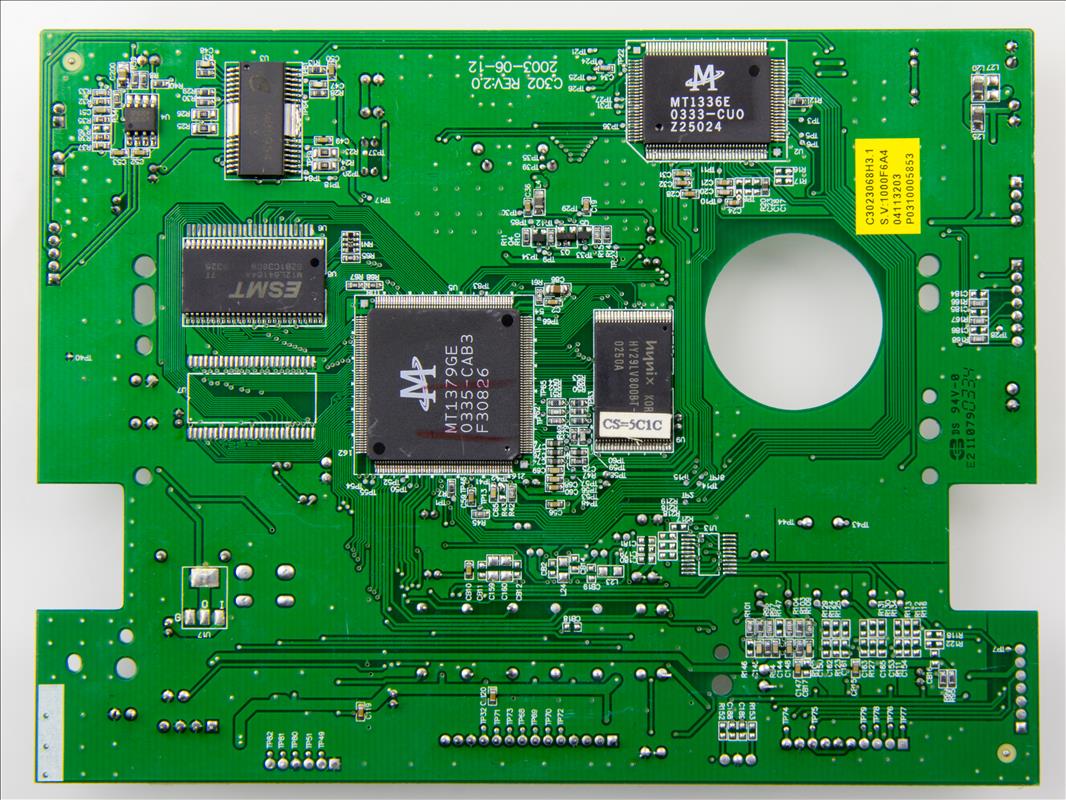
Podstawy PCB: kompleksowy przewodnik dla zespołów ds. zakupów i inżynierii elektroniki
2025-05-10
6145
Odkryj wszystko o PCB, w tym jego historię, cechy, parametry, role, zastosowania i wiodących producentów. Niezbędna lektura dla zespołów ds. zaopatrzenia i inżynierii w elektronice użytkowej.
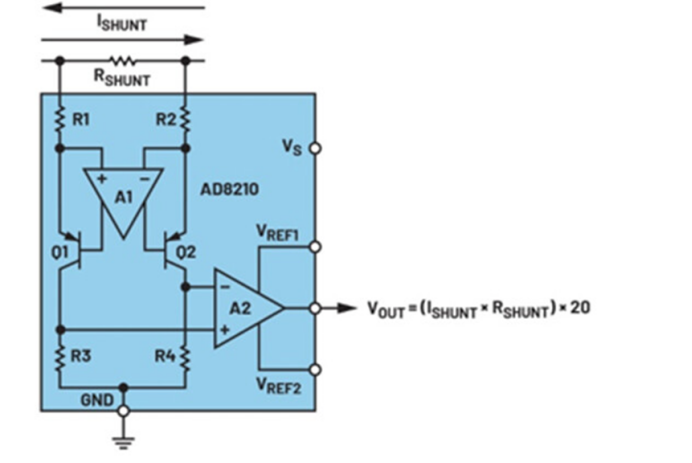
Analiza różnic i charakterystyk między wzmacniaczami wykrywającymi prąd a wzmacniaczami różnicowymi
2025-05-08
5686
W tym artykule porównujemy wzmacniacze wykrywające prąd i wzmacniacze różnicowe, analizując ich architekturę, charakterystykę wydajności i różnice w zastosowaniach. Podkreślono zalety wzmacniaczy wykrywających prąd w zakresie szerokości pasma, współczynnika tłumienia sygnału wspólnego (CMRR) i zastosowań o wysokiej częstotliwości.
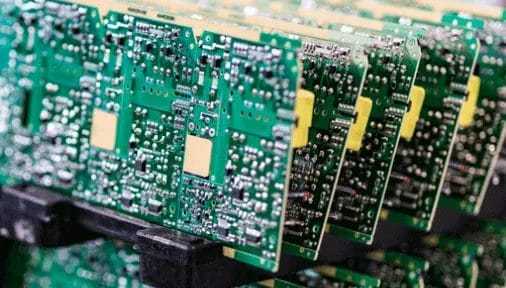
PCBA: Kompletny przewodnik dla zespołów ds. zakupów i inżynierii elektroniki
2025-04-01
5784
Montaż płytek drukowanych (PCBA) to proces montażu podzespołów elektronicznych na płytce drukowanej (PCB) w celu tworzenia funkcjonalnych urządzeń elektronicznych. Ten krytyczny etap łączy projektowanie i produkcję, przekształcając gołe płytki w systemy zasilające nowoczesną elektronikę użytkową. Dla zespołów ds. zaopatrzenia i inżynierii zrozumienie PCBA zapewnia opłacalne pozyskiwanie i niezawodną wydajność produktu. Proces obejmuje lutowanie podzespołów, takich jak rezystory, kondensatory i układy scalone, na płytkach PCB przy użyciu technik, takich jak technologia montażu powierzchniowego (SMT) lub montaż przewlekany.
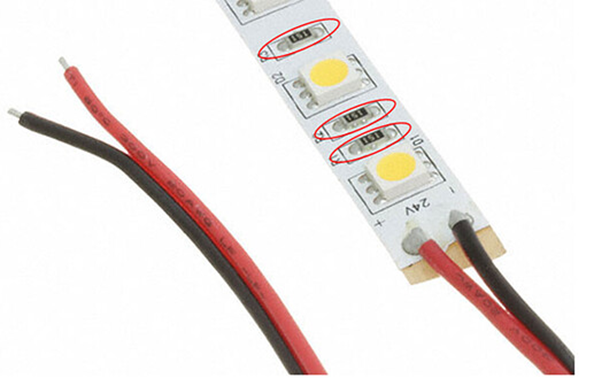
Montaż oświetlenia LED: Czy wybrać sterownik LED o stałym prądzie czy stałym napięciu?
2025-03-18
4355
W tym artykule omówiono dwie metody sterowania oświetleniem LED: sterowniki stałoprądowe i stałonapięciowe. Wybór między nimi zależy od wymagań aplikacji. Sterowniki stałoprądowe nadają się do zastosowań na dużą skalę, natomiast sterowniki stałonapięciowe idealnie sprawdzają się w scenariuszach ekonomicznych, wymagających elastycznego dostosowania liczby diod LED.
Jak działają czujniki mikrofonu?
2025-03-18
3949
W tym artykule przedstawiono zasady działania czujników mikrofonowych i ich szerokie zastosowanie w nowoczesnej technologii. Mikrofony zamieniają energię akustyczną na energię elektryczną poprzez drgania membrany, wykorzystując mechanizmy transdukcji, takie jak metody elektromagnetyczne, pojemnościowe, MEMS lub piezoelektryczne, aby osiągnąć konwersję sygnału. Sygnał wyjściowy jest optymalizowany poprzez wstępne wzmocnienie i kondycjonowanie sygnału.

Kontrola częstotliwości Wi-Fi 7: Te trzy elementy są kluczowe!
2025-03-18
4218
W tym artykule zagłębiamy się w technologię Wi-Fi 7 i kluczowe znaczenie kontroli częstotliwości, badając w jaki sposób technologie takie jak automatyczna koordynacja częstotliwości (AFC), działanie wielokanałowe (MLO) i modulacja amplitudy kwadraturowej 4K (4K QAM) dodatkowo zwiększają wydajność Wi-Fi 7.
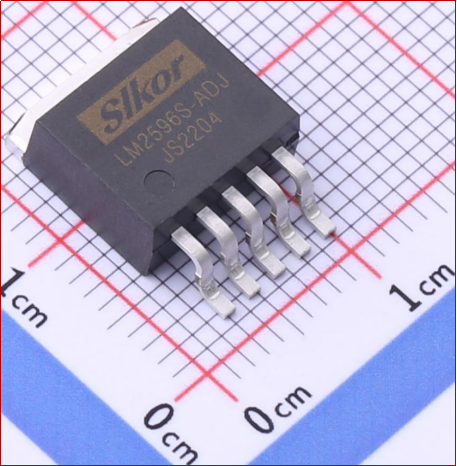
Jak wybrać regulator impulsowy? Typowe typy, charakterystyka i wytyczne dotyczące wyboru regulatorów impulsowych
2025-03-12
3985
W tym artykule omówiono znaczenie i zalety zastosowania regulatorów przełączających w projektowaniu systemów elektronicznych, przedstawiono różne typy przetworników przełączających i porównano różnice między regulatorami liniowymi a zasilaczami impulsowymi (SMPS). Ponadto artykuł zawiera szczegółowe informacje na temat wielu produktów regulatorów przełączających z SLKOR Półprzewodniki, które charakteryzują się wysoką wydajnością, kompaktowym rozmiarem i niskim prądem czuwania. W artykule podkreślono również znaczenie wysokiej wydajności i zminiaturyzowanej konwersji mocy w projektowaniu nowoczesnych urządzeń elektronicznych.
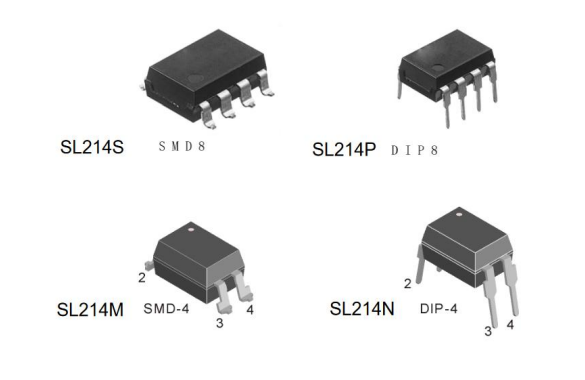
Czy liczba lat trwałości może odzwierciedlać żywotność przekaźnika?
2025-03-07
3848
Okres trwałości przekaźnika przed awarią zmienia się w zależności od takich czynników, jak obciążenie, częstotliwość przełączania i środowisko pracy. W związku z tym nie można określić dokładnej liczby lat jego trwałości.
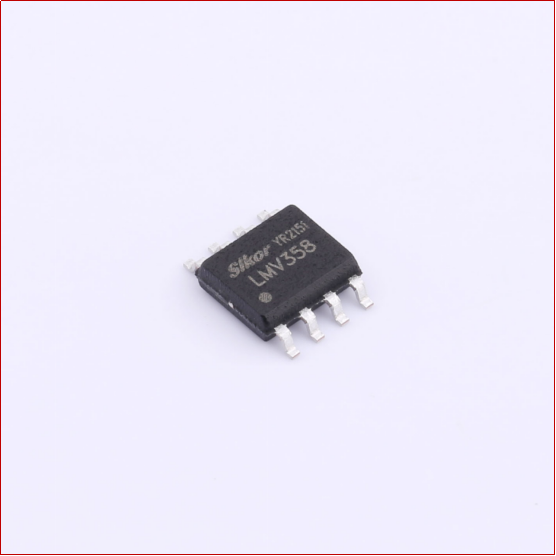
Wzmacniacze operacyjne odgrywają kluczową rolę w wielu obwodach
2024-12-18
3806
General Op-amp jest jednym z najważniejszych komponentów nowoczesnej elektroniki użytkowej, szeroko stosowanym w różnych zastosowaniach, od przetwarzania dźwięku po wzmacnianie sygnału. Dla zespołów ds. zaopatrzenia i inżynierii w firmach elektroniki użytkowej zrozumienie cech, ról i zastosowań General Op-amp jest kluczowe. W tym artykule przyjrzymy się wszystkim aspektom General Op-amp, od historii rozwoju po współczesne zastosowania i czołowych producentów w tej dziedzinie.
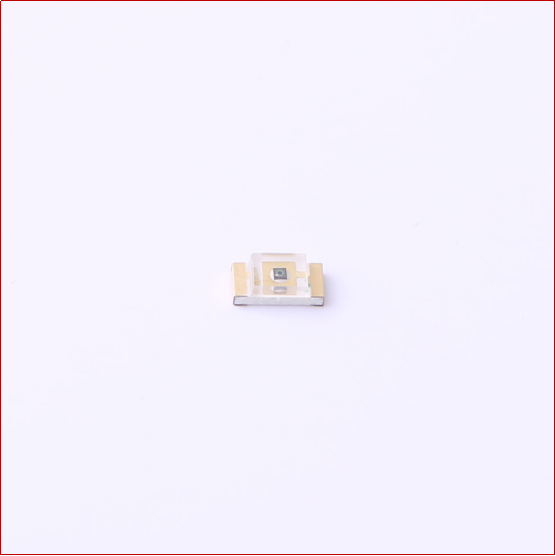
Wiodący producenci fotodiod
2024-12-17
3732
Fotodioda jest niezbędnym elementem szerokiej gamy urządzeń elektronicznych. Niezależnie od tego, czy zajmujesz się zaopatrzeniem, czy inżynierią, zrozumienie zasad, cech i zastosowań fotodiod jest kluczowe dla udanego projektowania i integracji systemów elektronicznych. Ten artykuł obejmuje wszystko, co musisz wiedzieć o fotodiodach, od ich podstawowej obsługi po ich rolę w nowoczesnej elektronice.
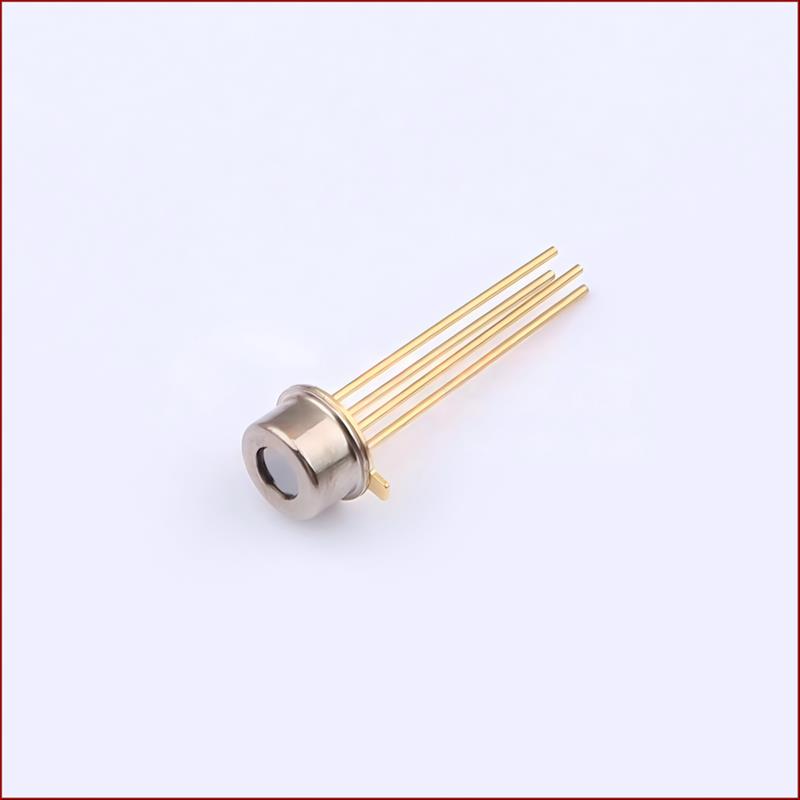
Rola czujników temperatury w elektronice
2024-12-11
3634
Czujniki temperatury odgrywają kluczową rolę w funkcjonowaniu nowoczesnej elektroniki, zwłaszcza w urządzeniach elektroniki użytkowej. Czujniki te są szeroko stosowane w różnych aplikacjach, od smartfonów po urządzenia gospodarstwa domowego, aby zapewnić prawidłowe działanie poprzez monitorowanie zmian temperatury. W tym artykule omówimy wszystko na temat czujników temperatury, w tym ich rozwój, charakterystykę, parametry i zastosowania. Zrozumienie różnych aspektów czujnika temperatury jest niezbędne dla zespołów ds. zaopatrzenia i inżynierii w firmach elektroniki użytkowej, aby mogły podejmować świadome decyzje.
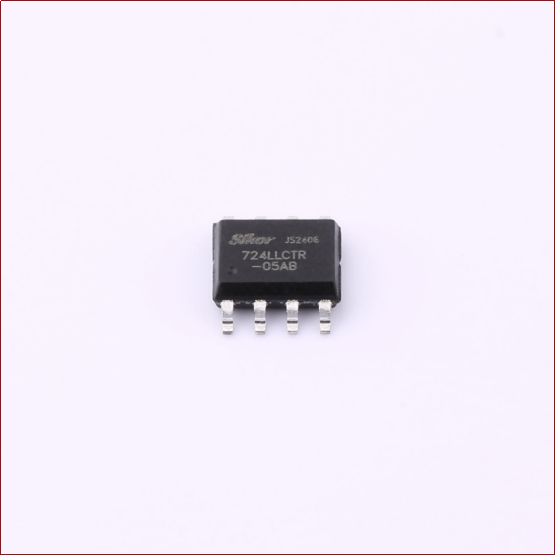
Czujniki prądu są niezbędne do ochrony obwodów przed nadmiernym prądem
2024-12-07
3866
Czujnik prądu to niezbędny element elektroniczny zaprojektowany do wykrywania i pomiaru przepływu prądu elektrycznego w obwodzie. Przekształca prąd płynący przez obwód w proporcjonalny sygnał elektryczny, który może być odczytany i zinterpretowany przez mikrokontroler lub system przetwarzania. Czujniki prądu są używane w szerokim zakresie zastosowań, w tym w monitorowaniu mocy, systemach ochrony i energooszczędnych projektach. Są one krytyczne w takich branżach jak motoryzacja, elektronika użytkowa i maszyny przemysłowe, zapewniając bezpieczną i wydajną pracę systemów elektrycznych.
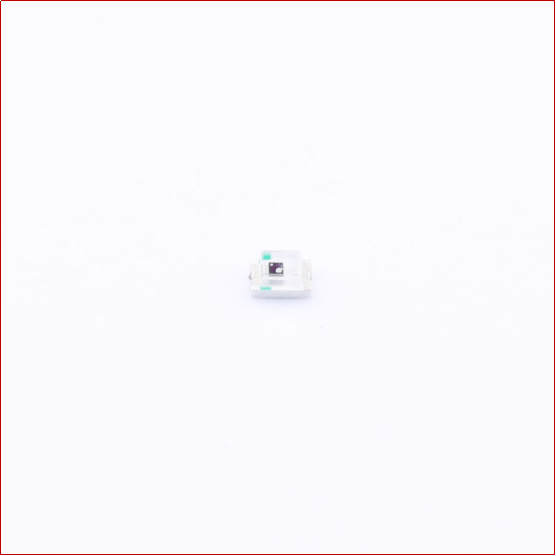
Czujniki światła otoczenia odgrywają kilka ważnych ról w nowoczesnych systemach elektronicznych
2024-12-07
3794
Czujnik światła otoczenia to kluczowy element stosowany w urządzeniach elektronicznych do pomiaru poziomu światła otoczenia. Poprzez wykrywanie intensywności światła otoczenia może regulować jasność wyświetlaczy lub innych ustawień w celu poprawy wrażeń użytkownika i efektywności energetycznej. Czujnik działa poprzez konwersję światła na sygnał elektryczny, który może być przetwarzany przez systemy elektroniczne w celu regulacji jasności ekranu lub trybów zasilania. Ten czujnik jest szeroko stosowany w elektronice użytkowej, zastosowaniach motoryzacyjnych, a nawet w inteligentnych domach, zwiększając funkcjonalność urządzeń i komfort użytkownika.
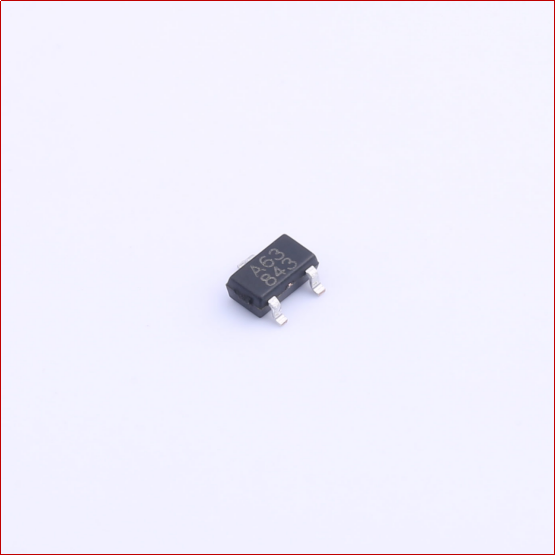
Wprowadzenie do czujnika efektu Halla
2024-12-06
3753
Czujnik efektu Halla to niezbędny element elektroniczny, który odgrywa kluczową rolę w różnych zastosowaniach przemysłowych i konsumenckich. Zasadniczo jest to rodzaj przetwornika, który wykrywa obecność pola magnetycznego i zamienia to zjawisko fizyczne na mierzalny sygnał elektryczny. Ten czujnik działa na zasadzie efektu Halla, odkrytego przez fizyka Edwina Halla w 1879 r. Gdy pole magnetyczne zostanie przyłożone do przewodnika z prądem, napięcie jest indukowane w przewodniku, prostopadle do prądu i pola magnetycznego. To napięcie jest tym, co czujnik efektu Halla wykrywa i przetwarza.
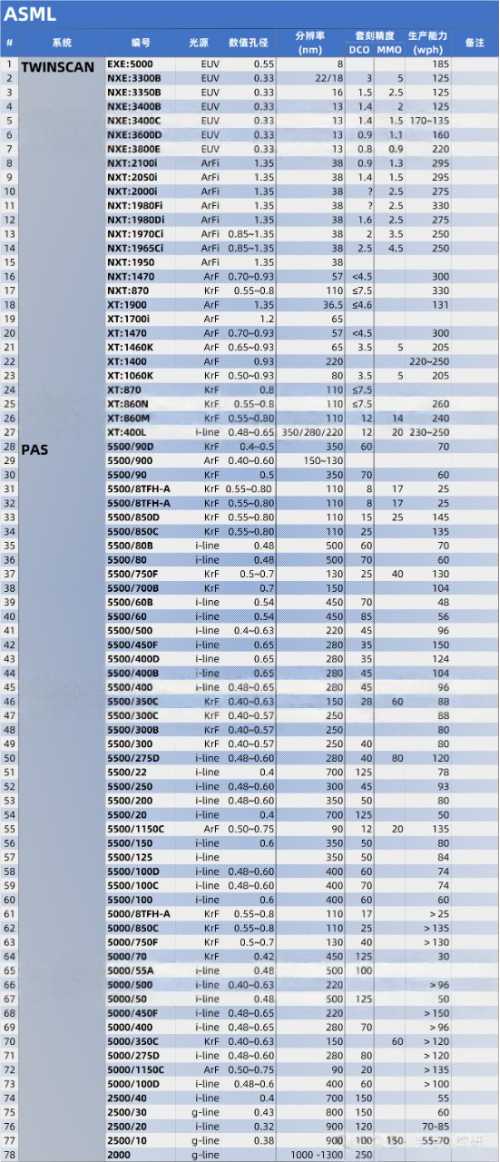
Lista trzech głównych modeli maszyn litograficznych marek ASML, NIKON i CANON.
2024-10-31
3646
Spośród wszystkich urządzeń półprzewodnikowych maszyny litograficzne są rzeczywiście kategorią o największym zainteresowaniu tematem. Wcześniej pobrałem i dołączyłem modele maszyn litograficznych obecnie dostępnych w sprzedaży przez ASML, NIKON i CANON z ich oficjalnych stron internetowych i podsumowałem je w tabeli dla odniesienia dla wszystkich. Opinie czytelników były dobre. Jeszcze więcej liderów branży cytowało moje dane podczas pisania artykułów, co przyniosło ogromną falę ruchu na moje oficjalne konto. Oczywiście są też profesjonaliści w handlu sprzętem, którzy przypomnieli mi: W rzeczywistości liczba modeli maszyn litograficznych wprowadzonych na rynek przez trzy firmy w historii jest znacznie większa niż te. Po prostu dlatego, że niektóre modele są zbyt stare, a oryginalna fabryka dawno przestała je sprzedawać, więc odpowiednich informacji nie można znaleźć na oficjalnej stronie internetowej. Jednak te urządzenia na rynku są nadal przedmiotem handlu i są używane jako towary z drugiej ręki. Obecnie liczba zebranych modeli maszyn trzech dostawców wynosi łącznie 185, co zasadniczo obejmuje większość modeli maszyn litograficznych trzech dostawców na rynku.
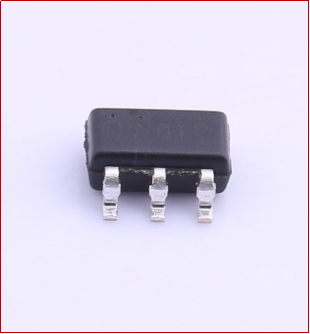
Zarządzanie baterią odgrywa kluczową rolę w zapewnianiu wydajności i długowieczności urządzeń zasilanych bateryjnie
2024-08-29
3766
W dziedzinie elektroniki użytkowej Battery Management odgrywa kluczową rolę w zapewnianiu wydajności i długowieczności urządzeń zasilanych bateryjnie. Niniejszy artykuł zagłębia się w podstawy Battery Management, zapewniając zespołom ds. zaopatrzenia i inżynierii dogłębną wiedzę niezbędną do skutecznej implementacji i optymalizacji.
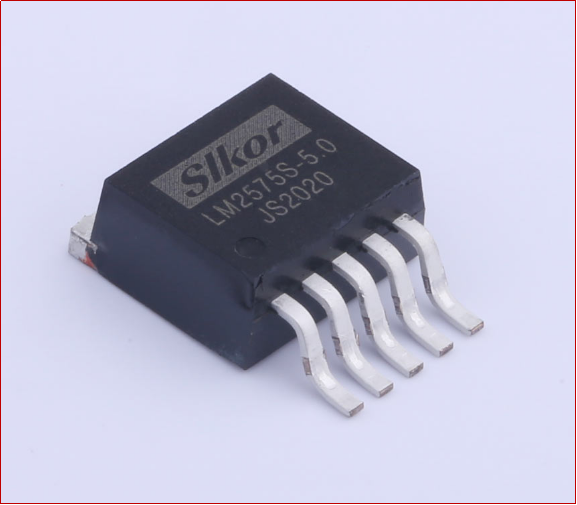
Regulator DC-DC jest kluczowym elementem nowoczesnych systemów elektronicznych, zapewniającym efektywne zarządzanie energią i stabilność
2024-08-29
3487
Regulator DC-DC jest krytycznym elementem nowoczesnych systemów elektronicznych, zapewniającym wydajne zarządzanie energią i stabilność. Niniejszy artykuł zawiera kompleksowy przegląd regulatora DC-DC, obejmujący jego definicję, rozwój historyczny, kluczowe cechy, parametry, role, zastosowania i znanych producentów. Zrozumienie tych aspektów jest niezbędne dla zespołów ds. zaopatrzenia i inżynierii w firmach elektroniki użytkowej.





 粤公网安备44030002007346号