
























サービスホットライン
ブログ

ブログ
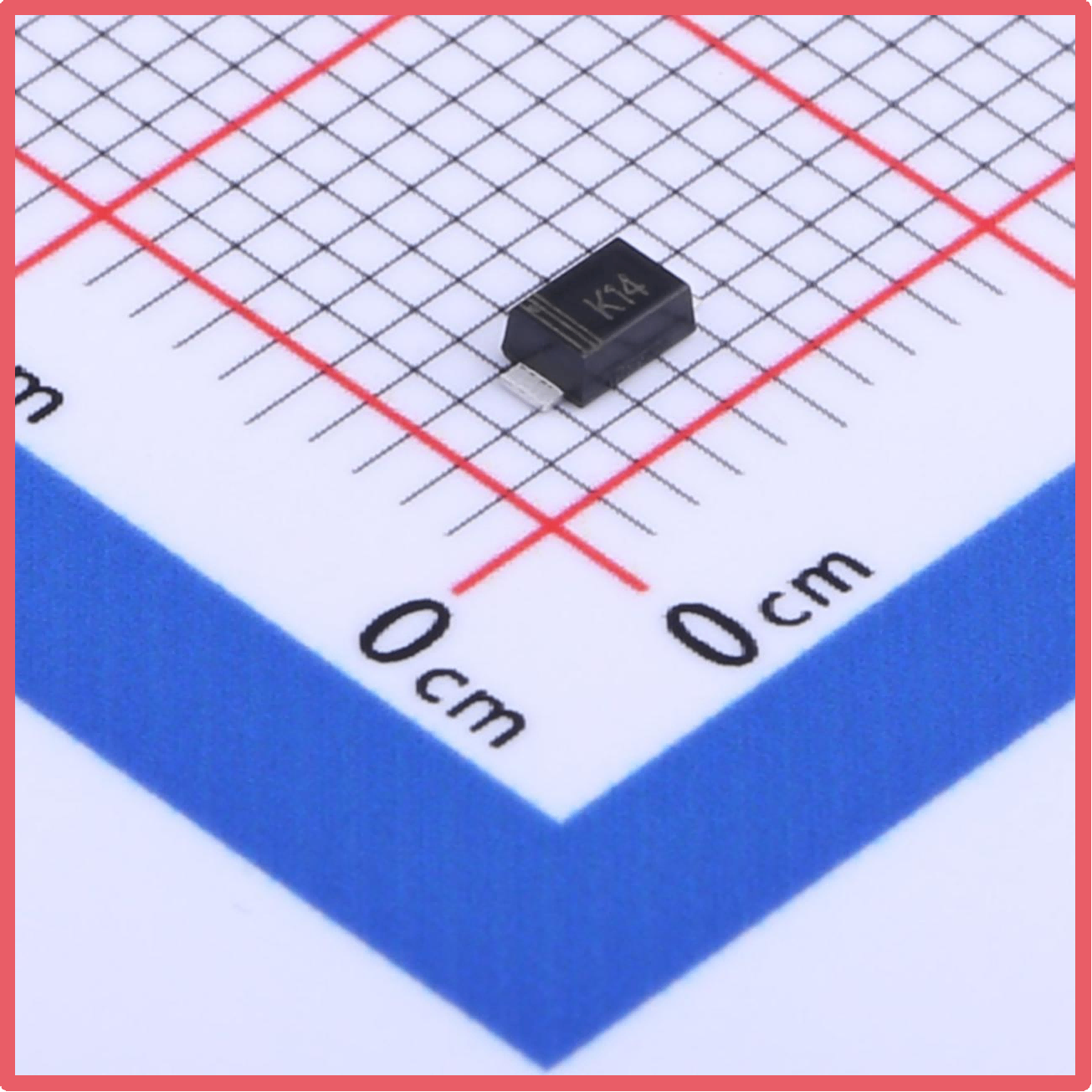
DSK14ショットキーダイオード:速度、効率、安定性 – 高効率エレクトロニクスへの道を開く3つの主要な利点
2026-07-21
4077
技術の急速な進歩に伴い、あらゆるスマートデバイスの円滑な動作は、無数の高精度電子部品の協調的な性能に依存しています。電子システムの「心臓部」である半導体デバイスは、機器の効率と信頼性を直接左右します。Slkor Semiconductorが発表したDSK14ショットキーダイオードは、速度、効率、安定性という3つのコアとなる強みを核とした高性能部品であり、電力管理、高周波信号処理などの分野に新たな推進力をもたらします。
スピード:高周波時代における高速パフォーマンス
5G通信や高速デジタル回路といった高周波領域では、部品の応答速度が信号処理効率を左右します。DSK14ショットキーダイオードは、超短逆回復時間という特長を備え、高周波回路における速度リーダーとして際立っています。
回路がオン状態からオフ状態に切り替わる際、従来のダイオードは電荷蓄積効果による遅延が生じます。DSK14は、構造設計と材料製造プロセスを最適化することで、この遅延をほぼゼロにまで最小限に抑えています。これにより、RF信号整流、スイッチング電源、その他のアプリケーションにおいて超高速な状態遷移が可能となり、信号の歪みやエネルギー損失を低減するとともに、高周波機器にとってよりクリーンな信号環境を実現します。
DSK14 SOD-123FLパッケージ
効率性:高効率電力変換のための省エネ専門家
世界的なエネルギー需要の急増を背景に、電力変換効率の向上は極めて重要な課題となっています。DSK14は順方向電圧降下が低いため、高効率電源設計に最適な選択肢です。
ダイオードに電流が流れる際、従来の部品では電圧降下が大きいため、大量のエネルギーが熱として無駄に消費されます。DSK14は、1Aの動作電流で順方向電圧降下がわずか550mVに抑えられており、エネルギー損失を大幅に削減します。例えば、DSK14をスイッチング電源や電源アダプタに組み込むことで、発熱量の低減、変換効率の向上、デバイスのバッテリー寿命の延長、熱管理コストの削減を実現し、グリーンエネルギー用途を強力にサポートします。
DSK12-DSK120 データシート 電気的仕様
安定性:長期継続運用における信頼できるパートナー
信頼性は半導体部品にとって重要な競争優位性です。Slkorは厳格な製造プロセスと品質試験基準を遵守することで、DSK14が長時間の稼働においても安定した性能を維持することを保証します。
40V DCの逆方向阻止電圧と1Aの平均整流電流は、ほとんどの産業用および民生用電子機器の要件を満たします。モーター制御システムでは、DSK14は電流変動に迅速に対応し、正確な制御を実現します。太陽光発電インバータでは、電圧変動に耐え、安定したエネルギー変換を保証します。さらに、40Vの逆方向電圧における500μAという低いリーク電流は、高電圧条件下でのリーク電流を最小限に抑え、機器の安全な動作を保証します。
DSKシリーズ特性曲線
応用例:実験機器から日常の電子機器まで、あらゆる用途に対応
DSK14は、理論上のパラメータ性能を超えた卓越した汎用性を提供します。
パワーマネジメントスイッチング電源の中核となる整流器として機能し、エネルギー効率を向上させ、デバイスの小型化を可能にする。
信号処理その優れた高周波性能により、RF回路や高速デジタル回路に最適な選択肢となっています。
モーター駆動システム制御信号に迅速に反応し、効率的な速度制御を実現します。
ソーラーインバーターエネルギー損失を低減し、太陽光発電システムの全体的な発電効率を向上させます。
DSK14は、産業機械、家電製品、新エネルギー分野など、どの分野に導入されても、目に見えない中核的な推進力として技術革新を推進します。
DSK14のパフォーマンスを最大化するための設計のヒント
DSK14は優れた性能を発揮しますが、その潜在能力を最大限に引き出すには、最適化された回路設計が不可欠です。
過負荷を避けるため、部品の最大定格電流および定格電圧を遵守してください。
高周波アプリケーションで発熱リスクがある場合は、ヒートシンクを取り付けるか、PCBレイアウトを最適化して、部品の温度を安全な動作範囲内に維持してください。
スイッチング速度を低下させる寄生インダクタンスを低減するために、回路配線の長さを最小限に抑える。
Slkorの公式データシートを参照し、最適なパフォーマンスを得るために、特定のアプリケーションシナリオに応じてパラメータを調整してください。
Slkor Semiconductor:テクノロジーを通じてイノベーションを推進
半導体業界の革新企業として、Slkor Semiconductorは「品質第一、技術主導」という基本理念を堅持しています。当社は、高度な製造ワークフローと厳格な品質管理を通じて、高性能な電子ソリューションを提供します。
DSK14ショットキーダイオードの発売は、この取り組みを体現するものです。これは単なる個別部品ではなく、効率性、信頼性、そして技術革新に対するSlkorの献身を具体的に示すものです。
技術革新が続く中、DSK14ショットキーダイオードは、その速度、効率、安定性という独自の利点により、高周波・高効率の電子回路設計において最も選ばれる部品となっています。最高の性能を追求するエンジニアと、持続可能な開発に注力する業界の両方が、このデバイスから技術革新のインスピレーションを得ることができます。今後もSlkor Semiconductorは、イノベーションを推進し、世界の電子産業向けに高性能な「目に見えないコア部品」をさらに開発することで、技術と日常生活における高効率の新時代を切り開いていきます。
Slkor Semiconductorについて
Slkorのハイエンド製品ポートフォリオには、炭化ケイ素(SiC)ダイオード、SiC MOSFET、IGBT、第5世代超高速リカバリパワーダイオードが含まれており、新エネルギー車、ハイエンド機械、通信用電源機器、太陽光発電、医療機器、産業オートメーションなどの業界に対応しています。
当社の汎用製品ラインナップには、ショットキーダイオード、ESD保護ダイオード、TVS過渡電圧サプレッサ、汎用ダイオード、トランジスタが含まれます。パワーデバイスには、低電圧/中電圧/高電圧MOSFET、サイリスタ、ブリッジ整流器があります。サポートコンポーネントには、電源管理IC(LDO、AC-DC、ADC)、ホールセンサ、高速オプトカプラ、水晶発振器などがあります。
これらの製品は、スマートフォン、ノートパソコン、ロボット、スマート家電、IoT機器、LED照明、3Cエレクトロニクス、ウェアラブルスマートデバイス、およびあらゆる種類の接続ハードウェアに幅広く採用されています。
ウェブサイト: www.slormicro.com
ビジョン:半導体業界をリードする企業となる
DSK14 製品ページへ
華強北「山寨電話」調査(後編)
2026-05-18
4565
— ソン・シーチャン、スコル華強北の発展に伴い、「山寨携帯電話」は無視できない話題となった。2007年だけでも、華強北の山寨携帯電話の出荷台数は1億5000万台に達し、その年の世界の携帯電話生産台数の6分の1を占めた。山寨携帯電話の盛衰は急速に起こった。華強北の小さな「1メートルカウンター」から多くの億万長者を生み出した一方で、「山寨携帯電話の王子」陳金玲の破産や精神的崩壊といった悲劇的な物語も生み出した。山寨携帯電話現象には、良い面もあった。それは華強北のメイカー文化の促進に貢献し、深圳を「ハードウェアのシリコンバレー」や「起業の楽園」へと変貌させた。また、Meizu、G5、Longcheer、Transsionといった地元の携帯電話ブランドを生み出すきっかけにもなった。多くの点で、それは「華強北のメイカー精神」と「深圳の起業家精神」の基盤となったと言えるだろう。しかし、当時の山寨携帯電話業界は、政府が推進していた知的財産権保護、特許意識向上、ブランド開発といった政策とも衝突していた。結果として、市場成長、技術革新、政府規制、経済発展、企業倫理、法制度構築といった様々な要素が交錯する局面を迎えた。衝突や失敗はほぼ避けられず、そのため、公式メディアや多くの経済学者は華強北の山寨携帯電話についてほとんど議論しなかったのである。ハーバード・ビジネス・レビューをはじめとする権威あるメディアや専門機関は、様々なビジネス分析モデルを用いて、MediaTekとホワイトボックス型携帯電話市場の事例を研究してきた。これらのモデルには、SWOT分析、ポーターの5つの力分析、PESTEL分析、VRIO分析、バリューチェーン分析、BCGマトリックス分析、アンゾフマトリックス分析、マーケティングミックス分析などが含まれる。長年にわたり華強北を目撃してきたキングヘルムとスルコルの宋世強は、私が目撃し体験したことを客観的かつ真実に記録し、当時の華強北の真の歴史を復元することを目指します。また、社会経済学の基本理論を応用することで、「華強北山寨電話」現象の背後にあるより深い論理を体系的に分析し、機会と急速な経済成長に満ちた時代に敬意を表したいと考えます。
Shanzai! MediaTekとホワイトボックス端末市場のケーススタディソリューション分析
Slkorのソン氏による前回の記事「華強北山寨携帯電話の研究(第1部)」に続き、本節では「山寨」の起源、華強北山寨携帯電話の技術的進化、そして業界の2つの主要なブーム期について引き続き考察します。Ⅳ.華強北の富の奇跡深セン市福田区華強北街道は、富の集中と多数の億万長者や大富豪の創出にとって好ましい条件をすべて備えており、「タイミング、立地、人材」が完璧に組み合わさっていた。中国の改革開放が始まった頃、世界は第三次世界産業移転を経験しており、工業製品の製造拠点が欧米、そしてアジアの四小龍から中国へと移りつつあった。まさに「絶好のタイミング」だった。中国初の4つの経済特区の一つである深圳は、独立した立法権、非常に柔軟な政策、そして「東洋の真珠」と呼ばれる香港に隣接する戦略的な地理的位置を享受していた。さらに、多くの華僑ビジネスコミュニティが存在する東南アジアにも近かった。まさに「最適な立地」だった。一方、中国各地から大量の出稼ぎ労働者が深圳に流入した。彼らは基礎教育を受けており、勤勉で規律正しく、比較的低い賃金と福利厚生を受け入れたため、人件費が低かった。まさに「最適な人材」だった。華強北は「人、物、お金の三宝」で有名だった。最盛期には、華強北には60,000万以上の中小企業と40,000万の個人事業主が集まり、約500,000万人の労働者や商人が日々働いていた。祝祭日には800,000万人を超える観光客が訪れ、ヴァンガード百貨店やウィメンズワールドなどのショッピングモールに入るだけでも行列ができるほどだった。華強北の年間取引額は3,000億人民元を超えました。カウンター スペース 1 メートルあたりの移転手数料は 30 万人民元に達することもあり、SEG プラザの優良小売物件は 1 平方メートルあたり 30 万人民元もの高値で取引されました。ヴァンガード百貨店は営業面積がわずか 3,000 平方メートルでしたが、1 日の売上が 300 万人民元に達したこともあり、1 平方メートルあたりの売上高で世界最高水準の小売スペースの 1 つです。30 年の間に、華強北の経済生産高は 20 億人民元未満から 3,000 億人民元に急増し、かつての「上埠工業区」は「中国ナンバーワンの電子街」へと変貌しました。福田区華強北街道の GDP は最終的に深センで最も有名な経済拠点の 1 つですが、南山区月海街道の GDP に匹敵するようになりました。
Slkorのソン氏が深セン華強北の富裕現象を要約
深セン電子商会の程義木氏は、華強北の歴史を知る証人の一人です。同氏によると、華強北はもともと深センの電子情報産業の中心地でした。当時、華強北が位置する商歩工業区には、華強三洋テレビ、SEDフィリップス、京華電子、SEG日立、華強電子工場など、多くの有名電子機器工場や政府系機関が集まっていました。中国が世界貿易機関(WTO)に加盟した後、中国本土は急速に「世界の工場」へと変貌を遂げた。電子情報産業は爆発的な成長を遂げ、SEGや華強といった巨大企業に牽引され、華強北は瞬く間に「中国一の電子街」へと発展した。同時に、厳格な政府規制の及ばない地域では、グレーマーケットの力が経済的な奇跡を生み出した。山寨携帯電話のサプライチェーンは珠江デルタ一帯で静かに発展し、やがて華強北で強力な産業勢力へと成長した。生計を立てるために華強北にやってきた多くのよそ者は、古いルールに挑戦し、破壊的イノベーションを受け入れることを厭わなかった。華強北の自由市場エコシステムの台頭は、本質的には資源の最適化と産業革新の推進というプロセスであった。小さな「1メートルカウンター」で営業していた小規模事業者の中には、次第に「華強北メーカー」として知られるようになった者もいた。この地区独自のビジネスモデルと利益分配文化は、意欲的な新参者たちが実験、競争、そして革新に取り組むことを促した。「禁じられていないものは何でも試せる」環境の中で、華強北は独自の栄光の時代を築き上げた。多くの人々は、度重なる失敗と激しいビジネス競争を通して成長し、やがて著名な起業家となった。これこそが、SlkorとKinghelmのソン氏が要約した「華強北文化」であり、革新性、リスクテイク、粘り強さ、そして実用主義によって特徴づけられる文化である。
華強北はもともと電子情報産業の中心地でした — 写真提供:Cheng Yimu
メディア戦略家の王志剛はかつて、「神は悪魔を解き放つが、悪魔は楽園を創造する」と述べた。これは、複雑で変化し続ける社会環境の中で、当初の意図Aが最終的に全く異なる結果Bをもたらすという、社会学における「意図せざる結果」の理論を反映している。よく知られた例として、シルデナフィルが挙げられます。もともとは高血圧や狭心症の治療薬として開発されましたが、後に勃起不全の治療薬として、また中国の伝統的な考え方では腎臓の健康増進薬として有名になりました。この理論は、華強北山寨の携帯電話産業が生み出した富の奇跡を説明するのにも役立つでしょう。さて、ここで皆さんに、中国人の健康を「補う」習慣について、真面目ながらもちょっと面白い話をもう一つお伝えしたいと思います。中国人は何でも「強化」するのが好きなようです。男性は腎臓の強化に、女性は血液の滋養に重点を置き、多くの家庭では六味地黄丸や無極百風丸といった漢方薬を常備しています。水差しには、クコの実、ナツメ、シナモンなどがよく入っています。子供たちは追加の個別指導を必要とし、プログラマーは追加の睡眠を必要とし、高齢者は毎日スーパーマーケットに駆け込み、冷蔵庫に入れる無料の卵を買いだめする。まるで、何らかの「補助」がないと、人々は精神的に不安定になり、肉体的にも衰弱してしまうかのようだ。
中国の携帯電話産業が最盛期を迎えていた頃、「中華国聯」グループ(ZTE、ファーウェイ、クールパッド、レノボ)を除けば、ほぼすべての企業が華強北山寨携帯電話と複雑かつ密接な関係を持っていた。華琴、龍車、慧業、永科、裕徳、HEDY、海派、天野といったODM企業は、その時代に巨大なビジネスを築き上げ、創業者たちは概ね億万長者となった。Gionee、GFive、Transsionなどの携帯電話ブランドは、劉立栄、張志学、朱兆江といった人物が数十億元、あるいは数百億元もの資産を築くのに貢献した。「山寨携帯電話」ソリューションの提供で利益を上げていた上海莫商は、正式には上海に登記されていたものの、その製造拠点と技術エコシステムは依然として華強北と深く結びついていた。携帯電話の外装デザインや構造設計を専門とするArtopやJialantuといったデザイン会社も華強北に拠点を置いていた。さらに、サプライチェーンの様々な拠点に隠れた無数の有力者がおり、彼らの富の物語はすべて華強北と密接に結びついていた。私は、華強北で億万長者を生み出したあらゆる産業の中で、「山寨携帯電話」ブームが最も大きな影響力を持っていたと常に信じてきました。この時代こそが、華強北を中国国内はもとより海外にも知らしめ、富の創造の頂点へと押し上げたのです。
2012年、不動産業で貯めたささやかな貯金を携え、私は新たな機会を求めて華強北に戻った。当時の華強北は活気に満ち溢れていた。祝日には、メインストリートは人でごった返し、PSYの韓国ヒット曲「江南スタイル」が街路や路地に響き渡り、「Being a Woman Feels Great」のシェイプウェア下着の広告が壁一面に貼られていた。大木潮汕牛肉鍋を堪能した後、多くの店主はカラオケ店「クールパーティKTV」へ向かい、盛り上がると皆でPSYの有名な「乗馬ダンス」を踊り始めた。華強北の高級ビジネス界に食い込むため、私はよく洗練された紳士の装いをし、裕福で教養のある成功した起業家を装った。中古のBMWを乗り回し、トランクには賞味期限切れの茅台酒を積んで、華強北の女性実業家たちに「コンドラチェフ・サイクル」や「フィボナッチ黄金曲線」といった理論を熱心に説明した。仕上げに、范立の「余剰と不足を測り、正義と利益を区別する」という古代のビジネスの知恵まで付け加えた。人々は、華強北にもまだ知識人が残っていると感じ始めた。当初、華強北の女性実業家たちは警戒心を抱き、私が研修コースや保険、直販商品、あるいは美容整形サービスを売り込んでいるのではないかと疑っていました。しかし、集積回路産業の特徴、大規模製造、サプライチェーン構造、地政学的影響、そして華強北が「在庫の宝庫」であると同時に生産と販売の重要な交差点としての役割を担っていることなどについて議論を重ねるうちに、華強北で急速に富を築くためのいくつかの原則を徐々にまとめることができました。時が経つにつれ、彼女たちは私を信頼するようになったのです。ある女性実業家は私の理論モデルを実践し、電子部品取引で巨万の富を築き、ベントレーを購入しました。その後、彼女は私にベントレーのミニカーをプレゼントしてくれました。誤解のないように言っておきますが、それはミニチュアのベントレーのミニカーであって、ベントレーの女性販売員ではありません。その時、私は静かにこう悟りました。今回、華強北に戻ってきたのは、まさに正しい決断だったのだと。
華強北は幾度となく富の創造の波を経験し、1メートル四方の小さな店の店主の妻たちでさえ、その繁栄の軌跡を垣間見ることができた。1980年代は輸入電子「ジャンク品」、1990年代はMP3、MP4、コンピューターの組み立て、そして今日では3Cデジタル製品や流行の電子ガジェットが中心となっている。近年ではコンデンサ、抵抗器、MOSFET、メモリチップの不足、テキサス・インスツルメンツ(TI)、サイランス、STマイクロエレクトロニクスといったブランドへの高い需要、タイの洪水、日本の地震、米中関税摩擦といった出来事による混乱などがあり、これらすべてが華強北の経営者とその妻たちに大きな利益をもたらした。華強北で最初の成功を収めた後、これらの起業家たちは事業を拡大し、強化し続けました。Haon Opticsの王力氏、Han's Laserの高雲峰氏、EVOC Intelligentの陳志烈氏、Jiangbolongの蔡華波氏、Kinghelm and Slkorの宋世強氏、Interlingの王老宝氏、Meilongの陳海生氏といった面々は、それぞれが各業界で独自の地位を築き上げています。彼らは華強北の文化である大胆さ、革新性、粘り強さ、そして実用主義に支えられ、実践的な経験を通して力強く成長を遂げました。
「山寨製造業とメーカー起業家」
Ⅴ.華強北携帯電話専門市場華強北の商業景観は、主に日用品店、電子商取引街、専門市場の3つの主要セクターで構成されています。茅野、レインボー、ドリームスオン、9squareなどの百貨店やショッピングモールは、半径30分圏内の消費者にサービスを提供しています。電子商取引街は、華強電子市場、SEGプラザ、ニューアジア、メトロポリス電子城を中心に展開しています。専門市場は、外国貿易衣料品、時計、セキュリティ製品、コンピュータモール、通信機器、ギフトなどの分野を網羅しており、最盛期には50以上の市場が5万平方メートルを超える規模を誇っていました。ポニー・マーはテンセント創業前に華強北でコンピュータの組み立てを行っていたと言われ、メイズの黄張もかつてそこでMP3プレーヤーを販売していた。当時、華強北には携帯電話とその周辺機器の主要市場がいくつか存在した。華強路の元王デジタルシティ、華発北路の明通携帯アクセサリー市場、そして深南路南側の華僑ビル1~3階にある通天地、龍勝、飛陽時代市場などである。華強北の「店頭に店舗、奥に工場」モデルは、全国各地の小型家電や3Cデジタル製品メーカーを、全国規模およびグローバルな販売チャネルとともに結集させた。このサプライチェーンと流通ネットワークの融合は重要なハブを形成し、華強北の中核的な競争力となっている。
当時、華強北の元旺デジタルシティの1階から3階は、山寨携帯電話を販売する露店でほぼ埋め尽くされていた。現在では、2階と3階の隅にわずかに残るカウンターがいくつかあるだけだが、昔ながらの商習慣は今もなお受け継がれている。通常、幅1メートルほどの露店のガラス張りのカウンターには、A4サイズのラミネート加工された紙が1枚か2枚置かれ、販売されている機種、仕様、価格が記載されている。取引はカウンターで直接交渉され、大量注文の場合はセキュリティを確保するため、別の場所で配送手配が行われた。元旺デジタルシティでは、主に密輸された香港版および米国版の携帯電話と、再生品が販売されていた。再生品のブランドは、主にノキア、モトローラ、サムスンなどの主要国際ブランドだった。一方、明通携帯市場、通天地市場、龍勝携帯市場、飛陽時代市場などの市場は、主に山寨携帯を専門に扱っていた。華強北では、ほぼあらゆる種類の再生携帯電話が手に入った。当然ながら、端末識別コードはすべて既に変更済みだった。適合するマザーボードや互換性のあるソフトウェアも容易に入手できた。筐体とカバーパネルを組み立てた後、技術者がソフトウェアを端末に書き込み、簡単な動作テストを行うと、携帯電話は販売準備完了となる。革製のケースといくつかの付属品を加えれば、製品はすぐに大量生産され、市場に投入された。
華強北の山寨携帯電話カウンター
どのカウンターの裏にも、グレーマーケットのサプライチェーンが存在していた。例えば、香港の携帯電話は華強北のものより安いことが多かったため、様々なルートで深圳に密輸されていた。沙頭角の忠英街(片側は香港、もう片側は深圳に属している)では、香港側の密輸業者が折りたたみ式携帯電話をオフロード自転車のチューブの中に隠していた。自転車は深圳まで運ばれ、そこで携帯電話は華強北に届けられ、利益を上げて売られていた。26インチの自転車のチューブには、最大25台の携帯電話を隠すことができた。ノキアなどのブランド向けに再生された携帯電話のマザーボードは、先進国から集められ、様々なルートを通じて密かに中国に輸送された。一方、国内のサプライチェーンは、携帯電話の筐体、テンキー、および関連アクセサリーを既に完全に供給できる体制を整えていた。もちろん、フィーチャーフォンや3Cデジタル製品のスペアパーツを専門に扱うカウンターや販売店もあれば、修理やアフターサービスに力を入れている店もありました。ZTE製携帯電話とPhilips製携帯電話のアフターサービス修理センターは、それぞれSEGサイエンス&テクノロジーパークとモダンウィンドウビルにあったと記憶しています。
Slkor社ISO9001品質システムおよびISO14001環境システム認証
華強北の「1メートルカウンター」で行われる商取引は、舞台裏で巨大な販売ネットワークに支えられていた。中国本土全域に広がる流通・代理店網に加え、長年にわたって築き上げられた国際貿易ネットワークも存在した。特筆すべき現象の一つは、「華強北バックパッカー」と呼ばれる人々だ。世界中からバックパックを背負ったバイヤーたちが、仕入れ、購入、あるいは大量購入のために華強北を訪れる。非公式の統計によると、最盛期には毎日7,000人もの外国人が華強北を訪れ、商品の購入、製品の視察、あるいは卸売りの注文を行っていたという。華強北の山寨携帯電話をはじめとする3Cデジタル製品は、インド、ベトナム、フィリピン、アフリカ、南米などの国や地域へ大量に継続的に輸出されています。この広範な販売ネットワークは、修理サービス、アップグレード、アクセサリー、関連サポート産業など、華強北の3Cデジタル製品を支える完全な産業チェーンの成長を促進しました。Bluetoothイヤホン、携帯電話用レザーケース、スクリーンプロテクター、再生ノートパソコンなどの製品ラインナップはますます充実し、絶え間ないアップグレードと改良によって市場は最新のトレンドに追随しています。初期の頃、華強北の山寨携帯電話の製造コストは1台あたり700~800元程度だったが、販売価格は1,000元を超えることもあった。生産量が増えるにつれてコストはさらに下がり、利益はさらに大きくなった。しかし、2012年頃になると、アップルやサムスンなどのハイエンドスマートフォンが登場し、華強北の山寨携帯電話のサプライチェーンは技術の進歩に追いつくのに苦労した。多くの企業はかろうじて生き残るのがやっとだった。そして、雷軍氏が創業したシャオミが登場し、799人民元という驚くほど低価格のRedmiスマートフォンを発売した。シャオミは、それまで華強北の山寨携帯電話が占めていた市場の大部分をあっという間に奪い取り、業界に壊滅的な打撃を与え、事実上、業界を窮地に追い込んだ。華強北の山寨携帯電話事業に残された選択肢は、他地域に移転するか、事業を刷新して変革するか、あるいは市場の潮流に完全に飲み込まれるかのどれかだった。
Ⅵ.「華強北山寨携帯電話」のグレーゾーン華強北は昔から、ある種の「山寨DNA」を受け継いでいる。創業当初、SEG電子商会は主に組み立て済みのコンピュータと周辺機器を販売しており、部品の大部分は山寨(サードパーティ製)部品か再生部品だった。業界関係者は山寨コンピュータに固有の名称まで付けており、「互換機」と呼んでいた。Hedyコンピュータブランドの創業者は、華強北で互換機を販売することから事業を始めたと言われている。Hasee Computerの創業者である呉海軍氏も、同じ地域でハードディスクの販売から事業を始めたと伝えられている。当時、山寨のコンピュータ市場は、GIGABYTE、Acer、ASUSなどのブランドの再生マザーボード、SamsungやKingstonの中古メモリモジュール、Seagateのハードディスクを中心に展開していた。これらの低価格ながら機能的な組み合わせにより、ビジネスは非常に活発になり、徐々に華強北を中心として珠江デルタ全域に広がるグレーエコシステムが形成されていった。山寨型携帯電話の初期段階では、周辺産業は比較的限られていた。しかし、スマートフォンの台頭に伴い、エコシステムは急速に拡大した。iPhoneなどの初期のスマートフォンは壊れやすく、バッテリー寿命も短かったため、保護ケースやモバイルバッテリーといった関連産業が急速に成長した。同時に、充電チップや関連部品を開発する企業も出現した。スマートフォンの性能向上とモバイルアプリケーション(アプリ)の爆発的な人気に伴い、周辺機器のエコシステムも拡大を続けた。充電ケーブル、携帯ストラップ、装飾品といったアクセサリーを中心に、完全な商業サイクルが形成され、これらのブースは非常に収益性の高いものとなった。2013年、私は龍華のフォックスコン近くで香港スタイルのティーレストランを経営し、マクドナルドのようなチェーン展開モデルを使って香港スタイルのミルクティーを中国全土に拡大しようとしていた時、フォックスコンの従業員の一部がひっそりと変わった活動に関わっていることに気づいた。彼らの運営モデルはおおよそ次のようなものだった。夜勤中、試作段階の生産に携わる従業員が密かにAppleの試作品を持ち出す。外で待機している共犯者がそれらを受け取り、近くの製造業者に素早く渡して成形、複製、仕様の再現を依頼し、朝の交代前にサンプルを返却する。このため、新型iPhoneの発売からわずか数日で、華強北は同モデルの山寨版とそれに合う付属品一式を生産することができた。山寨(シャンジャイ)製携帯電話のマザーボードなどの主要部品は、その価値とリスクの高さから、より秘密裏に、そして流動的な方法で取引されていた。この取引チェーンの背後には、仲介役として関係を構築し、資源を管理し、価格を安定させて利益率を維持すると同時に、参加者の安全を確保する「裏社会の大ボス」が存在することが多かった。チェーンの各段階は、リスクを軽減するために、通常は単一の連絡手段のみで行われていた。これらのマザーボードは、JACやJinbeiなどのミニバスで運ばれることが多く、これらのミニバスは華強北の主要な携帯電話市場周辺を絶えず巡回していた。取引は車内、あるいは合意に達した後に車が近くに停車した後に完了した。SMT実装工場を経営していた友人がかつて私に話してくれたのだが、山寨携帯電話ブームの最盛期には、彼が加工したマザーボード1枚につき約15元の純利益が出ていたという。彼の工場は1日に約1万台を生産でき、1日あたり約15万元の収入があった。現金を受け取った時、彼は故郷の誇りになったかのような、圧倒的な達成感に満たされた。この状況は数ヶ月続いた。その後、お金があまりにも早く貯まりすぎたため、彼は「このお金をどう維持できるだろうか」と心配し始め、最終的には業界から完全に撤退することも考えたという。
中国のテレビドラマ『ノックアウト』で、高啓強は「嵐が大きければ大きいほど、魚は高くなる」と言う。華強北のサプライチェーン・エコシステムを中心とした山寨携帯電話産業にも同じことが言える。早期に参入し、市場のタイミングを正しく捉えた者は富を築き、数え切れないほどの億万長者や大富豪を生み出した。しかし、中には壊滅的な失敗を経験した者もいる。陳金玲のように事業と家族の両方を失った者もいれば、ライバルに陥れられたり妨害されたりして刑務所で「ミシン係」として働かされることになった者もいる。かつてZTE出身の張という姓の携帯電話業界の大物もその一人だ。利益を求めて業界に参入する人が増えるにつれ、その手法はますます非情になり、現実はより過酷になった。買い手が供給を独占するために、飛陽時代市場で特定のマザーボードモデルの出荷をナイフや銃で武装したギャングに強奪させたという話さえあった。一方、先に述べた元SMT工場のオーナーは、今ではWeChatモーメンツに釣り旅行や日光浴、若いガールフレンドとの外出の写真を投稿して時間を過ごしている。華強北の山寨携帯電話産業の背後には、アンダーグラウンドな企業だけでなく、大手テクノロジー企業も存在していた。2006年頃、MediaTekとSpreadtrum Communicationsは、華強北で山寨携帯電話向けのターンキーソリューションを導入した。同時に、GalaxyCoreのCMOSイメージセンサー、RDA5800チップ(RFとデジタル処理機能を統合)、Telegent Systems、FocalTechといったサプライヤーも、華強北を通じて大量の製品を出荷した。2013年、Maxscendは低消費電力GPS LNAソリューションを開発し、まず華強北の山寨(シャンジャイ)製スマートフォンでテストと検証を行った後、最終的にサムスンの公式サプライチェーンに組み込まれた。華強北の山寨エコシステムは、様々な面で中国の電子産業の育成と成長を加速させるのに貢献した。もちろん、山寨携帯電話ビジネスに関わった人全員が儲けたわけではありません。華強南路にある洪福朝山レストランのオーナーは、レストランを売却し、衰退しつつある山寨携帯電話市場に全財産を投資しましたが、結局すべてを失ってしまいました。私は今でも、湯葉入りの牛バラ肉煮込み火鍋の絶品の味と、タバコを手渡してくれたオーナーの温かい笑顔を覚えています。かつて「華強北山寨携帯電話の王子」と呼ばれた陳金玲は、売れ筋機種を独占しようと大量の在庫を抱え込んだ。しかし、資金繰りが悪化し、家族も崩壊、精神状態も悪化した。現在、彼は華強北をあてもなく彷徨っている姿がよく見かけられる。KinghelmとSlkorの宋世強氏がまもなく華強北「山寨携帯電話」に関する研究(パートⅢ)を公開します。お楽しみに!
Slkor製ホールセンサーSL1613SH(産業用および民生用電子機器向け)
著者紹介宋氏は、中国電子学会の人気科学講師であり、中国科学技術協会の電子情報専門家データベースのメンバーであり、科学コラムニストであり、華強北の商業エコシステムに関する著名な研究者でもある。彼が投資し、経営している企業には、深センSlkor Semiconductor Co., Ltd.と深センKinghelm Electronics Co., Ltd.が含まれる。ブランド「SLKOR「」と「キングヘルム」は既に国際市場で認知度と評判を獲得している。「Kinghelmは世界をつなぐ」というブランドスローガンの下、Kinghelm Electronicsは北斗衛星測位システム(BeiDou)/GPS測位アンテナの開発から事業を開始しました。その後、マイクロ波アンテナ、RFケーブルアセンブリ、電気信号コネクタへと事業を拡大し、あらゆるモノのインターネット(IoT)とインテリジェントな接続性の時代を積極的に推進しています。一方、Slkorは、ダイオード、トランジスタ、MOSFET、IGBTなどの半導体デバイス、センサー、および関連するパワーデバイスの開発に注力しています。これらの製品ラインは、世界中の30,000万社以上のお客様に、産業用および民生用電子機器アプリケーション向けに、部品と技術ソリューションの両方を提供しています。
キングヘルムとスルコルのソン氏が「華強北メーカーメンター」の称号を授与される
華強北を代表する人物である宋氏は、深セン金庸電子有限公司と深センSlkor半導体有限公司という2つのハイテク企業を成功裏に設立した起業家であるだけでなく、華強北の長年にわたる独立研究者であり文化観察者でもある。彼は10年以上にわたり、民俗学者の視点から華強北の進化と変遷を継続的に追跡・研究してきた。思想家であり文化伝達者として、華強北の商業文化を解釈し再構築することに尽力し、この独特な産業エコシステムを世界にさらに深く理解してもらうとともに、「キングヘルム」と「SLKOR” ブランド。彼は「華強北精神」と「華強北文化」という概念を体系的に定義し、普及させた先駆者の一人である。文化学者として、彼は華強北の自発的な起業活動を体系的な理論的枠組みに整理した。そして、その文化の本質を、リスクを恐れない大胆さ、革新性、回復力、実用主義という4つの重要な価値観に集約した。彼はまた、華強北の産業高度化の道のりを「模倣―改良―革新」と要約し、華強北の「1メートルカウンター」一つ一つが本質的に「革新の単位」であり、起業家精神の微細な表現であると提唱した。彼は、経済システムの活発な「毛細血管」として中小零細企業の価値を認識することで、エコシステム全体の革新の活力を刺激することに貢献した。さらに彼は、華強北の生存戦略として「軽量資産、迅速な反復、高コンバージョン、情報主導型オペレーション」を提唱し、華強北を「サプライチェーンの貯蔵庫」と捉える理論を独創的に導入した。この理論は、華強北が在庫を緩衝材として活用し、上流の生産能力を調整し、需給を効率的にマッチングさせ、産業全体のリスクを低減する方法を説明するものである。この考え方は、改革開放後の中国電子産業の急速な発展を研究する上で、基礎的な枠組みの一つとなっている。キングヘルム・エレクトロニクスは、彼のリーダーシップの下、北斗衛星測位システム(GPS)のアンテナ技術に深く取り組み、中国の独自航法・測位システムの開発に貢献してきました。一方、Slkor Semiconductorは炭化ケイ素パワーデバイスに特化し、新エネルギー車や太陽光発電などの分野で急速に事業を拡大しています。両ブランドは合わせて世界中で30,000万社以上の顧客にサービスを提供しており、中国のインテリジェント製造業が世界へ進出する象徴的な存在となっています。さらに、KinghelmとSlkorの中国語と英語の公式ウェブサイトでは、「電子機器製造業界の傑出した起業家100人にインタビュー」というコラムが開設され、中国の半導体および電子部品ブランドを世界市場に売り込み、華強北発祥の企業が国際競争に参加するよう奨励している。
宋総経理が中国電子学会専門家グループの講師に任命される
宋氏は電子情報分野の科学普及講師であり、業界のコラムニストでもある。様々なオンラインプラットフォームを通じて、華強北の変革と発展の物語を世界中の読者に伝える記事を発信している。彼が華強北について執筆した研究論文、「華強北に関する研究」、「華強北の変貌と発展」、「ブルームバーグの華強北に関する報道への反論」などは、人民日報オンラインアプリ、新華社通信、AP通信、Yahoo!ニュースなどの主要メディアで広く再掲載されている。これらの出版物を通して、華強北はかつての「山寨の流通拠点」という固定観念から、「グローバルなハードウェア革新の源泉」という新たなアイデンティティへと見事に転換を遂げました。宋氏は、華強北のイメージを伝える語り部として、また国際的な情報発信者として積極的な役割を果たし、その国際的な評価と認知度の向上に貢献しました。
アナログ-デジタルコンバータ(ADC)の説明:主な仕様、アプリケーション、選択ガイド
2025-05-10
5833
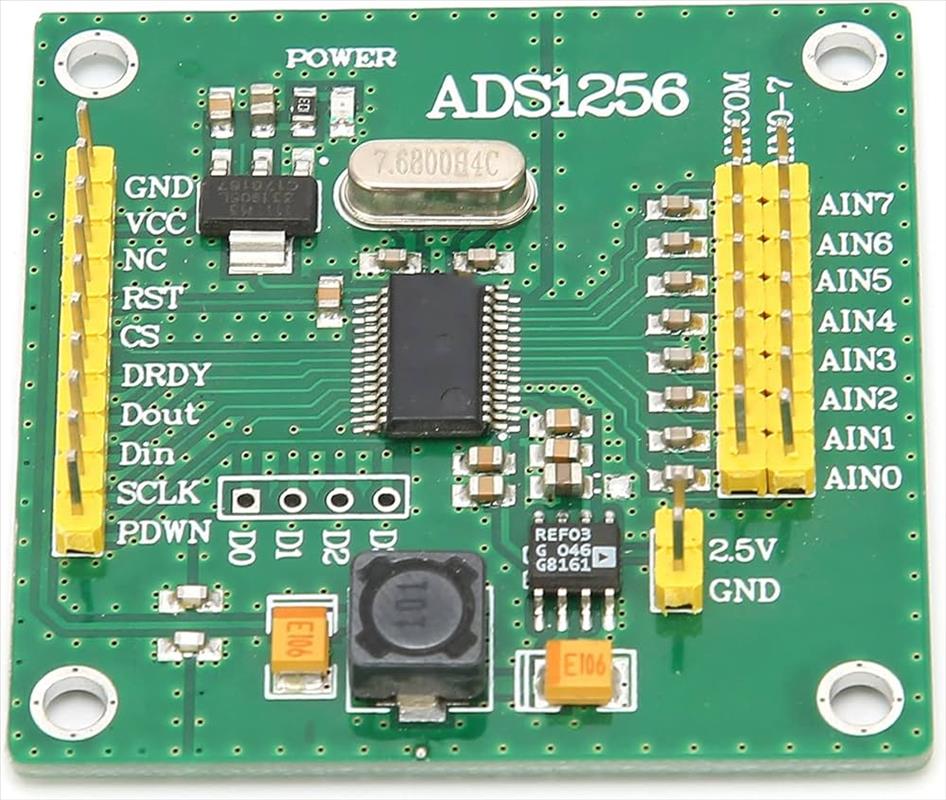
アナログ-デジタルコンバータ(ADC)を理解することは、民生用電子機器の製品性能を最適化する上で不可欠です。解像度や電力効率といったパラメータを優先することで、調達チームとエンジニアリングチームは、技術要件と予算要件に適合したADCを選定できます。より詳細な情報については、電子工学規格のリーダーであるIEEEのリソースをご覧ください。
PCBの基礎:電子機器調達およびエンジニアリングチーム向けの包括的なガイド
2025-05-10
6143
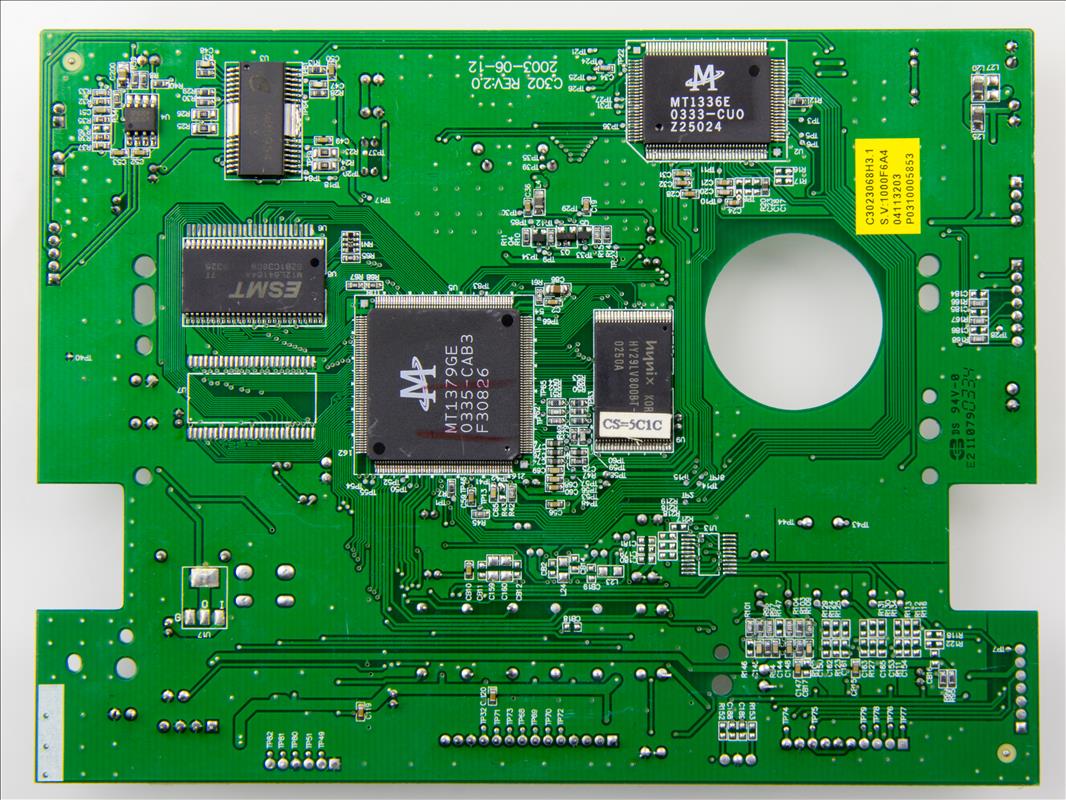
PCBの歴史、特性、パラメータ、役割、用途、主要メーカーなど、PCBに関するあらゆる情報を網羅。コンシューマーエレクトロニクス業界の調達・エンジニアリングチームにとって必読の資料です。
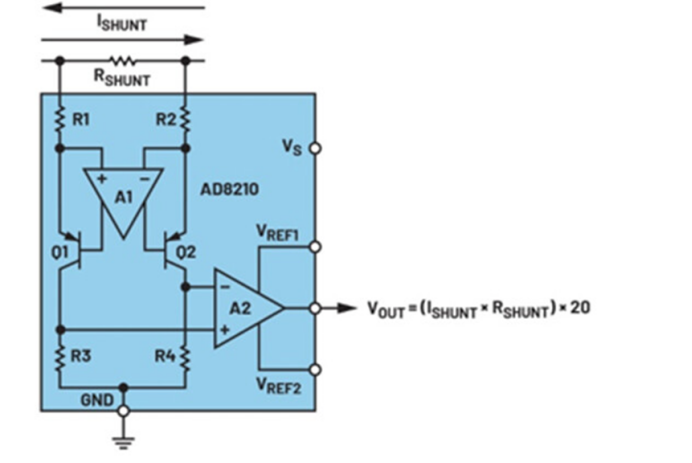
電流センスアンプと差動アンプの違いと特性の分析
2025-05-08
5683
この記事では、電流センスアンプと差動アンプを比較し、それぞれのアーキテクチャ、性能特性、アプリケーションの違いを分析します。電流センスアンプの帯域幅、同相除去比(CMRR)、高周波アプリケーションにおける利点に焦点を当てます。
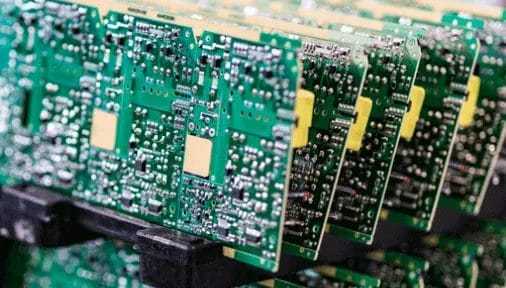
PCBA: 電子機器調達およびエンジニアリング チーム向けの究極のガイド
2025-04-01
5780
プリント回路基板アセンブリ (PCBA) は、電子部品をプリント回路基板 (PCB) に取り付けて機能的な電子デバイスを作成するプロセスです。この重要な段階は設計と製造を結び、むき出しの基板を現代の消費者向け電子機器を動かすシステムに変えます。調達チームとエンジニアリング チームにとって、PCBA を理解することは、コスト効率の高い調達と信頼性の高い製品パフォーマンスを保証します。このプロセスでは、表面実装技術 (SMT) やスルーホール アセンブリなどの技術を使用して、抵抗器、コンデンサ、IC などの部品を PCB にはんだ付けします。
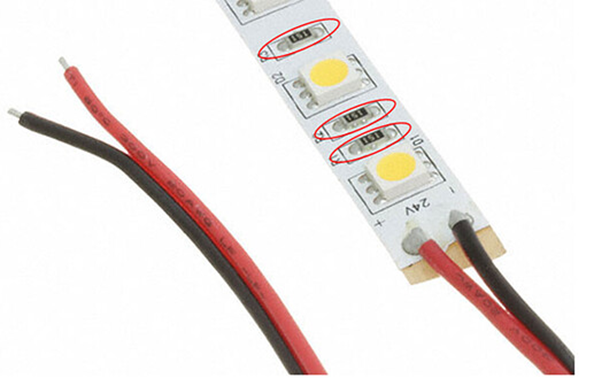
LED 照明の設置: 定電流 LED ドライバと定電圧 LED ドライバのどちらを選択する必要がありますか?
2025-03-18
4353
この記事では、LED照明の駆動方式として、定電流駆動方式と定電圧駆動方式の2種類について解説します。どちらを選択するかは、用途の要件によって異なります。定電流駆動方式は大規模な用途に適しており、定電圧駆動方式は、LEDの数を柔軟に調整する必要があるコスト重視の用途に最適です。
マイクセンサーはどのように機能しますか?
2025-03-18
3946
この記事では、マイクロフォン センサーの動作原理と、現代のテクノロジーにおける幅広い用途について紹介します。マイクロフォンは、電磁気、静電容量、MEMS、圧電方式などの変換メカニズムを利用して信号変換を行い、ダイヤフラムの振動を通じて音響エネルギーを電気エネルギーに変換します。出力信号は、プリアンプと信号調整によって最適化されます。
Wi-Fi 7 周波数制御: これら XNUMX つのコンポーネントが重要です。
2025-03-18
4217
この記事では、Wi-Fi 7 テクノロジーと周波数制御の重要性について詳しく説明し、自動周波数調整 (AFC)、マルチリンク操作 (MLO)、4K 直交振幅変調 (4K QAM) などのテクノロジーが Wi-Fi 7 のパフォーマンスをさらに強化する方法について説明します。
スイッチングレギュレータの選び方 スイッチングレギュレータの一般的な種類、特性、選定ガイドライン
2025-03-12
3985
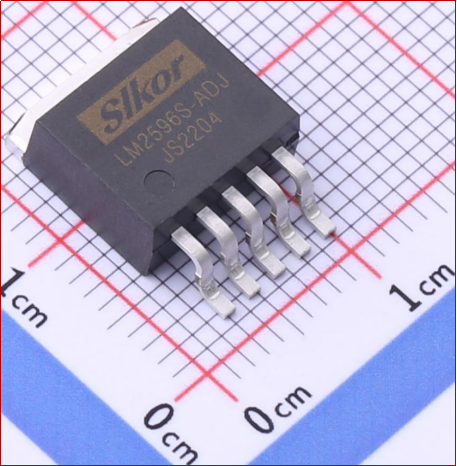
この記事では、電子システム設計におけるスイッチングレギュレータの重要性とアプリケーションの利点について説明し、さまざまなタイプのスイッチングコンバータを紹介し、リニアレギュレータとスイッチングモード電源(SMPS)の違いを比較します。さらに、この記事では、複数のスイッチングレギュレータ製品に関する詳細な情報を提供します。 SLKOR 高効率、小型、低スタンバイ電流を特徴とする半導体。この記事では、現代の電子機器設計における高効率で小型化された電力変換の重要性についても強調しています。
耐久年数はリレーの寿命を表すことができますか?
2025-03-07
3844
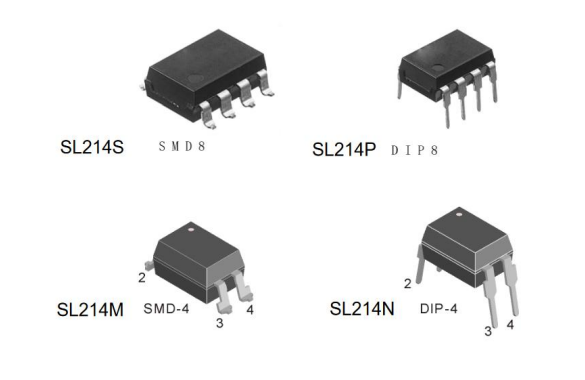
リレーの故障までの期間や寿命は、負荷、スイッチング周波数、動作環境などの要因によって変化するため、耐久性の年数を特定することはできません。
一般的なオペアンプはさまざまな回路で重要な役割を果たします
2024-12-18
3803
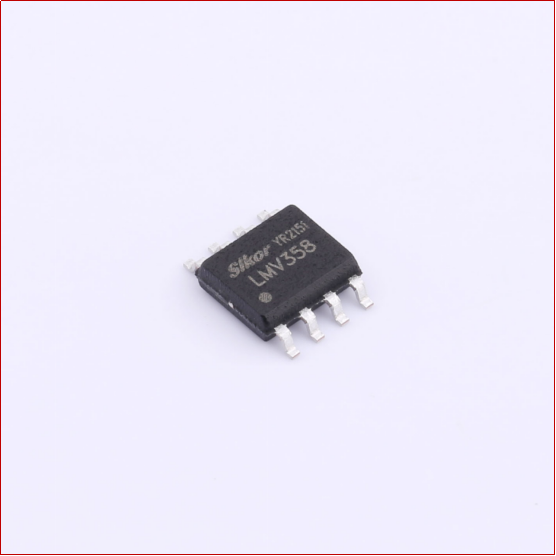
汎用オペアンプは、現代の民生用電子機器で最も重要なコンポーネントの 1 つであり、オーディオ処理から信号増幅まで、さまざまなアプリケーションで広く使用されています。民生用電子機器会社の調達およびエンジニアリング チームにとって、汎用オペアンプの特性、役割、およびアプリケーションを理解することは非常に重要です。この記事では、汎用オペアンプの開発の歴史から現代のアプリケーション、この分野のトップ メーカーまで、汎用オペアンプのあらゆる側面について説明します。
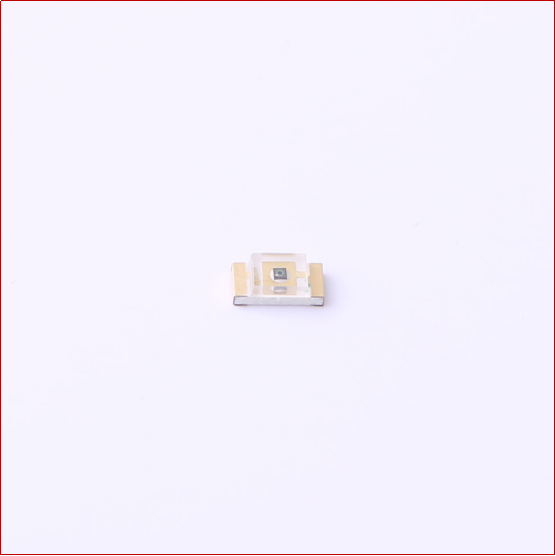
フォトダイオードの主要メーカー
2024-12-17
3729
フォトダイオードは、さまざまな電子機器に不可欠なコンポーネントです。調達部門でもエンジニアリング部門でも、電子システムの設計と統合を成功させるには、フォトダイオードの原理、特性、用途を理解することが不可欠です。この記事では、フォトダイオードの基本的な動作から現代の電子機器での役割まで、知っておくべきすべてのことを説明します。
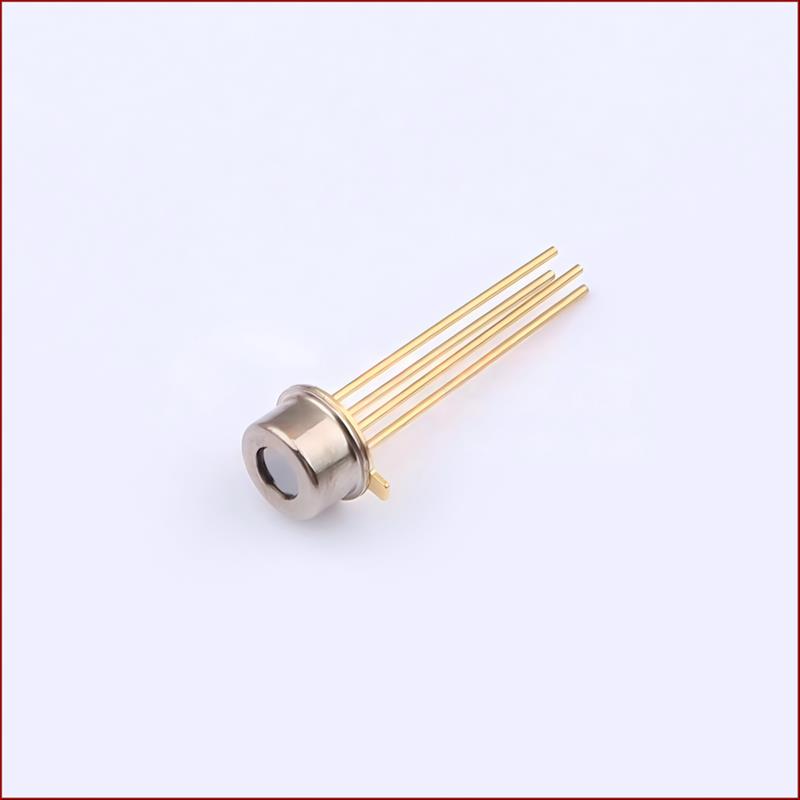
電子機器における温度センサーの役割
2024-12-11
3632
温度センサーは、現代の電子機器、特に民生用電子機器の機能に重要な役割を果たしています。これらのセンサーは、スマートフォンから家電製品まで、さまざまな用途で広く使用されており、温度変化を監視して適切な動作を確保しています。この記事では、温度センサーの開発、特性、パラメーター、用途など、温度センサーに関するあらゆることを説明します。消費者向け電子機器企業の調達チームとエンジニアリング チームが情報に基づいた意思決定を行うには、温度センサーのさまざまな側面を理解することが不可欠です。
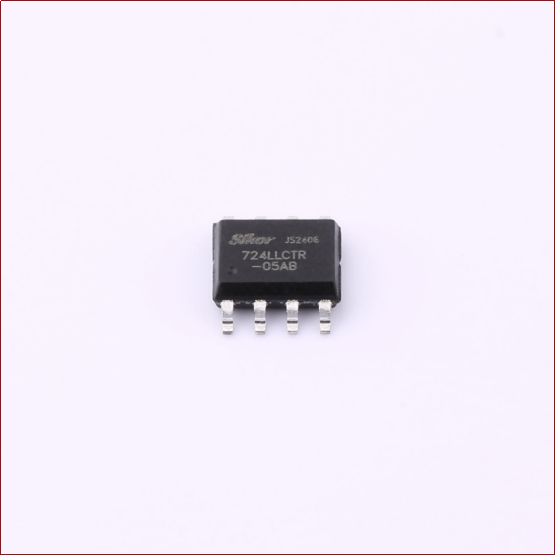
電流センサーは過電流から回路を保護するために不可欠です
2024-12-07
3863
電流センサーは、回路内の電流の流れを検出して測定するために設計された重要な電子部品です。回路を流れる電流を、マイクロコントローラまたは処理システムで読み取り、解釈できる比例電気信号に変換します。電流センサーは、電力監視、保護システム、エネルギー効率の高い設計など、幅広い用途で使用されています。自動車、家庭用電化製品、産業機械などの業界では、電気システムの安全で効率的な動作を保証するために不可欠です。
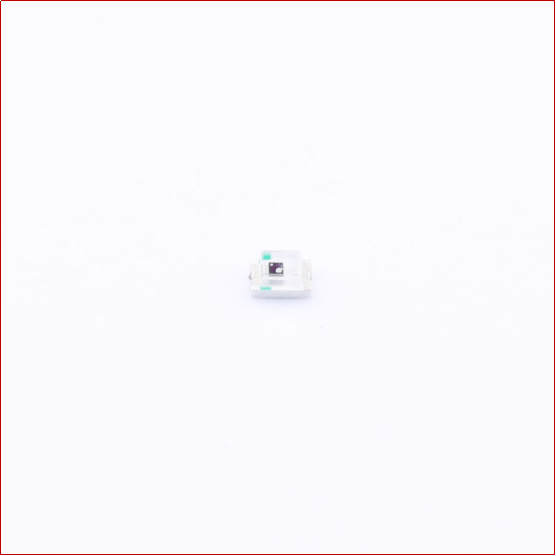
周囲光センサーは現代の電子システムにおいていくつかの重要な役割を果たしている。
2024-12-07
3791
周囲光センサーは、周囲の光レベルを測定するために電子機器で使用される重要なコンポーネントです。周囲光の強度を検出することで、ディスプレイの明るさやその他の設定を調整し、ユーザーエクスペリエンスとエネルギー効率を向上させることができます。センサーは光を電気信号に変換することで機能し、電子システムで処理して画面の明るさや電源モードを調整できます。このセンサーは、家電製品、自動車アプリケーション、さらにはスマートホームで広く使用されており、デバイスの機能とユーザーの快適性を向上させます。
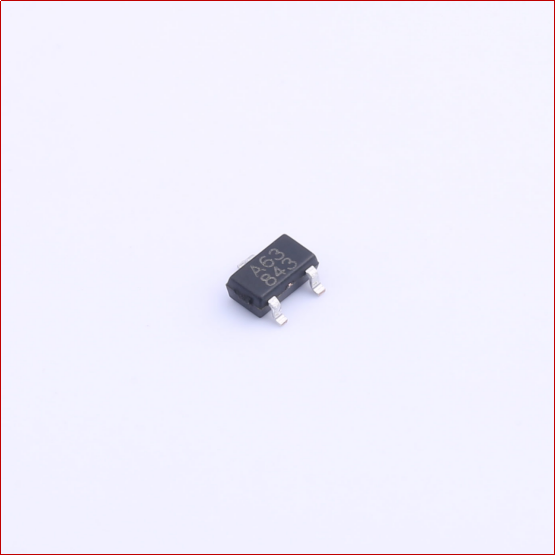
ホール効果センサーの紹介
2024-12-06
3752
ホール効果センサーは、さまざまな産業および消費者向けアプリケーションで重要な役割を果たす重要な電子部品です。本質的には、磁場の存在を感知し、この物理現象を測定可能な電気信号に変換するトランスデューサーの一種です。このセンサーは、1879 年に物理学者エドウィン ホールによって発見されたホール効果に基づいて動作します。電流を流す導体に磁場が加えられると、導体全体に電流と磁場の両方に垂直な電圧が誘導されます。この電圧をホール効果センサーが検出して処理します。
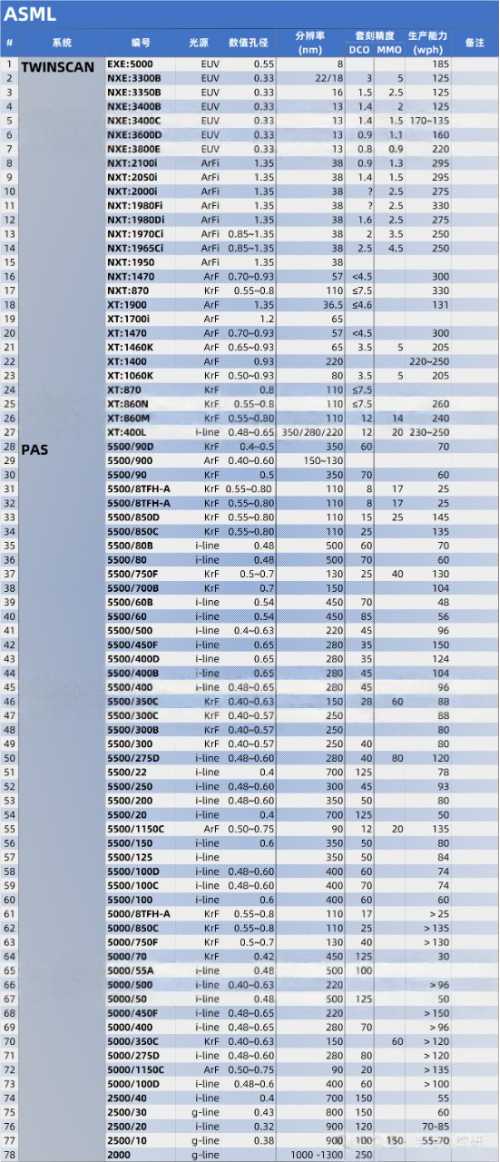
ASML、NIKON、CANONの3大露光装置モデルの一覧。
2024-10-31
3642
すべての半導体装置の中で、リソグラフィー装置は確かに最も話題になっているカテゴリーです。以前、ASML、NIKON、CANONが現在販売しているリソグラフィー装置のモデルを各社の公式サイトからダウンロードして収録し、皆様の参考のために表にまとめました。読者のフィードバックは良好で、さらに多くの業界リーダーが記事を書く際に私のデータを引用し、私の公式アカウントに大量のアクセスをもたらしました。もちろん、装置取引の専門家も私に思い出させてくれました。実は、この185社がこれまでに発売したリソグラフィー装置のモデルの数は、これらをはるかに上回っています。ただ、一部のモデルは古すぎて、元の工場が長い間販売を中止しているため、関連情報は公式サイトでは見つかりません。ただし、市場に出回っているこれらの装置は、依然として中古品として取引され、使用されています。現在、収集されたXNUMX社のマシンモデルの数は合計XNUMXで、基本的に市場に出回っているXNUMX社のリソグラフィー装置のモデルのほとんどをカバーしています。
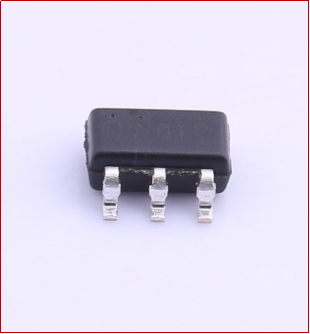
バッテリー管理は、バッテリー駆動デバイスの効率と寿命を確保する上で重要な役割を果たします。
2024-08-29
3764
民生用電子機器の分野では、バッテリー管理はバッテリー駆動デバイスの効率と寿命を確保する上で重要な役割を果たします。この記事では、バッテリー管理の基本について詳しく説明し、調達チームとエンジニアリング チームに効果的な実装と最適化に必要な詳細な知識を提供します。
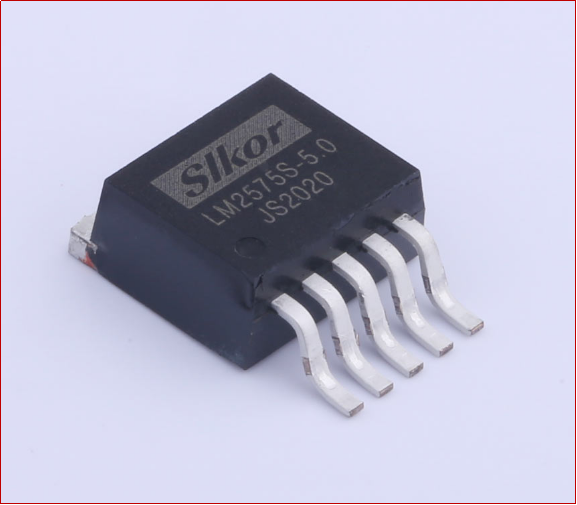
DC-DCレギュレータは、効率的な電力管理と安定性を保証する現代の電子システムの重要なコンポーネントです。
2024-08-29
3478
DC-DC レギュレータは、現代の電子システムにおいて、効率的な電力管理と安定性を確保する重要なコンポーネントです。この記事では、DC-DC レギュレータの定義、歴史的発展、主な特徴、パラメータ、役割、用途、および著名なメーカーについて、包括的な概要を説明します。これらの側面を理解することは、家電製品のメーカーの調達およびエンジニアリング チームにとって不可欠です。





 粤公网安备44030002007346号