
























Service Hotline
News

News
The Chaoshan Business Community in Huaqiangbei’s Industrial Ecosystem
2026-11-20
225
Shenzhen is a young city built by migrants and a remarkable achievement of China's reform and opening-up. The slogan “You are a Shenzhener as soon as you arrive” reflects the city's openness, inclusiveness, and multicultural character.
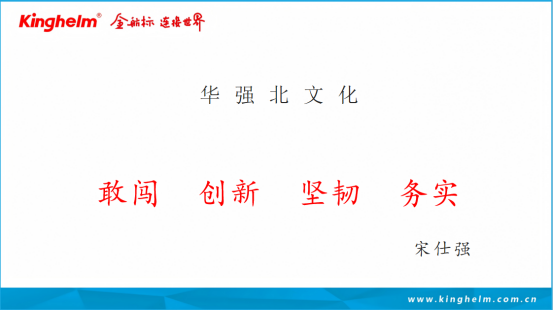
Nurtured by the thriving information technology industry in the Pearl River Delta, Huaqiangbei has created an economic miracle and fostered what Mr. Song Shiqiang describes as the “Huaqiangbei Spirit”: boldness, innovation, resilience, and pragmatism.
Among the many business communities from different parts of China that make up Huaqiangbei's electronics industry chain, the Chaoshan business community stands out for its distinctive characteristics. Above all, its members are known for their entrepreneurial courage and willingness to take risks. Many started out in component trading, wholesale distribution, or digital accessories sales, bringing not only their business practices but also their food culture and local customs to Huaqiangbei.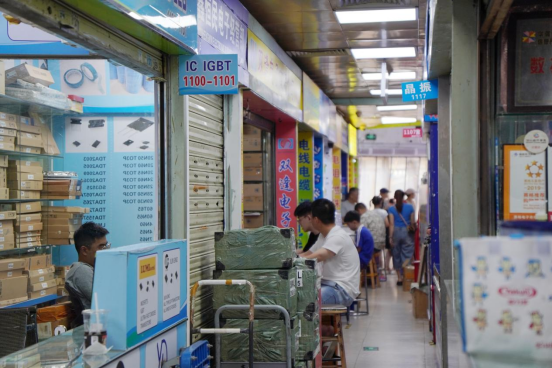
In the popular imagination, people from Chaoshan are known for their business acumen. This reputation is closely connected to their historical traditions. In the past, the Chaoshan region had limited land and a relatively large population, creating considerable economic pressure. Many people had to leave their hometowns to make a living, often starting with small businesses. Years of hard work and challenges cultivated their perseverance, resilience, and ability to withstand pressure. Over time, they also developed a business culture that places great importance on family ties, hometown connections, and personal credibility.
There is even a popular saying about the “Four Dreams of Chaoshan Men”:
Making a fortune: The Chaoshan spirit of working hard and daring to compete is seen as the foundation of building a career and supporting a family.
Building a grand home: For many Chaoshan people, the family home represents their roots, as well as their success and family pride.
Marrying a virtuous wife: A capable and supportive wife is traditionally regarded as an important source of support for the family and her husband's career.
Having a son: This reflects the traditional agricultural society's emphasis on continuing the family lineage.
These cultural values helped shape the early business models of Huaqiangbei and laid the groundwork for its distinctive form of social organization, often described as a self-organizing system.
Following China's reform and opening-up, Shenzhen attracted large numbers of people seeking business and employment opportunities, thanks to its geographical advantages, supportive policies, and well-developed industrial chains. The entry of many entrepreneurs into the electronic components industry was closely connected to the trade and population exchanges between the Chaoshan region and overseas markets during the early years of reform and opening-up.
Today, traces of Huaqiangbei's early business model can still be found in places such as Chendian Town and Guiyu Town. Many entrepreneurs transferred their businesses from these areas to Huaqiangbei, where they expanded and developed them further.
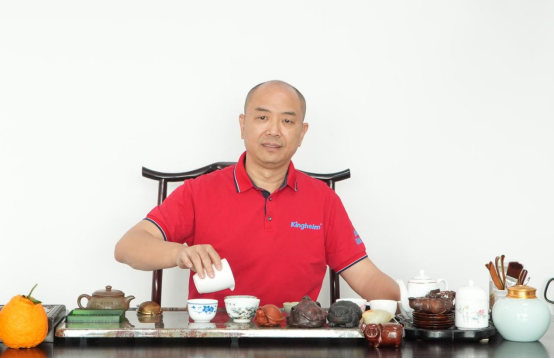
The tea table in Mr. Song Shiqiang's office at Slkor.
Many Chaoshan merchants started their businesses with street stalls, small retail counters, or wholesale operations. As their businesses grew in Huaqiangbei, they benefited greatly from its concentration of specialized markets, frequent transactions, and rapid flow of information. This business environment was particularly well suited to their flexible and fast-moving operating models.
Chaoshan merchants in Huaqiangbei generally share several distinctive characteristics.
First, they maintain close cooperation within families and hometown networks. Relatives help relatives, and fellow townspeople support one another, allowing business information to circulate quickly.
Second, they are bold, hardworking, and willing to seize opportunities. They can adapt well to Huaqiangbei's fast-paced and highly competitive business environment.
Third, they have a keen sense of the market. They quickly identify which products are selling well and which components are in short supply.
Fourth, they value reputation and integrity. Many maintain business relationships with customers over many years, while personal referrals and trusted connections often help bring deals to a successful conclusion.
This network of personal relationships also fits naturally with Huaqiangbei's business culture. Deals are not always made in conference rooms. Many are negotiated and finalized at retail counters, around tea tables, or over meals.
People from Chaoshan have a strong tradition of tea drinking, and many business discussions take place over traditional Gongfu tea. Today, even business owners from other regions who operate in Huaqiangbei often keep a Gongfu tea set in their offices. This is a clear reflection of the influence of Chaoshan culture.
According to preliminary registration data from Huaqiang Electronic Network, more than 1,000 Chaoshan merchants have registered accounts on its platform to conduct business, making them the largest regional business group represented there.
However, there are currently no authoritative public statistics on the total number of Chaoshan merchants operating throughout the Huaqiangbei business district, making it difficult to establish an accurate proportion of this group. Nevertheless, industry interviews, market observations, and the distribution of local restaurants all offer indirect evidence of their strong presence in the area.
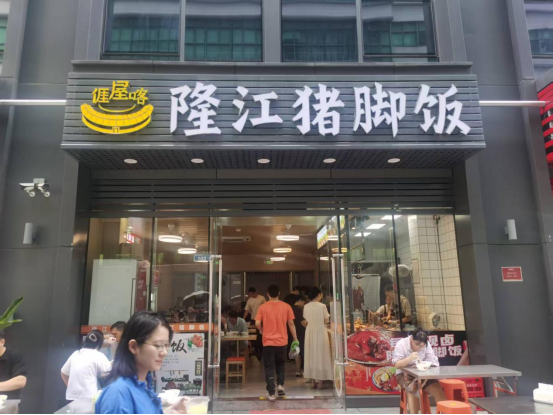
Walking around Huaqiangbei, it is common to hear the Chaoshan dialect and find numerous Chaoshan-style restaurants along the streets. Popular local food businesses include Damu Chaoshan Beef, Longjiang Braised Pork Rice, Chaoshan-style clay pot porridge, and raw marinated seafood.
Although these food businesses may seem unrelated to the electronics industry, they are all part of the broader commercial ecosystem that makes Huaqiangbei unique.
Interviews conducted by Slkor Semiconductor have also featured numerous entrepreneurs from Chaoshan, including Li Shibao of Hongbotong Technology, Lin Zhenchuan of Huachuangtai Electronics, Ma Aier of Dingxin Electronics, and Zheng Hongxin of Hengjiasheng.
Some business owners have taken their companies further up the electronic components value chain after accumulating sufficient capital and technical expertise.
For example, Zhu Guifeng of Jincheng Micro, the Ke brothers of Kexin Electronics, Chen Guobin of Heketai, and Ma Yijun of Chendahang MDD have established and operated semiconductor packaging and testing facilities.
Chen Haisheng of Meilong has developed the “Sup” capacitor brand, while Wu Di has invested in the establishment of the Huacheng Resistor factory.
These entrepreneurs have all achieved considerable success in their respective fields.
Female entrepreneurs from Chaoshan are equally ambitious and business-savvy. Many have built successful businesses and become an important driving force within Huaqiangbei's business community.
The Huaqiangbei Spirit: Boldness, Innovation, Resilience, and Pragmatism — Song Shiqiang.
Note: The data and information in this article are based on authoritative reports and reference materials. If you believe any content infringes upon your rights or contains inaccurate information, please contact us.
Related Recommendations




 粤公网安备44030002007346号